

By Dr. Jens Thraenhart (May 2024)
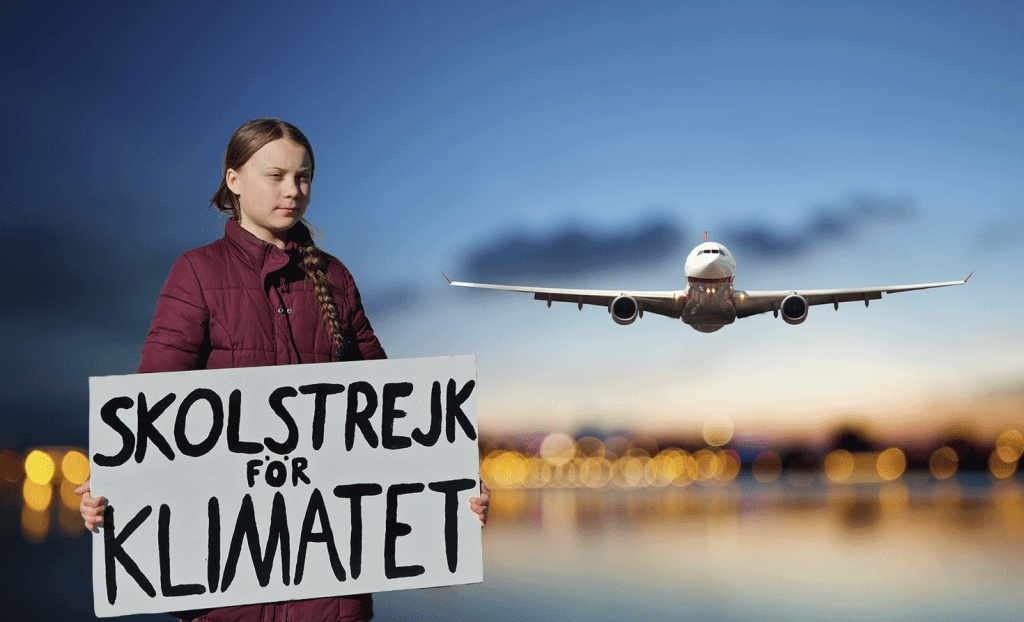
The tourism industry stands at a crossroads, confronted by the escalating climate crisis and the burgeoning flight shaming movement. The rise of the “flight shaming” movement (or “flygskam” as termed in Sweden) has put a spotlight on the environmental impact of air travel. This growing social pressure encourages people to reduce flights due to their significant carbon emissions, a major factor in climate change. Though well-intentioned, the movement presents complex challenges for the tourism industry, requiring a nuanced and balanced approach.
In order to create strategies to react, organization need to understand the nuances of flight shaming, the varied impacts on short versus long-haul travel, and outlines strategies for fostering responsible tourism that enhances economic value while safeguarding our planet. We are now witnessing various tourism boards, mostly in Europe, discouraging the investment in long-haul source markets, while some governments are starting to discourage long-haul travel for their citizens in favor of short-haul destinations – in particular beach destinations.
However, the impact of flight shaming is not uniform across all types of travel. Short-haul journeys, particularly in regions with well-developed alternative transportation networks, present more viable opportunities for change. In contrast, long-haul travel, especially to remote destinations or island nations, poses unique challenges that require a more nuanced approach (Scott et al., 2019).
The Essence of Flight Shaming
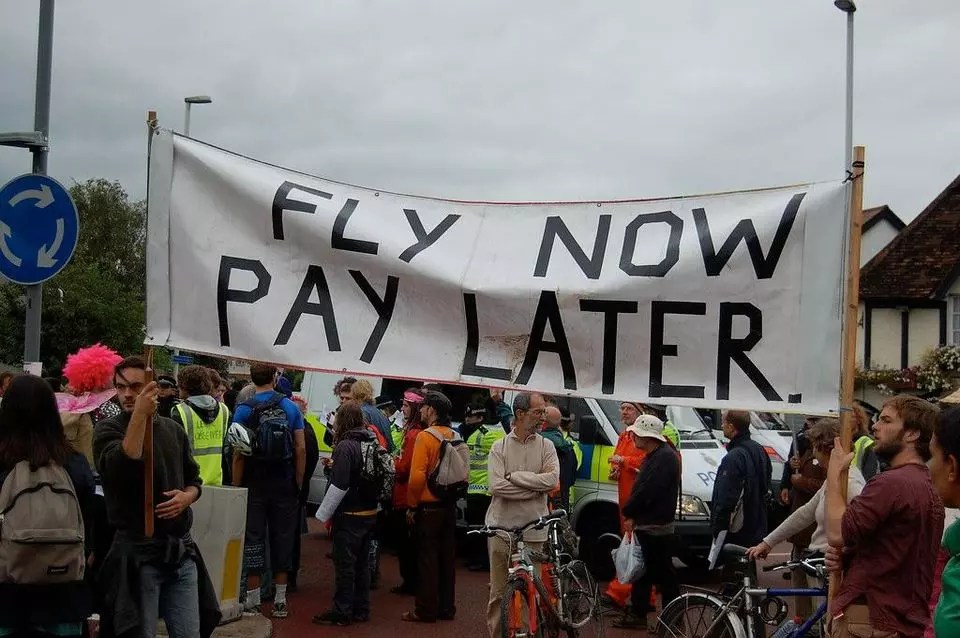
At its core, flight shaming is a call to environmental action, spotlighting the substantial carbon footprint of air travel. As the urgency of climate change intensifies, so does the scrutiny over the aviation industry, which is responsible for a significant portion of global greenhouse gas emissions (Gössling et al., 2020). Flight shaming serves as both a social and moral compass, guiding individuals and the industry towards more sustainable travel choices. Individuals who frequently fly, especially for leisure, may be targeted for contributing to a major source of pollution. While the movement has raised awareness of air travel’s impact, it can also lead to guilt and create an us-vs-them mentality, potentially hindering productive dialogue around sustainable solutions.
Short-Haul vs. Long-Haul: The Dichotomy of Travel Distances and Nuances of Impact

The impact of flight shaming is profoundly influenced by the nature of the journey—distinguishing between the feasibility of alternative travel options for short distances versus the complexities of reaching long-haul destinations. The flight shaming debate often calls for alternatives like trains for short-haul travel. This is indeed a viable solution in regions like Europe with well-developed rail networks. However, the picture is more complex for long-haul journeys. Destinations that rely heavily on visitors arriving by air, particularly island nations, face unique challenges. A blanket condemnation of flying risks disproportionately harming economies dependent on tourism while offering few immediate alternatives.
Short-Distance Travel:
Short-haul journeys present a viable battleground for flight shaming, where alternatives like trains, buses, and car-sharing offer practical, eco-friendly substitutes. In regions with developed rail networks, such as Europe, trains have emerged as a popular choice, combining efficiency, comfort, and a lower environmental impact. This shift is testament to a growing preference for sustainable mobility over the convenience of short flights (Baumeister, 2019).
Long-Distance Travel:
The narrative shifts when considering destinations that necessitate air travel, such as remote islands or continents where distances are vast. Here, the ethos of flight shaming grapples with the reality of geographical constraints and economic dependencies on tourism. For these locales, the absence of viable alternatives to flying poses a challenge, making the discourse on reducing air travel more nuanced (Higham et al., 2019).
Take Barbados in the Caribbean as an example: With the UK as the primary source market, flight shaming could pose a significant risk if British consumers are shamed when considering to fly to long-haul beach destinations, and instead opt to vacation at beaches within Europe.
Charting a Course for Responsible Tourism

In response to flight shaming, the tourism industry can steer towards a sustainable future by adopting a holistic approach that encompasses several strategies:
- Innovative Aviation Technologies:
Supporting advancements in sustainable aviation, including fuel-efficient aircraft and alternative fuels, is critical to reducing the carbon footprint of indispensable air travel (Schäfer et al., 2019). - Highlight Sustainable Airlines and Carbon Offsetting:
Support airlines investing in fuel-efficient aircraft and biofuels. Promote the option to offset carbon emissions from flights through verified programs that fund reforestation or renewable energy projects (Ritchie et al., 2020). - Encouraging Off-Peak and Local Tourism:
Promoting travel to less frequented destinations and during off-peak seasons can alleviate pressure on over-visited sites and distribute economic benefits more evenly (Dodds & Butler, 2019). - Promote Longer Stays:
Encourage travelers to opt for extended trips to a single destination rather than multiple short getaways. This reduces the frequency of flights and allows for deeper, more sustainable engagement with local communities. - Investment in Sustainable Infrastructure:
Partner with governments to develop low-emission transportation, incentivizing eco-friendly accommodations, and sustainable waste management systems, which can significantly enhance the sustainability of tourism (Gössling et al., 2021). - Showcase Ground Transportation Alternatives:
Where train travel is efficient and comfortable, market it prominently in place of short-haul flights. - Prioritize Local Experiences:
Encourage travelers to explore local attractions, support small businesses, and immerse themselves in the culture. This lessens travel footprints while benefiting local economies. - Carbon Offsetting Programs:
While a temporary measure, carbon offsetting can contribute to global reforestation and renewable energy projects, partially counterbalancing the emissions from air travel. - Education and Awareness:
Informing travelers about the environmental impacts of their choices is essential for cultivating a culture of conscious, sustainable travel (Font & McCabe, 2017). - Policy Support:
Governments and international bodies can play a pivotal role by enacting policies that favor sustainable tourism practices and reduce the industry’s carbon footprint.
Case Studies
Several governments and destinations have taken proactive measures in response to the flight shaming movement, implementing policies aimed at reducing the environmental impact of travel. These case studies exemplify the diverse approaches taken to address the concerns raised by flight shaming, ranging from banning short-haul flights where train alternatives exist, to rethinking marketing strategies that prioritize sustainability.
Sweden: The Birthplace of Flight Shaming
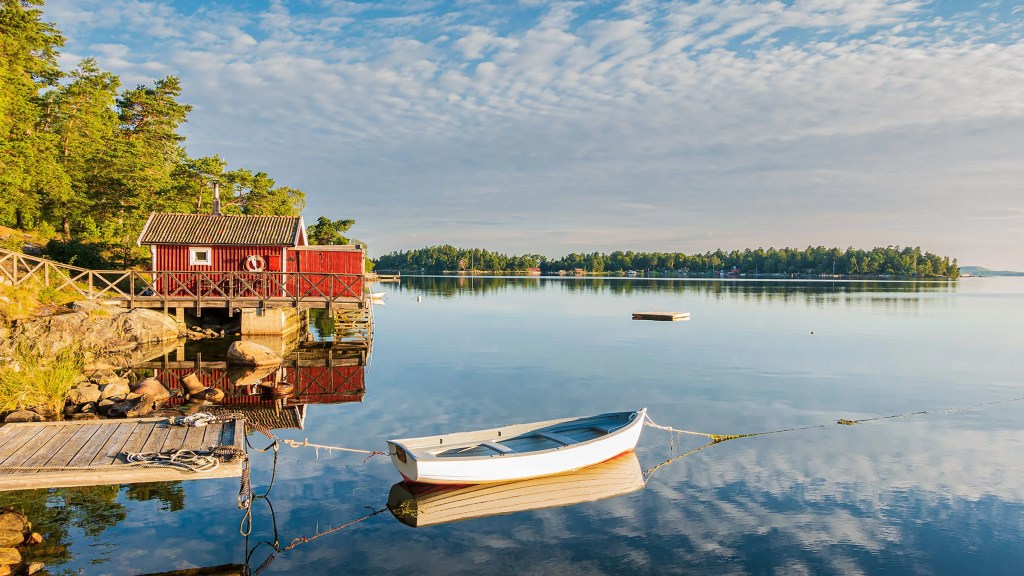
Sweden, where the flight shaming movement (Flygskam) originated, has seen a significant shift in travel behaviors, with a noticeable increase in train travel and a decrease in domestic flights. The Swedish government has invested in enhancing rail infrastructure, making train travel more accessible and convenient (Mkono et al., 2020). Additionally, Swedavia, which operates 10 Swedish airports, has committed to becoming carbon neutral and is working towards having all of Sweden’s domestic flights fossil fuel-free by 2030. This approach aligns with the goals of the flight shaming movement, encouraging alternatives to flying and reducing the environmental impact of necessary air travel.
France: Banning Short-Haul Flights

In a landmark decision, France has legislated to ban short-haul domestic flights on routes that can be covered by train in under two and a half hours, as part of a broader climate bill aimed at cutting carbon emissions within France (Gössling & Humpe, 2020). This move, directly influenced by environmental considerations and the flight shaming movement, seeks to shift travelers from air to rail, leveraging France’s extensive high-speed rail network. The policy reflects a commitment to sustainable transportation, aiming to reduce the carbon footprint of domestic travel.
The Netherlands: Advocating for a European Flight Tax
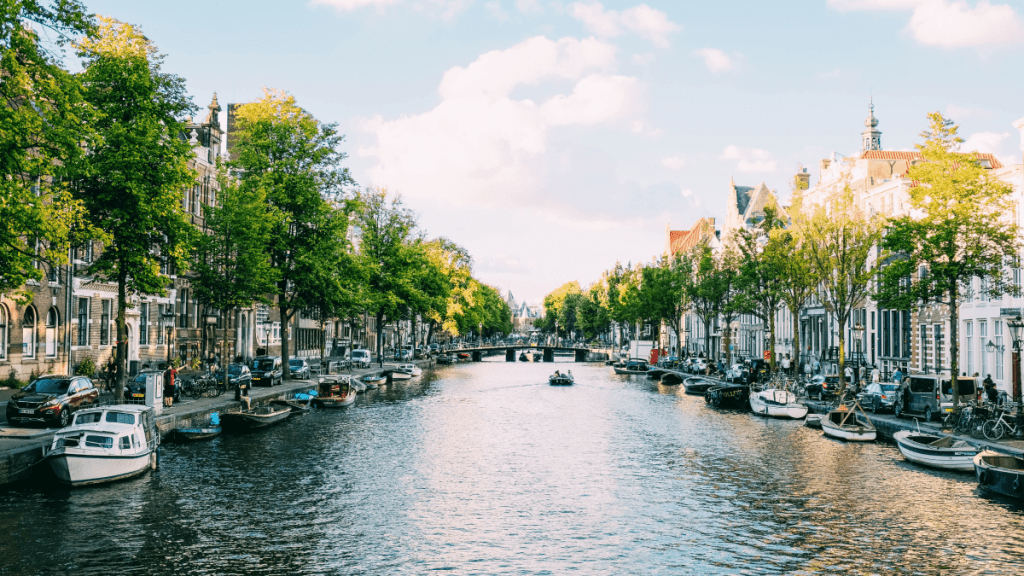
The Dutch government has been a vocal advocate for the implementation of a Europe-wide tax on air travel, aiming to discourage unnecessary flights and reduce aviation’s carbon emissions (Larsson et al., 2019). The Netherlands has also proposed taxes on air tickets and kerosene fuel to the European Union, pushing for collective action to address the environmental impact of flying. This initiative reflects a recognition of the need for systemic changes to make air travel more sustainable and is indicative of a broader shift towards environmental accountability in the aviation sector.
New Zealand: Focusing on High-value Tourism

In response to both the COVID-19 pandemic and the increasing awareness of environmental sustainability, New Zealand has indicated a shift in its tourism strategy to focus on attracting high-value travelers rather than high volumes of tourists (Higham & Font, 2020). This strategy aims to reduce the environmental impact of tourism, including the carbon footprint of long-haul flights, by promoting longer stays, deeper cultural exchanges, and more significant economic contributions per visitor. While not explicitly a response to flight shaming, this approach aligns with the movement’s goals by prioritizing sustainable travel practices and minimizing ecological impacts.

This approach directly linked to our efforts to assist travel and tourism organizations from destinations, DMCs, hotels, attractions, and retail to rethink their tourism growth strategy to focus on high-yield travelers to increase profits and reduce leakages while balancing economic and social impacts for long-term resilience. Please see more information at High-Yield Tourism, and follow our podcast on Spotify and Apple Podcast, and join the conversation on our LinkedIn and Facebook groups.
Costa Rica: Pioneering Sustainable Tourism

Costa Rica has long been a pioneer in sustainable tourism, with policies that prioritize the preservation of its biodiverse ecosystems and promote eco-friendly travel experiences. The country has implemented a Certification for Sustainable Tourism (CST) program that evaluates businesses based on their environmental impact, community involvement, and cultural contributions (Honey, 2018). While not directly a response to flight shaming, Costa Rica’s comprehensive approach to sustainable tourism includes efforts to attract visitors who are conscious of their environmental footprint, potentially offsetting long-haul travel emissions by investing in conservation and community projects.
The Way Forward

The flight shaming movement presents both a challenge and an opportunity for the global tourism industry. It forces a reevaluation of how travel can be both economically beneficial and environmentally sustainable. Flight shaming has ignited a vital conversation on the environmental impacts of travel, challenging both consumers and the industry to reconsider their habits and policies.
By embracing innovations in sustainable travel, investing in alternative infrastructure, and promoting responsible travel practices, the industry can mitigate the impacts of climate change while fostering balanced tourism growth. As seen in the policies of forward-thinking nations, embracing sustainable tourism not only responds to the call for environmental responsibility but also paves the way for a resilient and future-proof travel industry. This balanced approach ensures the longevity of the industry while contributing to the global endeavor to combat climate change, paving the way for a more sustainable and equitable tourism landscape.
References
Baumeister, S. (2019). Replacing short-haul flights with land-based transportation modes to reduce greenhouse gas emissions: The case of Finland. Journal of Cleaner Production, 225, 262-269.
Dodds, R., & Butler, R. (2019). The phenomena of overtourism: A review. International Journal of Tourism Cities, 5(4), 519-528.
Font, X., & McCabe, S. (2017). Sustainability and marketing in tourism: Its contexts, paradoxes, approaches, challenges and potential. Journal of Sustainable Tourism, 25(7), 869-883.
Gössling, S., & Humpe, A. (2020). The global scale, distribution and growth of aviation: Implications for climate change. Global Environmental Change, 65, 102194.
Gössling, S., Humpe, A., & Bausch, T. (2020). Does ‘flight shame’ affect social norms? Changing perspectives on the desirability of air travel in Germany. Journal of Cleaner Production, 266, 122015.
Gössling, S., Scott, D., & Hall, C. M. (2021). Pandemics, tourism and global change: A rapid assessment of COVID-19. Journal of Sustainable Tourism, 29(1), 1-20.
Higham, J., & Font, X. (2020). Decarbonising academia: Confronting our climate hypocrisy. Journal of Sustainable Tourism, 28(1), 1-9.
Higham, J., Reis, A., & Cohen, S. A. (2019). Australian climate concern and the ‘attitude–behaviour gap’. Current Issues in Tourism, 22(5), 572-586.
Honey, M. (2018). Sustainable tourism: Principles, contexts and practices. Routledge.
Larsson, J., Kamb, A., Nässén, J., & Åkerman, J. (2019). Measuring greenhouse gas emissions from international air travel of a country’s residents methodological development and application for Sweden. Environmental Impact Assessment Review, 72, 137-144.
Mkono, M., Hughes, K., & Echentille, S. (2020). Hero or villain? Responses to Greta Thunberg’s activism and the implications for travel and tourism. Journal of Sustainable Tourism, 28(12), 2081-2098.
Ritchie, B. W., Sie, L., Gössling, S., & Dwyer, L. (2020). Effects of climate change policies on aviation carbon offsetting: A three-year panel study. Journal of Sustainable Tourism, 28(2), 337-360.
Schäfer, A. W., Barrett, S. R., Doyme, K., Dray, L. M., Gnadt, A. R., Self, R., … & Torija, A. J. (2019). Technological, economic and environmental prospects of all-electric aircraft. Nature Energy, 4(2), 160-166.
Scott, D., Hall, C. M., & Gössling, S. (2019). Global tourism vulnerability to climate change. Annals of Tourism Research, 77, 49-61.
About the Author
With over 30 years of global travel and tourism expertise, Dr. Jens Thraenhart is the Founding Partner of 25-year-old bespoke strategy consulting firm Chameleon Strategies, co-founder of High-Yield Tourism, the 2nd Vice Chair of the World Tourism Organization’s UN Tourism Affiliate Members, the former Chief Executive Officer of the Barbados Tourism Marketing, Inc. (Visit Barbados), the former Executive Director of the Mekong Tourism Coordinating Office, the founder of private-sector-led tourism marketing organization Destination Mekong, and former Board Member of the Caribbean Tourism Organization (CTO). Previously active in China, in 2009, he co-founded acclaimed marketing agency Dragon Trail and published the China Travel Trends books and website. Jens has also held leadership positions with Destination Canada and Fairmont Hotels & Resorts (now Accor). As founder of the Destination Film Forum, he is also a big proponent of the power of storytelling, having been recognized as one of the top 10 Most Influential Leaders in Travel in 2022 by Travel Vertical, ranking first in the category of Creativity and Brand Storytelling, and served on the Jury of the Cannes Lion International Film Awards. Other recognitions for his work include being one of the travel industry’s top 100 rising stars by Travel Agent Magazine in 2003, one of HSMAI’s 25 Most Extraordinary Sales and Marketing Minds in Hospitality and Travel in 2004 and 2005, one of the Top 20 Extraordinary Minds in European Travel and Hospitality in 2014, and honored as one of the Global Travel Heroes in 2021. He completed his Doctor in Tourism Management at The Hong Kong Polytechnic University and graduated from Cornell University with a Masters in Hospitality Management.
 BALANCED TOURISM
Leave a comment