
By Dr. Jens Thraenhart (June 2024)

Governments can improve destination management, increase tax revenues and promote sustainability. By embracing and encouraging off-peak travel, destinations can foster balanced and sustainable tourism growth, leading to enhanced experiences and long-term value for all stakeholders involved.
In the realm of global tourism, the concept of seasonal dispersion—spreading out tourist visits more evenly throughout the year—presents a compelling strategy for creating value for all stakeholders involved. Traditionally, the tourism industry has been characterized by peaks and troughs, with high seasons bringing in a flood of visitors and low seasons seeing a significant dip in tourist numbers. This cyclical nature of tourism has presented challenges for destinations, from overcrowded attractions and inflated prices during peak times to underutilization of resources and economic hardships in the off-season. However, by encouraging travel during the low season, destinations can drive more balanced tourism that benefits visitors, residents, businesses, and governments alike.
Benefits for Visitors

For travelers, the allure of low season travel is multifaceted. Firstly, visiting a destination outside of its peak season means fewer crowds, offering a more relaxed and enjoyable experience. Attractions that would otherwise be teeming with tourists become more accessible, allowing for deeper exploration and appreciation. Secondly, the cost of travel—including accommodations, flights, and activities—tends to be significantly lower during these periods. This affordability makes travel more accessible to a broader demographic and provides an opportunity for travelers to get more value for their money. Lastly, the low season often offers a more authentic experience. Without the distortion of mass tourism, visitors can engage more genuinely with the local culture, people, and everyday life, fostering a deeper connection to the destination.
Traveling during the shoulder or low seasons offers numerous advantages for visitors:
- Smaller Crowds: Fewer tourists make popular attractions more accessible, leading to shorter lines, less congestion, and a more enjoyable experience overall.
- Lower Prices: Hotels, airlines, and tour operators frequently offer discounts and promotions to attract travelers outside of peak times.
- Authenticity: The opportunity for authentic cultural experiences increases, as locals aren’t overwhelmed by an influx of tourists, allowing for more meaningful interactions.
Benefits for Residents
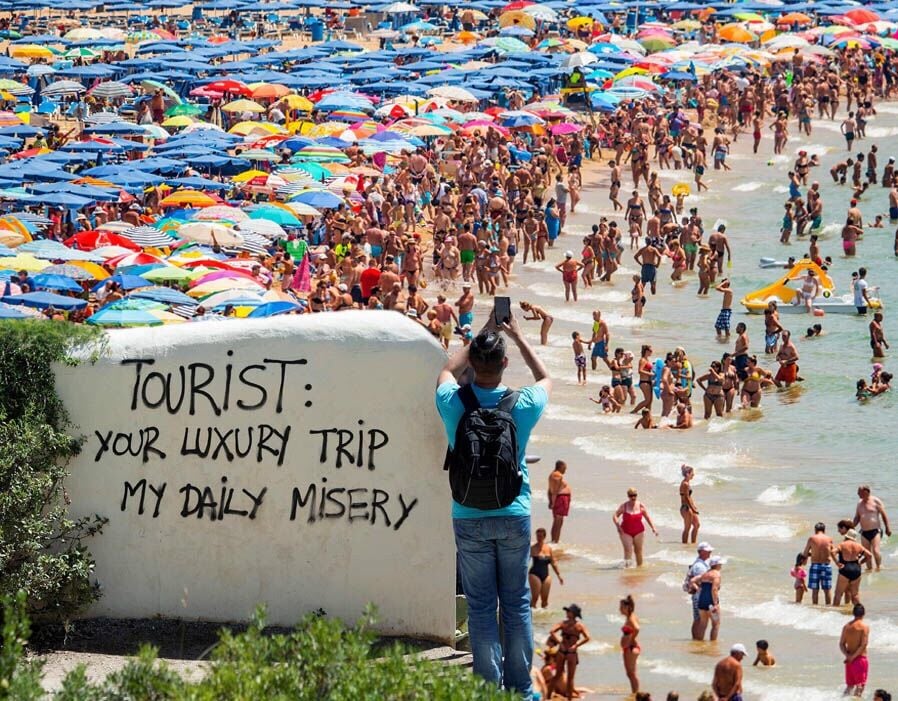
For the local population, the benefits of seasonal dispersion are equally profound. Reducing the intensity of peak season crowds can alleviate the strain on local infrastructure and the environment, leading to a more sustainable coexistence between residents and tourists. Moreover, a steady flow of visitors throughout the year can enhance the quality of life for locals by mitigating the boom-and-bust cycle that can strain local resources and services.
For residents in popular tourist destinations, off-season travel provides many positives:
- Reduced Crowding and Congestion: Lower visitor numbers alleviate pressure on public transportation, roads, and other infrastructure, making everyday life more comfortable for residents.
- Sustainable Economic Growth: Spreading tourism income throughout the year provides a steadier revenue source for local businesses, reducing reliance on short-lived peak seasons.
- Preservation of Local Character: Off-season travel promotes a healthier balance between tourism and local life, helping to maintain the destination’s authentic character and prevent over-tourism.
Benefits for Businesses
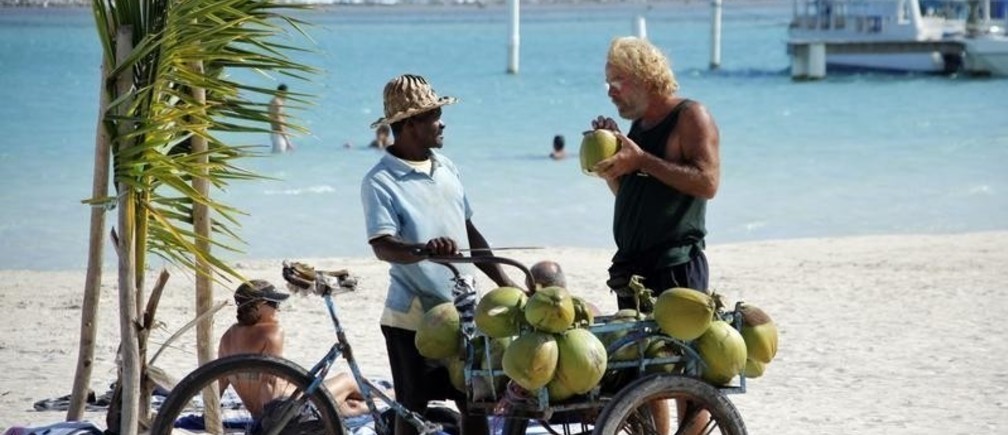
Businesses, particularly those in the tourism and hospitality sectors, stand to gain significantly from a more even spread of tourist visits. Seasonal dispersion can lead to more stable income streams, reducing the vulnerability to seasonal fluctuations and allowing for better financial planning and investment. This stability also enables businesses to offer year-round employment, contributing to a more stable local economy and reducing the need for temporary or seasonal staff, which can improve service quality and staff morale.
Businesses within the tourism industry can also reap the rewards of balanced tourism:
- Year-Round Employment: Seasonal dispersion can enable businesses to maintain steady staffing levels rather than relying on temporary or seasonal employment, leading to higher worker satisfaction and better training opportunities.
- Consistent Revenue: A sustained flow of customers helps businesses weather fluctuations in demand and allows for longer-term financial planning and investment.
- Reduced Operational Strain: Spreading visitors throughout the year can ease the burden on businesses’ facilities and staff, preventing burnout often associated with short, intense peak seasons.
Benefits for Governments and Tourism Boards

From a governance perspective, encouraging travel during the low season can aid in increasing tax revenues and air lift capacity utilization throughout the year. This approach can also play a crucial role in destination management, allowing for more sustainable tourism practices by preventing overuse of resources and reducing environmental degradation. By promoting low season travel, governments and tourism boards can work towards achieving a more balanced and sustainable tourism model that supports economic growth while preserving the destination’s natural and cultural assets.
Governments and tourism promotion organizations have a crucial role in encouraging balanced tourism:
- Strategic Marketing: Targeted marketing campaigns can showcase the unique attractions and experiences offered during off-peak seasons, drawing visitors towards less crowded periods. Use targeted digital marketing campaigns to showcase the unique aspects of low-season travel. Personalized marketing approaches using AI and data analytics can help identify high-yield tourist segments and tailor marketing messages to highlight the exclusivity and premium experiences available during the low season.
- Incentives for Tour Operators: Promoting partnerships with tour operators specializing in shoulder-season travel or offering incentives for developing low-season packages. Special commissions, discounts, or bonuses can motivate travel industry partners to sell packages that highlight the benefits of off-peak travel. For example, travel agencies could be offered exclusive deals or increased commission rates for promoting low-season packages to high-yield clients.
- Improved Infrastructure: Investments in transportation and accommodations aimed at supporting year-round travel and enhancing accessibility in less-visited areas.
- Collaboration with Businesses: Working with local businesses to ensure service availability and adapt their offers to better suit off-season visitors’ needs.
- Collaborate with Airlines and Transportation Providers: Partner with airlines to offer special low-season promotions, including discounted flights or upgraded services to entice high-yield tourists. An example of this is Icelandair’s stopover promotion, which successfully encourages travelers to visit Iceland during its quieter months. Similarly, tourism boards can work with local transport providers to offer bundled deals for high-yield travelers, including chauffeur services, private tours, and luxury ground transport.
Implementing Strategies for Seasonal Dispersion
Achieving balanced tourism through seasonal dispersion requires concerted efforts and strategic planning. Marketing campaigns that highlight the unique attractions and experiences available during the low season can help shift perceptions and stimulate interest. Developing special events, festivals, and promotions during these periods can also attract visitors. Additionally, collaboration between government, local businesses, and the community is essential to ensure that the infrastructure and services can accommodate visitors year-round without compromising the quality of life for residents.
In conclusion, low season travel and seasonal dispersion represent a strategic approach to achieving balanced tourism. By addressing the challenges of seasonality, destinations can create a more sustainable, equitable, and enjoyable tourism experience for visitors, enhance the quality of life for residents, provide stability for businesses, and support broader economic and environmental sustainability goals for governments and tourism boards. Embracing this model requires innovation, collaboration, and a commitment to reimagining the future of tourism.
Balancing tourism growth through seasonal dispersion requires innovative strategies to attract visitors during traditionally low periods, thereby ensuring a more even distribution of tourist arrivals throughout the year. Here are detailed case studies of destinations that have successfully leveraged the power of low-season travel to create value for all stakeholders.
1. Canary Islands, Spain
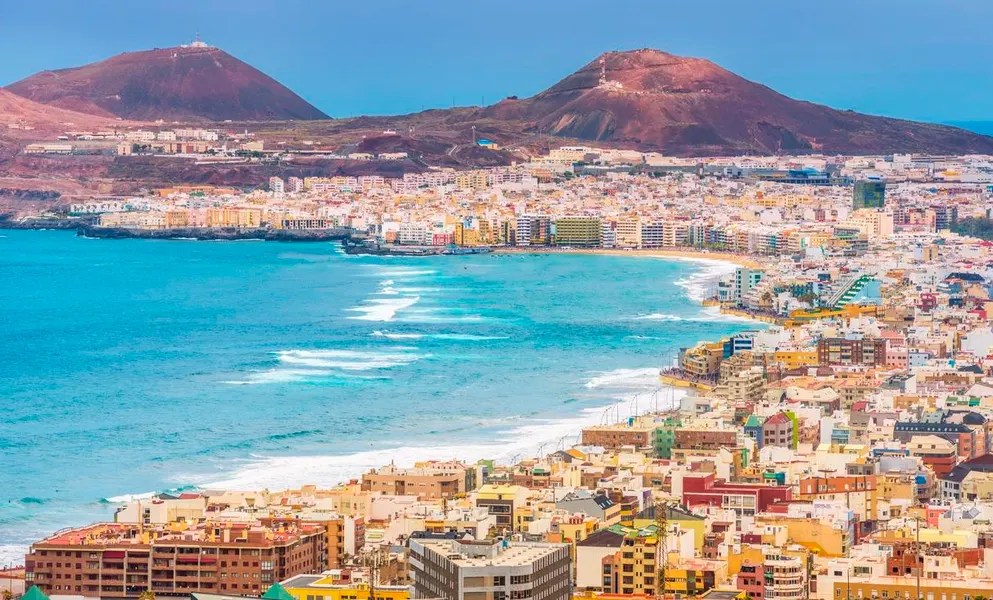
Background: The Canary Islands have long been a popular European holiday destination, known for their year-round mild climate. However, the islands faced the challenge of significant seasonality, with a high concentration of tourists during the European winter months.
Strategies:
- Diverse Marketing Campaigns: The Canary Islands Tourism Board launched marketing campaigns focusing on the archipelago’s diverse attractions beyond its beaches, such as hiking, star gazing, and cultural festivals, to attract visitors in the off-peak months.
- Event-Based Tourism: The introduction of events and festivals throughout the year, including music festivals and sports events, has been crucial in attracting visitors outside the traditional high season.
Outcomes:
- Increased Year-Round Tourism: These strategies have led to a more even distribution of tourist arrivals, reducing pressure on local infrastructure and resources during peak times and boosting the economy in the low season.
- Economic Stability for Businesses: Businesses have benefited from a more consistent flow of customers, allowing for stable employment and income.
2. Bali, Indonesia
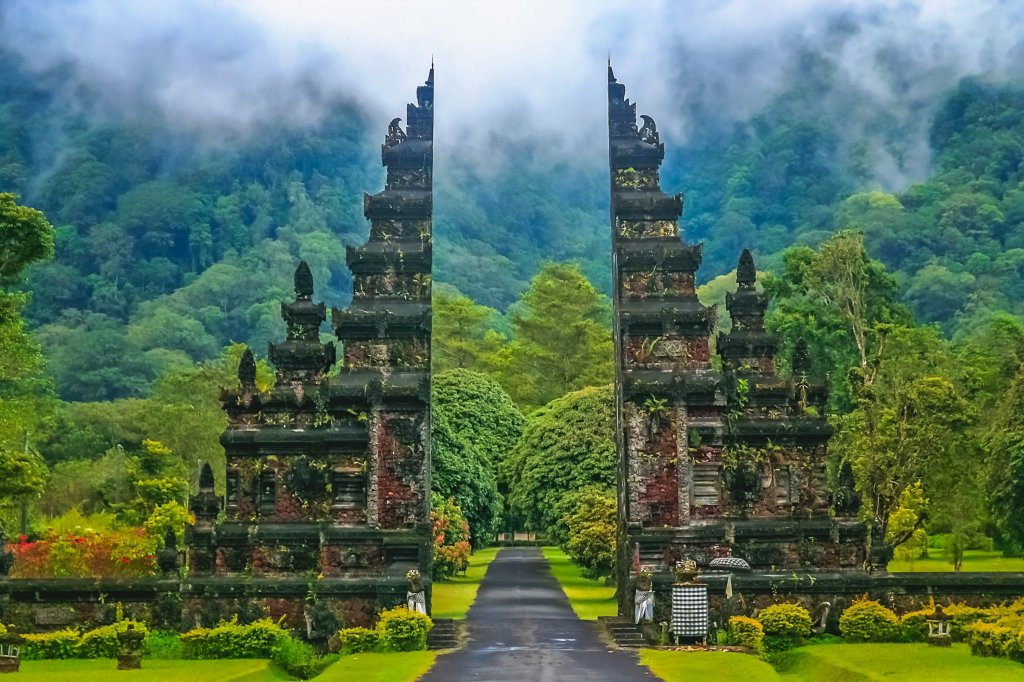
Background: Bali is a prime example of a destination that experienced overtourism during peak seasons while struggling to attract visitors during the rainy season.
Strategies:
- Promotion of Cultural Tourism: Bali began promoting its cultural heritage and ceremonies, which take place year-round, to attract tourists interested in authentic experiences.
- Development of All-Weather Attractions: The development of indoor attractions and the promotion of wellness tourism, including yoga retreats and spa experiences that are not weather-dependent, encouraged year-round visitation.
Outcomes:
- Enhanced Visitor Experience: Tourists benefit from a more authentic and less crowded experience, engaging more deeply with Balinese culture.
- Stabilized Local Economy: A steadier flow of tourists has contributed to economic stability and sustained employment in the tourism sector.
3. Quebec City, Canada
Strategies:
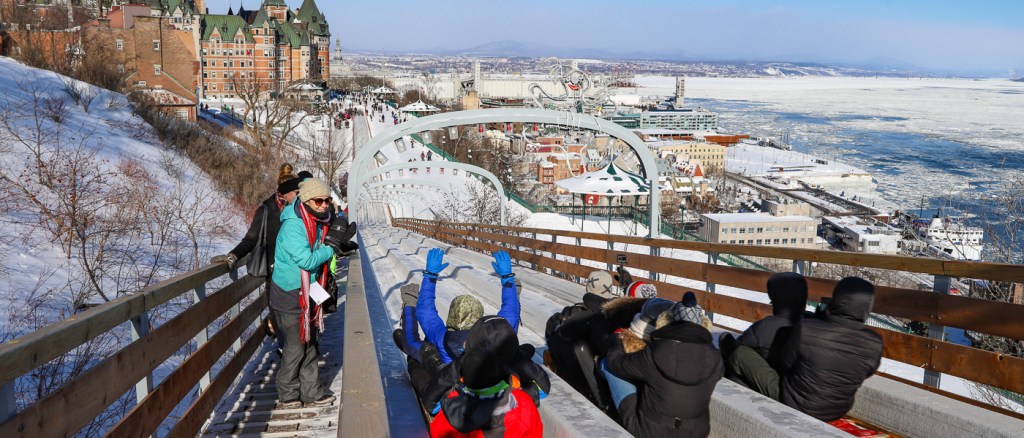
- Winter Festival: The city capitalized on its winter season by hosting the annual Quebec Winter Carnival, one of the world’s largest winter festivals, featuring snow sculptures, ice hotels, and winter sports.
- Winter Sports and Activities: Promoting unique winter experiences, such as dog sledding, ice fishing, and skiing in nearby resorts, has attracted adventure-seeking travelers.
Outcomes:
- Seasonal Visitor Increase: These initiatives have transformed the city into a popular winter destination, balancing the seasonal distribution of tourists.
- Economic and Social Benefits: The local community and businesses benefit from the increased visitor spending and employment opportunities generated by winter tourism.
4. Iceland
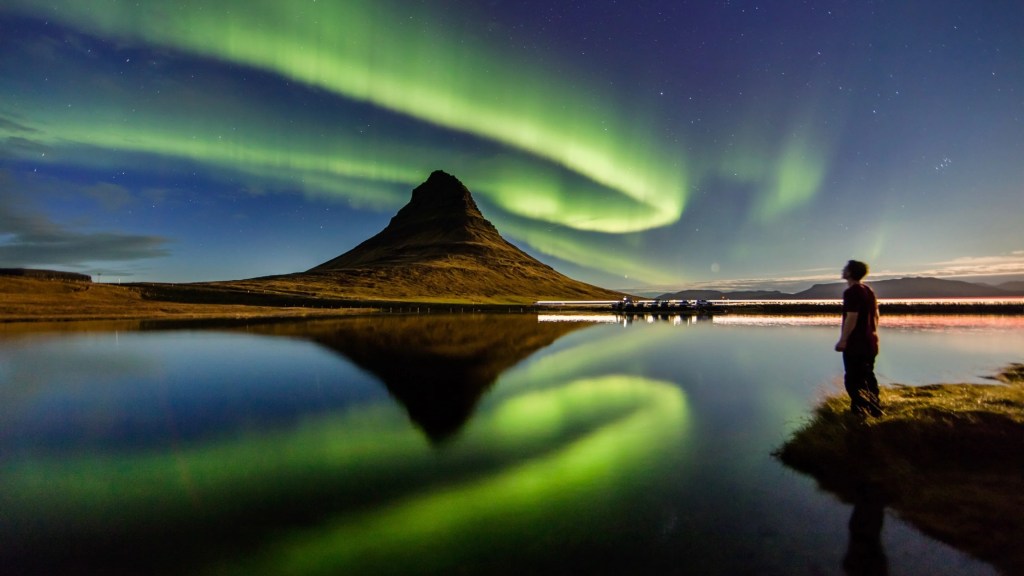
Background: Iceland, once a destination with a pronounced high season during its short summer, faced the challenge of attracting tourists during its long, dark winter months.
Strategies:
- Northern Lights Tourism: Capitalizing on one of its most enchanting natural phenomena, Iceland marketed the aurora borealis as a key winter attraction, drawing visitors from around the globe eager to witness this spectacle.
- “Icelandair Stopover”: Icelandair offered travelers between North America and Europe the option of a multi-day stopover in Iceland at no additional airfare cost, boosting off-peak tourism.
- Adventure and Wellness Tourism: The promotion of winter adventure sports, such as glacier hiking and snowmobiling, along with the allure of geothermal spas like the Blue Lagoon, encouraged year-round visitation.
Outcomes:
- Balanced Visitor Numbers: These strategies significantly smoothed seasonal peaks, contributing to more even tourist distribution throughout the year.
- Economic Diversification: The growth in winter tourism spurred broader economic benefits, including job creation in tourism and related sectors.
5. Kyoto, Japan
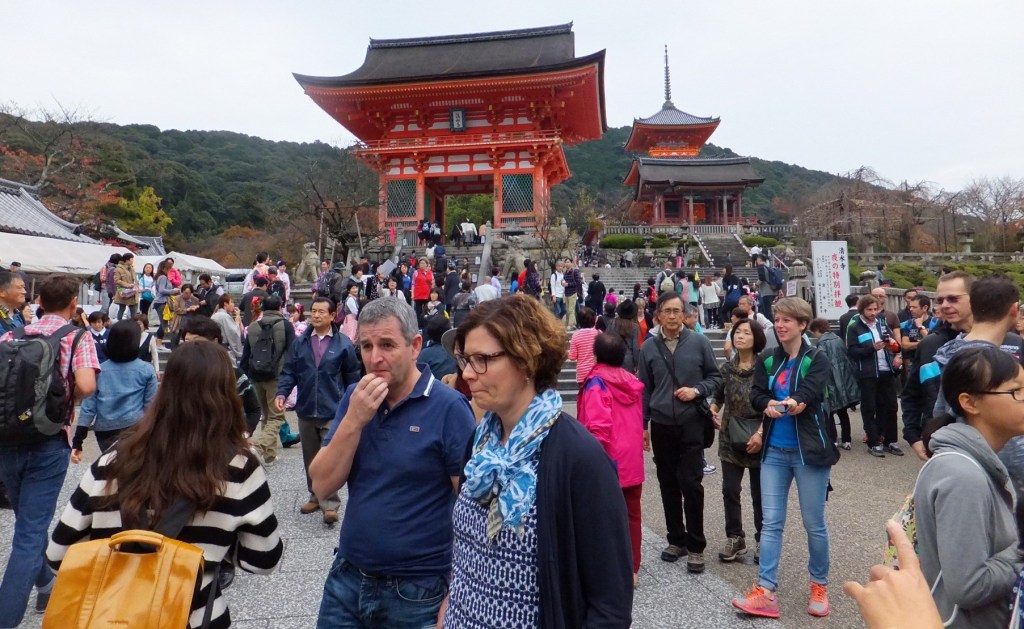
Background: Kyoto is renowned for its cherry blossoms in spring and colorful leaves in autumn, leading to seasonal congestion. The city aimed to manage overcrowding and promote off-peak tourism.
Strategies:
- Cultural Events and Festivals: Kyoto leverages its rich cultural heritage by highlighting seasonal festivals and events outside peak periods, such as the Gion Festival in July and the Daimonji Bonfire in August.
- Promotion of Lesser-Known Attractions: Efforts to showcase Kyoto’s year-round appeal, including its serene temples, traditional teahouses, and cultural workshops, encouraged visits during quieter months.
Outcomes:
- Enhanced Visitor Experience: Tourists can enjoy a more authentic experience of Kyoto’s culture without the peak season crowds.
- Economic Stability for Local Businesses: An even spread of tourism helps maintain consistent income for local businesses and artisans.
6. Whistler, Canada

Background: Whistler, a renowned winter ski resort, sought to increase its appeal as a year-round destination to balance its seasonal tourism economy.
Strategies:
- Summer Adventure Tourism: Whistler transformed its ski slopes into a summer adventure paradise, offering mountain biking, hiking, and zip-lining to attract off-season visitors.
- Cultural and Environmental Tourism: The resort emphasized cultural experiences, such as the Squamish Lil’wat Cultural Centre, and nature-based activities, including bear viewing tours, to diversify its attractions.
Outcomes:
- Year-Round Destination Appeal: These initiatives broadened Whistler’s market, attracting visitors throughout the year and reducing seasonal income volatility.
- Sustainable Tourism Practices: Emphasizing environmental and cultural tourism has also fostered a more sustainable approach to tourism development.
7. Tuscany, Italy

Background: Renowned for its picturesque landscapes, rich history, and culinary heritage, Tuscany has traditionally seen a surge in tourism during the summer months. The challenge was to entice visitors during the off-peak seasons, particularly winter and early spring.
Strategies:
- Culinary and Wine Tourism: Leveraging its reputation for exquisite food and wine, Tuscany promotes culinary tours, truffle hunting experiences, and wine tastings at vineyards during the off-peak seasons, showcasing the region’s year-round offerings.
- Cultural Festivals and Events: Hosting events such as the Carnevale di Viareggio in late winter and the Firenze Winter Park for ice skating and winter sports activities, drawing visitors for unique cultural experiences.
- Agritourism and Wellness: Encouraging visits to agritourism farms for a rustic experience and wellness retreats that offer thermal baths, which are particularly appealing during the cooler months.
Outcomes:
- Diversified Tourism Offerings: These initiatives have helped to attract a different type of visitor outside the summer months, interested in gastronomy, culture, and wellness.
- Economic Stabilization: Providing a steadier flow of income for local businesses and reducing seasonal employment fluctuations.
8. Sedona, Arizona, USA

Background: Famous for its red sandstone formations, Sedona is a popular destination for outdoor enthusiasts and spiritual seekers. While it experiences a peak in visitation during the spring and fall, Sedona has sought to boost its attractiveness during the summer and winter months.
Strategies:
- Summer Monsoon Season Photography and Adventure Tours: Promoting the unique beauty and cooler temperatures of the monsoon season, which brings dramatic skies and cooler weather, ideal for photography tours and nature walks.
- Winter Wellness and Spiritual Retreats: Offering wellness and spiritual retreats that take advantage of Sedona’s reputation for rejuvenation and healing, attracting visitors seeking a serene escape from colder climates.
- Outdoor Recreation: Highlighting year-round outdoor activities, such as jeep tours, mountain biking, and hiking, that can be enjoyed despite the seasonal temperature variations.
Outcomes:
- Year-Round Visitor Engagement: By marketing unique seasonal attractions, Sedona has managed to maintain a consistent flow of tourists throughout the year.
- Enhanced Local Economy: Continuous tourism has supported local businesses and employment, contributing to the overall economic health of the region.
9. Chiang Mai, Thailand
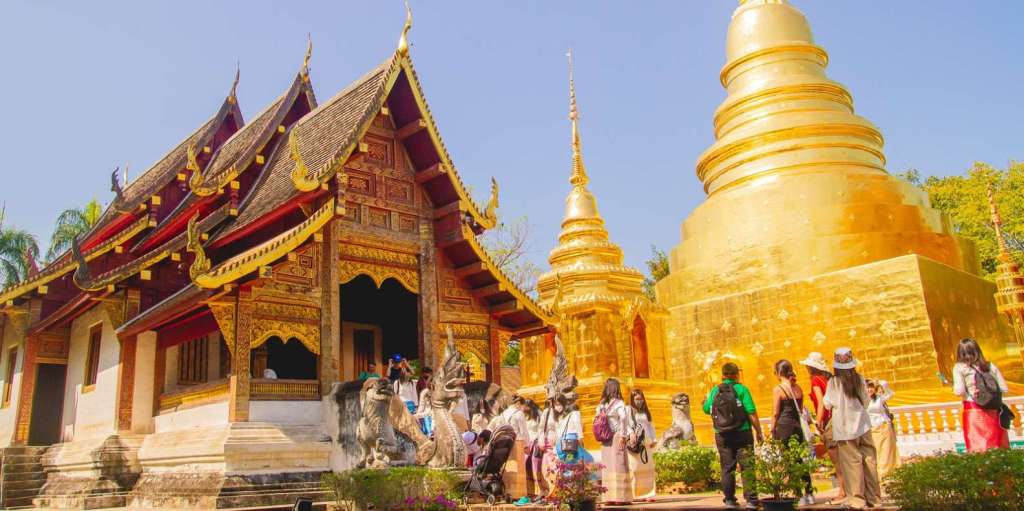
Background: Chiang Mai, known for its beautiful temples, lush landscapes, and rich cultural heritage, faces a tourism peak during the cool season from November to February. The challenge has been to attract visitors during the hot summer and rainy seasons.
Strategies:
- Cultural and Educational Tourism: Promoting cultural immersion experiences, such as traditional Thai cooking classes, lantern-making workshops, and temple stays, which offer unique insights into Thai culture regardless of the season.
- Eco and Adventure Tourism: Highlighting the region’s natural beauty through eco-tourism and adventure activities, such as jungle trekking, whitewater rafting, and visits to elephant sanctuaries, particularly appealing during the lush rainy season.
- Festivals and Events: Utilizing local festivals, like the Songkran (Thai New Year) in April and the Yi Peng Lantern Festival, to draw tourists during off-peak times with cultural festivities.
Outcomes:
- Balanced Tourist Distribution: These strategies have encouraged a more even spread of visitors throughout the year, reducing the strain on local infrastructure during peak periods.
- Sustainable Tourism Development: Focusing on cultural and eco-tourism has promoted sustainable practices and supported conservation efforts, benefiting both the community and the environment.
Analysis and Lessons Learned

These case studies underscore several key strategies for achieving successful seasonal dispersion in tourism:
- Unique Seasonal Offerings: Highlighting unique attractions or experiences available only during the low season can shift travel patterns.
- Creative Marketing Campaigns: Innovative marketing, including leveraging social media and partnerships with airlines or travel influencers, can change perceptions and encourage off-peak travel.
- Sustainable and Community-Focused Approaches: Ensuring that tourism development benefits local communities and preserves cultural and natural resources is crucial for long-term success.
Destinations leveraging low-season travel not only mitigate the negative impacts of seasonality but also enrich the visitor experience, support local economies, and promote sustainable tourism practices. The key lies in understanding and showcasing the unique value proposition of a destination throughout all seasons, thereby transforming challenges into opportunities for growth and sustainability.

For more information, please visit our friends at Low Season Traveller.
Recommendations for Seasonal Destinations to Leverage Low-Season Travel Strategies
For destinations that currently experience significant seasonality, where tourism is concentrated in a few peak months, it is essential to implement strategies to leverage low-season travel to drive high-yield tourism. These destinations can increase revenues, improve the economic impact for stakeholders, and reduce the strain on infrastructure and resources during peak periods. Below are examples of such destinations, along with recommendations for maximizing the potential of their off-peak periods.
1. Santorini, Greece: Repositioning the Off-Season for Cultural and Wellness Tourism

Santorini is world-renowned for its picturesque sunsets and luxury accommodations, but it experiences extreme seasonality, with the majority of tourists visiting during the summer months. This influx strains the island’s infrastructure and overwhelms local services. However, Santorini could leverage its off-season, particularly the fall and early spring, to appeal to high-yield travelers.
Strategy:
- Cultural and Historical Tourism: Promote Santorini’s rich archaeological sites, such as Akrotiri, and its traditional villages during the quieter months. High-yield travelers are often drawn to unique cultural experiences that offer exclusivity and depth.
- Wellness Retreats: Santorini’s serene atmosphere in the off-season is ideal for wellness tourism. Luxury spa retreats, yoga sessions with views of the caldera, and personalized wellness programs can attract affluent tourists seeking relaxation and rejuvenation.
Impact: By repositioning the off-season as a time for cultural and wellness tourism, Santorini can attract high-yield tourists who are less sensitive to weather conditions and more interested in the exclusive and tranquil aspects of the island. This will alleviate pressure during peak summer months and contribute to a more sustainable tourism model.
2. The Maldives: Low-Season as a Time for Luxury Eco-Tourism and Marine Conservation
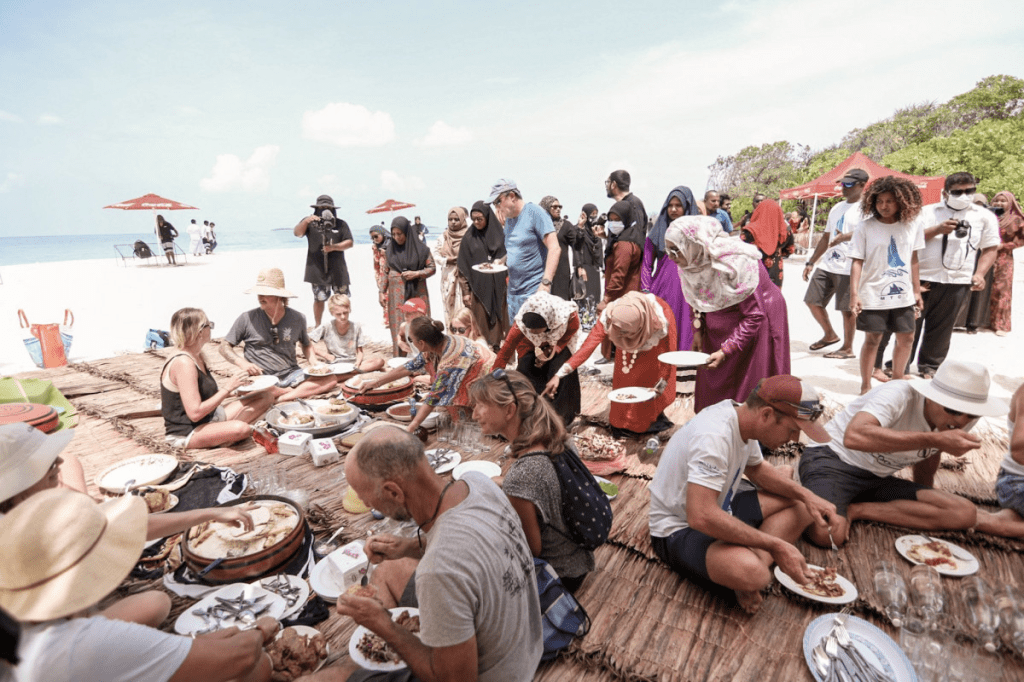
The Maldives is known for its luxury overwater villas and stunning marine biodiversity, but its low season during the monsoon months sees a significant drop in visitor numbers. Instead of viewing this period as a downtime, the Maldives could capitalize on high-yield travelers interested in eco-tourism, marine conservation, and exclusive underwater experiences.
Strategy:
- Luxury Eco-Tourism: Market the low season as a time to explore the Maldives’ vibrant underwater ecosystems through exclusive diving and snorkeling experiences. High-yield tourists are often drawn to sustainability initiatives, and luxury resorts could offer eco-friendly packages focused on marine conservation.
- Private Conservation Experiences: Resorts can create bespoke conservation programs where high-yield tourists participate in coral restoration, turtle rehabilitation, and other environmental initiatives. Offering such exclusive experiences creates a deeper connection between visitors and the destination.
Impact: This repositioning can draw affluent eco-conscious travelers to the Maldives during its off-peak months, increasing revenue for local stakeholders while supporting environmental sustainability. The year-round appeal of luxury eco-tourism would stabilize income for the local economy and reduce reliance on peak-season tourism.
3. The Alps, Switzerland: Summer as a Time for High-End Adventure and Wellness Travel

The Swiss Alps are famous for their winter sports tourism, with most visitors arriving during the ski season. However, the summer months, while quieter, offer breathtaking landscapes perfect for hiking, wellness retreats, and high-yield adventure tourism.
Strategy:
- Luxury Hiking and Adventure Packages: Promote high-end adventure experiences such as guided alpine hiking, luxury camping (glamping), and private mountain tours during the summer. High-yield tourists often seek exclusive, customized outdoor experiences, which could include heli-hiking or private guides.
- Wellness Tourism: Leverage Switzerland’s reputation for wellness by marketing luxury spa and wellness retreats during the summer. Many affluent travelers seek solitude and nature for relaxation, making the serene Alps an ideal summer wellness destination.
Impact: Shifting focus to high-end summer experiences would allow the Alps to attract affluent tourists year-round, reducing dependence on the winter season and providing a stable source of income for local businesses. This approach can also promote more sustainable use of natural resources, minimizing the environmental strain associated with peak-season skiing.
4. Kyoto, Japan: Attracting High-Yield Tourists Through Off-Season Cultural Immersion
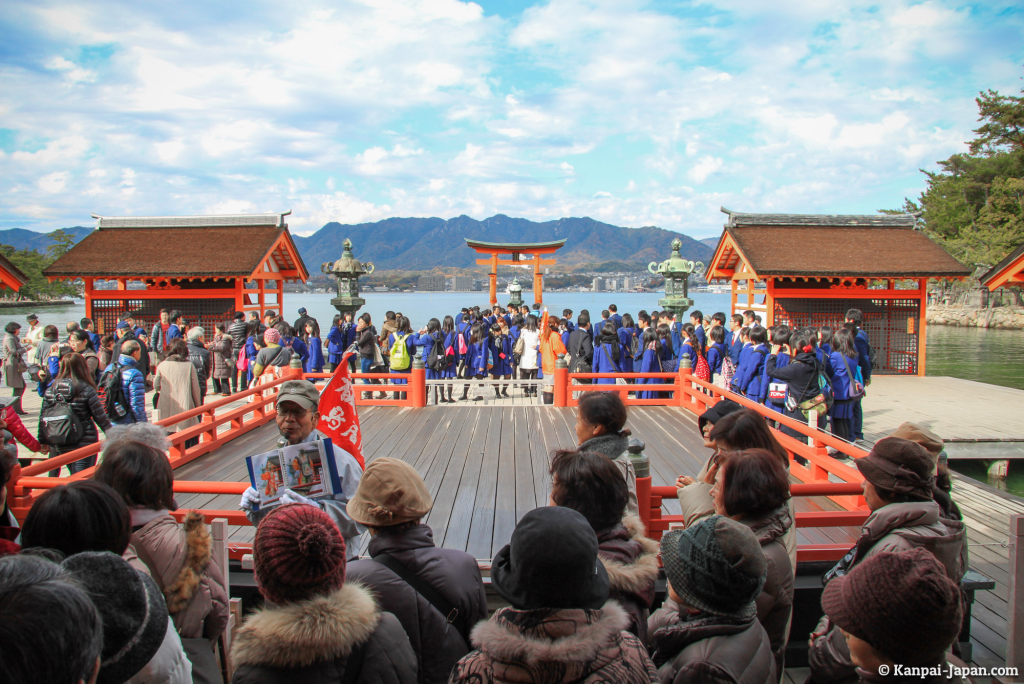
Kyoto’s cherry blossom season and autumn foliage draw massive crowds, often leading to overcrowding and congestion in the city’s historic sites. However, the quieter summer months and winter periods could be repositioned to attract high-yield cultural tourists interested in deeper, more intimate experiences.
Strategy:
- Exclusive Cultural Experiences: During the off-season, Kyoto could offer high-yield tourists private, guided access to temples, traditional tea ceremonies, and artisanal workshops. Tailored experiences such as private calligraphy lessons or geisha performances would appeal to affluent visitors seeking meaningful cultural engagement.
- Winter Festivals and Wellness: The winter season could be promoted with exclusive participation in cultural festivals such as Kyoto’s Gion Matsuri, or luxurious wellness retreats at traditional ryokan inns, including hot spring (onsen) experiences.
Impact: By focusing on cultural and wellness tourism during the off-season, Kyoto can attract high-yield tourists who prefer quiet, personalized experiences. This reduces the pressure on the city’s attractions during peak seasons and helps sustain the local economy year-round.
5. Whistler, Canada: Positioning Summer as a Luxury Adventure Season
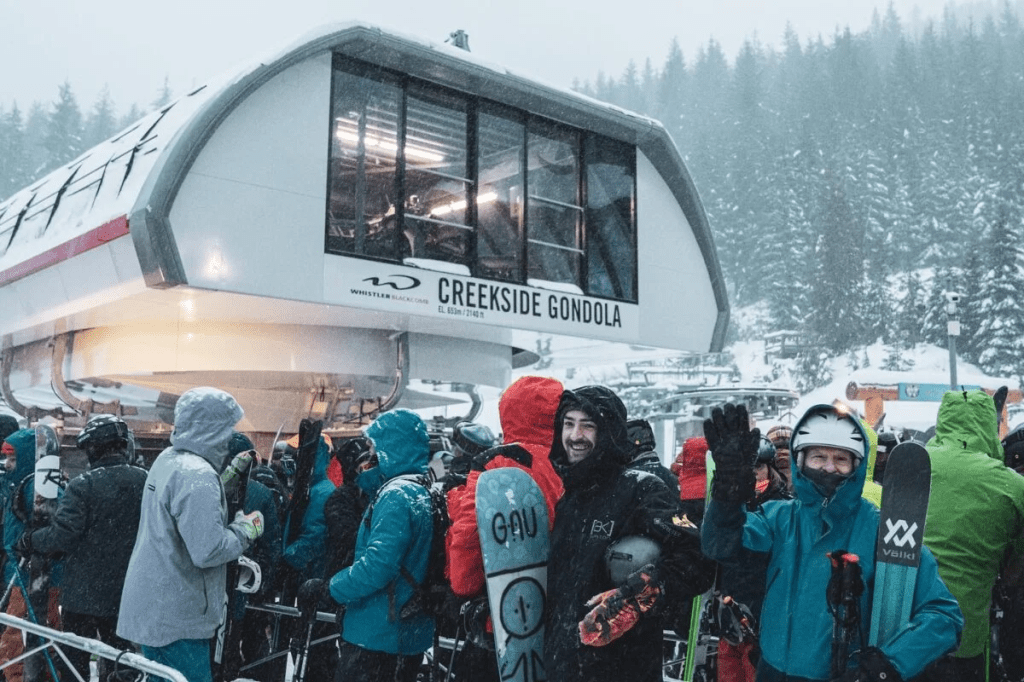
Whistler is a world-renowned ski destination, but the summer season sees a marked drop in visitors. However, with its stunning mountain landscapes and outdoor adventure potential, Whistler is well-positioned to become a high-yield summer destination.
Strategy:
- Luxury Outdoor Experiences: Promote high-end summer activities such as private mountain biking tours, heli-hiking, and fly-fishing excursions. By offering these exclusive outdoor adventures, Whistler can attract affluent adventure tourists.
- Wellness and Nature Retreats: Emphasize wellness and relaxation with luxury spa experiences, yoga retreats, and nature immersion programs during the summer months. Affluent travelers are often drawn to serene environments where they can disconnect and rejuvenate.
Impact: Repositioning Whistler as a luxury summer destination would diversify its tourism offerings and provide a steady stream of high-yield visitors, reducing its reliance on the winter ski season. This shift would benefit local businesses and create year-round employment opportunities.

Driving High-Yield Tourism Through Low Season Travel
Low-season travel offers an often-underexplored opportunity to attract high-yield tourists, who not only spend more but also engage deeply with destinations. By focusing on quality over quantity, high-yield tourism can generate greater economic impact with less environmental and social strain. Integrating this approach during traditionally off-peak periods can provide year-round economic stability for local communities, enhance visitor experiences, and ensure sustainable destination management.
Economic and Social Impacts of High-Yield Tourism During Low Season
1. Revenue Diversification and Economic Resilience
High-yield tourism during the low season enhances the economic resilience of destinations by reducing dependency on peak-season tourists. This more balanced flow of visitors supports year-round employment and helps stabilize local businesses. High-yield tourists, who are willing to spend more per capita, contribute significantly to the local economy, purchasing premium services, products, and experiences that support both small businesses and local suppliers. This leads to higher average daily spend, which can be distributed across a wider range of stakeholders, from boutique hoteliers to local craftspeople.
2. Reducing Seasonality’s Social Impact
For residents, the high-yield approach to low-season tourism reduces the negative social impacts often associated with mass tourism during peak times. Smaller, more affluent tourist groups place less strain on local infrastructure and services, helping to preserve the destination’s cultural and natural assets. Additionally, high-yield tourists are more likely to engage with local communities in meaningful ways, supporting cultural preservation and encouraging sustainable development practices.
3. Long-Term Sustainability and Destination Management
Promoting high-yield tourism in the off-season aligns with long-term sustainability goals, as it encourages a more even distribution of tourists throughout the year. This not only reduces the environmental degradation caused by concentrated tourist activity during peak periods but also allows destinations to manage resources more effectively. Governments and tourism boards can collaborate with the private sector to develop infrastructure, promote sustainable practices, and ensure that tourism growth benefits all stakeholders.
Key Strategies for Driving High-Yield Tourism in the Low Season
For destinations that currently experience extreme seasonality, where tourism is concentrated in a few peak months, it is essential to rethink tourism strategies to leverage the potential of low-season travel. Here are targeted recommendations to transform the low season into a high-yield opportunity:
- Focus on Niche Markets: High-yield tourists often seek unique, immersive experiences. By promoting niche markets such as wellness tourism, cultural immersion, eco-tourism, and adventure travel during the low season, destinations can attract travelers willing to spend more on specialized experiences. Regions like Tuscany have demonstrated the ability to sustain tourism during off-peak periods by focusing on culinary tourism, while destinations such as Bali and Thailand have successfully captured high-yield tourists by promoting wellness tourism during the off-season.
- Leveraging Authentic Local Experiences: Low-season travel provides a more authentic setting for high-yield tourists who value intimate, meaningful interactions with the local culture and environment. Offering workshops, local craft experiences, and culinary tours can enhance the high-yield potential of these visitors.
- Offering Exclusive Events and Packages: By creating exclusive events, festivals, or bespoke packages that cater to affluent travelers during the low season, destinations can maintain appeal. Luxury services, private tours, and access to less crowded but high-quality experiences are key to attracting this segment.
- Promoting Extended Stays: High-yield tourists are more likely to extend their trips, especially during quieter periods when there is less pressure from mass tourism. By encouraging longer stays with tailor-made itineraries, destinations can drive greater visitor spend.
- Seasonal Events and Holidays: Introduce or expand unique events and festivals during the low season to attract niche markets. For example, promoting local festivals or national holidays as exclusive experiences can appeal to tourists who seek authentic cultural immersion.
- Rebrand the Low Season as an Asset: Follow the example of Laos and rebrand the low season to highlight its natural beauty and transformative effects. This positive reframing can shift perceptions from “rainy season” or “off-peak” to a more appealing “Green Season” that emphasizes renewal, growth, and lush landscapes. By marketing these times as optimal for luxury and personalized experiences, destinations can attract high-yield tourists who value exclusivity and comfort.
Repositioning the Low Season in Laos as the “Green Season”
Low-season travel in Laos, often referred to as the rainy or monsoon season, has long been underutilized in tourism strategies. However, repositioning this period as the “Green Season” offers an opportunity to rebrand the low season as a time of renewal and natural beauty. During the Green Season, Laos’s landscapes transform into vibrant, lush environments, creating a perfect backdrop for high-yield travelers seeking immersive experiences in nature and culture.
Why the Green Season Appeals to High-Yield Travelers:
- Eco-Tourism and Adventure: The Green Season enhances eco-tourism opportunities such as river kayaking, trekking, and wildlife spotting. The Mekong River, in particular, becomes a focal point for adventurous travelers, with water levels at their peak.
- Cultural Immersion: Low tourist numbers during this time allow for more authentic cultural exchanges. High-yield tourists looking for deep cultural immersion can visit temples, participate in village homestays, and engage with local artisans, all while avoiding the hustle and bustle of peak tourism.
- Wellness and Rejuvenation: Laos offers rich wellness tourism opportunities, particularly in off-peak months. The serene environment during the Green Season is ideal for luxury spa retreats, yoga, and meditation experiences, attracting affluent tourists in search of tranquility and personal growth.
Economic Impact: Rebranding the low season as the Green Season could result in a more even distribution of tourism, reducing the country’s dependency on peak seasons. Promoting eco-tourism, cultural experiences, and wellness during this period allows Laos to attract high-yield tourists who contribute significantly to the local economy by purchasing premium experiences and supporting sustainable tourism ventures.

Transforming Low-Season into High-Yield Opportunities
By adopting strategies that reposition their low or off-seasons, heavily seasonal destinations can unlock significant economic potential. High-yield tourism during the low season reduces overcrowding in peak periods, stabilizes income streams for local businesses, and promotes sustainable tourism development. Through targeted marketing, exclusive experiences, and a focus on cultural and eco-friendly tourism, these destinations can attract affluent travelers who provide higher per-visitor spending and contribute positively to the local economy year-round. Please contact High-Yield Tourism to have a conversation how bespoke strategies can be developed using innovative tools and evidence-based economic frameworks. Join the High-Yield Tourism LinkedIn page to have a conversation and listen to the insightful podcast.
About the Author
With over 30 years of global travel and tourism expertise, Dr. Jens Thraenhart is the Founding Partner of 25-year-old bespoke strategy consulting firm Chameleon Strategies, the 2nd Vice Chair of the World Tourism Organization’s UN Tourism Affiliate Members, co-founder of High-Yield Tourism, the former Chief Executive Officer of the Barbados Tourism Marketing, Inc. (Visit Barbados), the former Executive Director of the Mekong Tourism Coordinating Office, the founder of private-sector-led tourism marketing organization Destination Mekong, and former Board Member of the Caribbean Tourism Organization (CTO). Previously active in China, in 2009, he co-founded acclaimed marketing agency Dragon Trail and published the China Travel Trends books and website. Jens has also held leadership positions with Destination Canada and Fairmont Hotels & Resorts (now Accor). As founder of the Destination Film Forum, he is also a big proponent of the power of storytelling, having been recognized as one of the top 10 Most Influential Leaders in Travel in 2022 by Travel Vertical, ranking first in the category of Creativity and Brand Storytelling, and served on the Jury of the Cannes Lion International Film Awards. Other recognitions for his work include being one of the travel industry’s top 100 rising stars by Travel Agent Magazine in 2003, one of HSMAI’s 25 Most Extraordinary Sales and Marketing Minds in Hospitality and Travel in 2004 and 2005, one of the Top 20 Extraordinary Minds in European Travel and Hospitality in 2014, and honored as one of the Global Travel Heroes in 2021. He completed his Doctor in Tourism Management at The Hong Kong Polytechnic University and graduated from Cornell University with a Masters in Hospitality Management.
 BALANCED TOURISM
Leave a comment