
By Dr. Jens Thraenhart (September 2024)
Introduction
As global tourism trends shift towards sustainability, cycling tourism has emerged as a pivotal force in promoting eco-conscious travel. This form of tourism not only contributes to environmental preservation but also boosts local economies and provides a healthier travel alternative. Cycling tourism exemplifies a balanced approach to tourism growth by aligning environmental stewardship with economic benefits.
Cycling tourism represents a transformative way for travelers to engage more deeply with their destinations, while reducing their carbon footprint. This form of travel not only encourages physical activity and a deeper connection with the environment but also significantly contributes to local economies without the heavy environmental footprint associated with traditional forms of travel (UNWTO, 2019).
Why Cycling Tourism Matters
Environmental Benefits
Cycling is an inherently low-carbon mode of transport. When compared to traditional forms of travel, it drastically reduces carbon emissions, mitigating the environmental impact of tourism (Jones et al., 2021). This sustainability factor is particularly important as travelers become increasingly conscious of their environmental footprints.
Economic Benefits to Local Communities
Cycling tourists tend to support small local businesses, from cafes to guesthouses. This enables local economies to diversify their income sources, particularly in rural areas often bypassed by mainstream tourism (Smith, 2020). Additionally, cycling infrastructure investments have a high return on investment due to low operational costs and the positive impact on local economies (Richards, 2022).
Health and Well-being
Cycling tourism also fosters health-conscious travel. By promoting outdoor activity, cycling tourism not only enhances tourists’ physical and mental well-being but also aligns with global wellness trends in the travel industry (Berg & Pruitt, 2019).
Embracing Bike-Friendly Initiatives
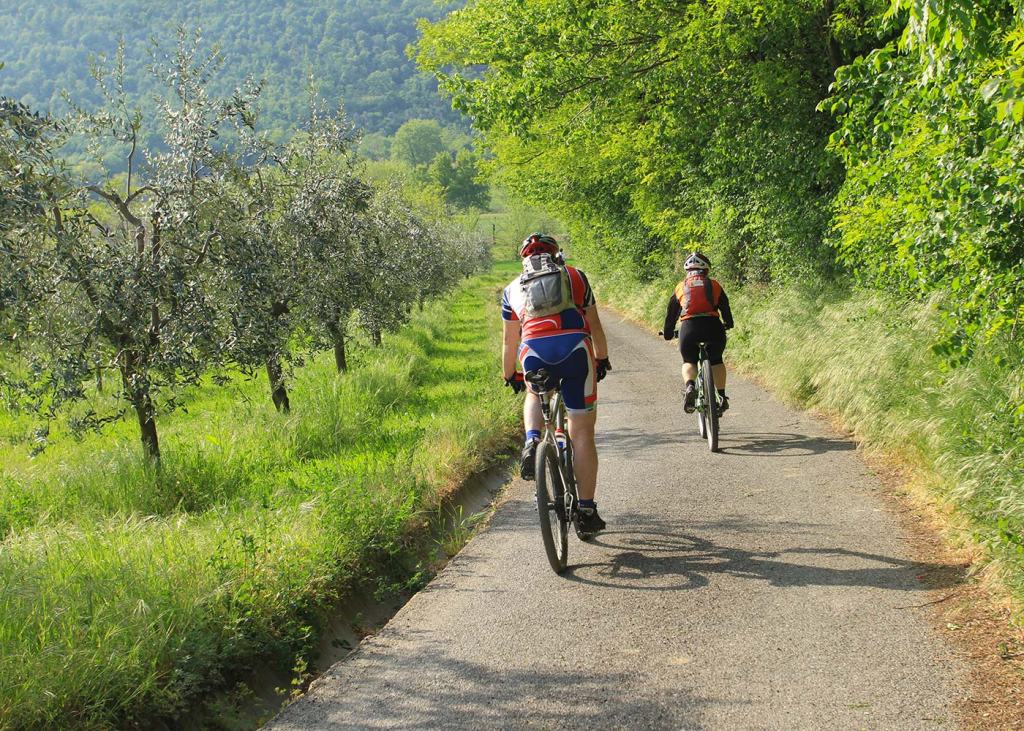
To capitalize on the growing popularity of cycling tourism, destinations must take proactive steps to position themselves as bike-friendly. This involves more than just offering cycling trails; it requires a comprehensive approach to create an ecosystem that supports and encourages cycling tourists.
Generating a huge buzz within the industry and further afield, bikepacking is pegged as the industry’s next best thing. Seen as something that will further revolutionise the cycle tourism industry, bikepacking gives a newfound freedom to participants as it is a hybrid between mountain biking and minimalist camping. Ticking the box for multi-day adventures, ‘off-the-beaten-track’ experiences and adhering to a minimalist lifestyle, this sub-niche appeals to those that are sick of the monotony that traditional cycling may bring.
The Power of Certification
Introducing a bike-friendly certification system for hotels, restaurants, and attractions provides tangible benefits:
- Targeted Market Appeal: Cyclists become aware of establishments that cater to their specific needs.
- Brand Differentiation: Certified businesses demonstrate commitment to sustainability and a unique travel niche.
- Collaborative Ecosystem: A certification system encourages collaboration between businesses and fosters a sense of community within the cycling tourism sector.
Case Study: Greece: Bike friendly label
The “Bike Friendly” label in Greece is part of an initiative placed under the auspices of the Ministry of Tourism and the Ministry of Environment & Energy, aiming to promote cycling tourism. It involves certifying hotels, partners, and municipalities that cater to the needs of cycling tourists. The certification ensures that these entities offer specific services beneficial to cyclists, such as safe bike storage and information on local cycling routes. Additionally, the website provides a map featuring certified accommodations and cycling routes across Greece, encouraging planning for cycling excursions throughout the year. By certifying destinations and businesses as bike-friendly, Greece is enhancing its attractiveness to eco-conscious travelers and setting an example for other countries to follow in promoting sustainable tourism initiatives.
For more detailed information, visit https://www.bikehotels.travel/en.
Global Success Stories in Cycling Tourism
Case Study 1: The Netherlands – A Cycling Paradise
The Netherlands is internationally renowned for its extensive cycling infrastructure, making it one of the top cycling tourism destinations in the world. With over 30,000 kilometers of bike lanes, the country offers an unparalleled experience for eco-conscious travelers, connecting urban centers, countryside, and coastal regions. Dutch cycling culture not only reduces vehicle congestion and improves air quality, but also fosters a cycling-friendly environment for both residents and tourists. The Dutch government’s continued investment in cycling infrastructure ensures that the country remains a haven for cycling tourism (Nederland Fietsland, 2022).
Amsterdam is famous for its cycling culture, with more bikes than residents. The city offers numerous bike paths, bike parking, and traffic laws favoring cyclists, making it an exemplary bike-friendly destination. With its innovative bike parking solutions and extensive network of cycling paths, Utrecht is another Dutch city leading in cycling infrastructure, offering tourists a pleasant and safe cycling experience.
References:
- Nederland Fietsland. (2022). Cycling in the Netherlands: A guide for tourists. Retrieved from https://www.hollandcyclingroutes.com/
Case Study 2: New Zealand’s Nga Haerenga Cycle Trail
New Zealand’s Nga Haerenga Cycle Trail is a national treasure that showcases the country’s diverse landscapes. Stretching from coastal paths to mountainous terrains, the cycle trail has become a significant draw for eco-tourists looking for immersive nature experiences. Beyond its environmental appeal, the trail has also generated significant economic benefits, particularly in rural areas, by supporting local businesses and encouraging tourism development in less frequented regions (NZ Cycle Trail, 2021).
References:
- NZ Cycle Trail. (2021). Nga Haerenga: The New Zealand Cycle Trail. Retrieved from https://www.nzcycletrail.com/
Case Study 3: Thailand’s Rise in Cycling Tourism
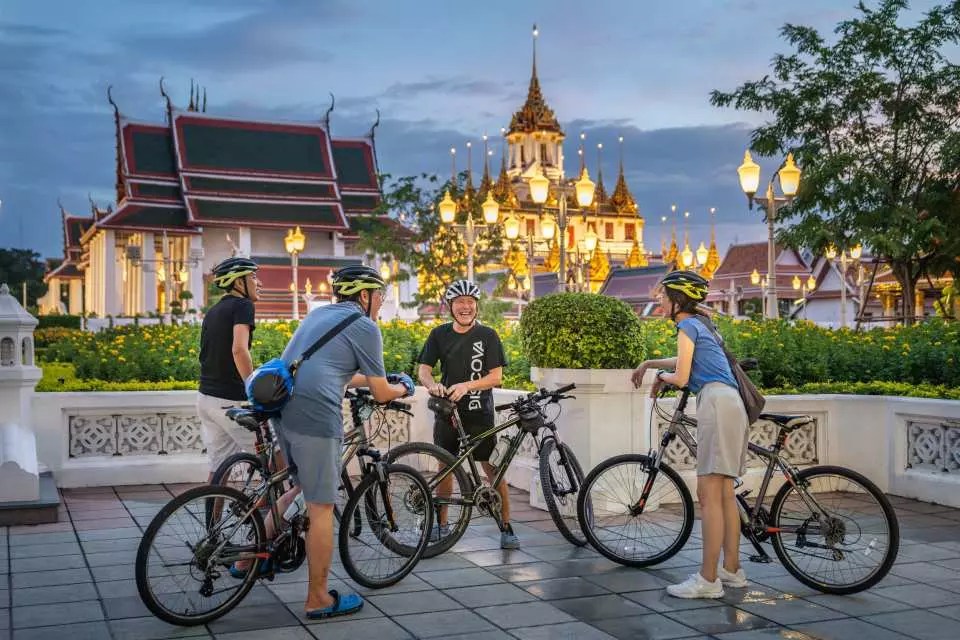
Thailand has positioned itself as a rising star in cycling tourism by offering a variety of scenic cycling routes that cater to all skill levels. Whether it’s exploring bustling cities or venturing into the tranquil countryside, Thailand offers immersive experiences for tourists. Local initiatives, such as Thailand Cycle Tours, provide multi-day tours that introduce cyclists to the country’s rich culture and landscapes. With an emphasis on eco-friendly tourism, Thailand has become an attractive destination for cyclists from around the world (Bicycle Thailand, 2023).
References:
- Bicycle Thailand. (2023). Your cycling guide to the land of smiles. Retrieved from https://bicyclethailand.com/
Case Study 4: France’s Vélo Tourism
France has integrated cycling tourism into its national tourism strategy, transforming itself into a leading destination for cycling enthusiasts. The “France Vélo Tourisme” platform provides detailed information on over 250 long-distance cycling routes across the country, along with a certification program for bike-friendly services. This initiative has been instrumental in attracting international cyclists, contributing to local economies, and reducing dependence on car-based travel. With diverse landscapes and cultural experiences, France has become a hub for sustainable cycling tourism (France Vélo Tourisme, 2022).
Known as the “Crossroads of Europe,” Strasbourg has made significant investments in its cycling infrastructure, including dedicated bike lanes and bike-sharing schemes, making it an attractive destination for cycling enthusiasts.
References:
- France Vélo Tourisme. (2022). All cycling routes in France. Retrieved from https://en.francevelotourisme.com/
Case Study 5: Germany’s EuroVelo Routes
Germany has seen robust growth in cycling tourism, driven largely by its participation in the EuroVelo network. The EuroVelo routes, which stretch across Europe, offer cyclists a scenic way to explore Germany’s rivers and coastlines. These well-maintained routes are popular among both domestic and international tourists, making a significant contribution to Germany’s tourism revenue. Germany’s focus on cycling infrastructure, combined with its scenic beauty and cultural attractions, has positioned it as a premier destination for cycling tourism (EuroVelo, n.d.).
Freiburg is often cited for its sustainable transport solutions and extensive network of bike paths that connect the city center with the beautiful Black Forest, making it a paradise for cyclists.
References:
- EuroVelo. (n.d.). Cycling tourism in Germany. Retrieved from https://pro.eurovelo.com/
Case Study 6: Denmark – A Cycling Tourism Leader
Denmark has firmly positioned itself as one of the world’s leading cycling tourism destinations, thanks to its comprehensive network of national cycling routes and its status as a bicycle-friendly nation. The country boasts 11 well-marked national cycling routes that span picturesque landscapes, offering both leisure and recreational cyclists a variety of scenic options (Ruter.dk, n.d.). Denmark’s commitment to cycling tourism is further evidenced by its involvement with the EuroVelo network, which features over 11,000 kilometers of sign-posted cycling routes (EuroVelo, n.d.).
Among the most popular routes are the Baltic Sea Cycle Route, the West Coast Cycle Route, and the Berlin-Copenhagen Route. These routes offer cyclists the opportunity to experience Denmark’s coastal beauty, rural countryside, and vibrant cities, all while engaging in sustainable travel (VisitDenmark, n.d.). Denmark’s extensive infrastructure and supportive policies make it a top destination for cycling tourists seeking a blend of nature and culture.
Often topping lists for its bike-friendly streets, Copenhagen boasts over 390 kilometers of designated bike lanes and the iconic Bicycle Snake bridge. The city encourages cycling through its public bike-share system and extensive network of cycling routes.
References:
- EuroVelo. (n.d.). Denmark – EuroVelo. Retrieved from https://en.eurovelo.com/denmark
- Ruter.dk. (n.d.). The official website for the national bicycle routes in Denmark. Retrieved from https://ruter.dk/?lang=en
- VisitDenmark. (n.d.). Denmark’s seven greatest cycling routes. Retrieved from https://www.visitdenmark.com/denmark/things-do/cycling/national-cycling-routes
Case Study 7: Japan – Blending Scenic Beauty and Culture
Japan has rapidly embraced cycling tourism through strategic initiatives that showcase the country’s scenic beauty and rich cultural heritage. One of Japan’s most innovative projects is the National Cycle Route system, which links world-class cycling routes with local tourism resources to boost both tourism and local development (Ministry of Land, Infrastructure, Transport and Tourism, n.d.).
One of the most renowned cycling experiences is the Shimanami Kaido, a 70-kilometer-long route connecting the cities of Onomichi and Imabari, passing through six islands in the Seto Inland Sea. This route offers cyclists breathtaking ocean views, a variety of historical landmarks, and can be completed in a single day (Japan National Tourism Organization, n.d.). Japan also features other notable routes, such as the Biwaichi loop around Lake Biwa and the scenic Noto Peninsula, ensuring there is something for every level of cyclist (Japan Monthly Web Magazine, n.d.).
Despite its bustling urban environment, Tokyo has a burgeoning cycling culture, with increasing numbers of bike lanes and rental schemes that provide a unique way to explore the city.
References:
- Japan National Tourism Organization. (n.d.). Cycling the Shimanami Kaido. Retrieved from https://www.japan.travel/en/itineraries/cycling-the-shimanami-kaido/
- Japan Monthly Web Magazine. (n.d.). The best destinations for cycling and bike tours in Japan. Retrieved from https://www.japan.travel/en/japan-magazine/2109_best-destinations-cycling-and-bike-tours-japan/
- Ministry of Land, Infrastructure, Transport and Tourism. (n.d.). National Cycle Route. Retrieved from https://www.mlit.go.jp/road/bicycleuse/good-cycle-japan/national_cycle_route/english.html
Case Study 8: South Korea – A Cycling Haven for All Levels
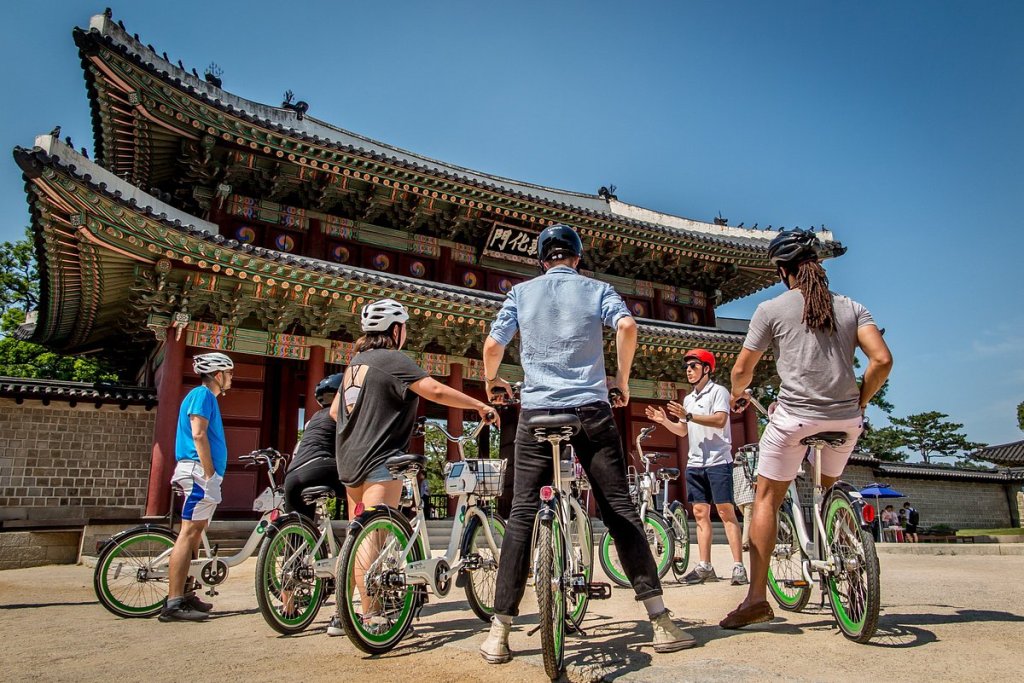
South Korea offers a diverse range of cycling tourism opportunities, thanks to its varied landscapes that include everything from coastal paths to mountainous trails. The country’s Four Beautiful Riverside Bike Paths are a standout attraction, allowing cyclists to explore scenic routes alongside South Korea’s major waterways. The Geumgang Bicycle Path, for instance, stretches 146 kilometers from Daejeon to Gunsan, offering unparalleled views of South Korea’s natural beauty (InMyKorea, n.d.).
For a more relaxed experience, the Jeju Island cycle route offers flat, easy terrain with ample opportunities to explore beaches, volcanic formations, and cultural landmarks. For those looking for more of a challenge, the East Coast Cycling Route spans 720 kilometers along the eastern seaboard, providing cyclists with both ocean views and mountain vistas (Bookmundi, n.d.). Experienced cyclists may also enjoy the Chilbongsan Trail, which offers rugged terrain and sweeping views of the South Korean countryside (Bookmundi, n.d.).
References:
- Bookmundi. (n.d.). Cycling in South Korea: 5 best paths, when to go, and travel tips. Retrieved from https://www.bookmundi.com/ng/cycling-in-south-korea-5-best-paths
- InMyKorea. (n.d.). 15 best places to go cycling in Korea: From coast to mountains. Retrieved from https://inmykorea.com/places-to-go-cycling-in-korea/
Case Study 9: Spain – Cycling Tourism in the Heart of Europe
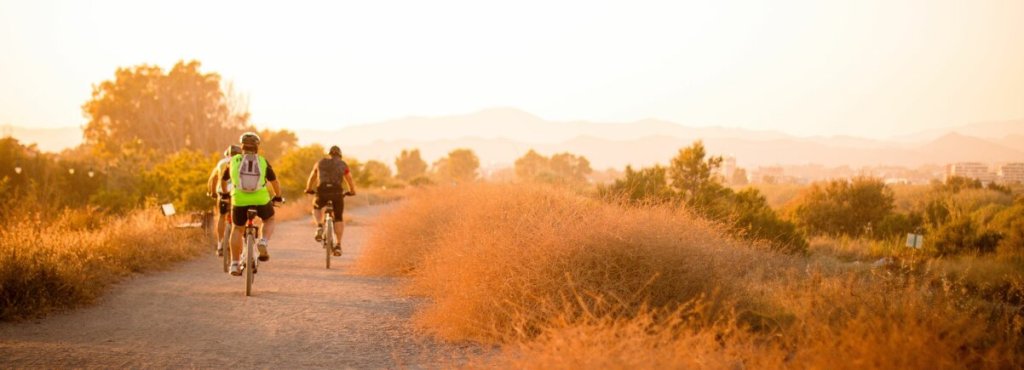
Spain has embraced cycling tourism as a key component of its urban mobility and sustainable tourism strategy. The country’s first National Cycling Strategy marked a significant milestone in promoting cycling as both a leisure activity and an eco-friendly form of transport. Spain has allocated a dedicated budget for cycling infrastructure and created the MITMA Cycling Office to oversee its implementation (European Cyclists’ Federation, 2021).
Spain offers a wide variety of cycling routes, including the famous Vías Verdes (Greenways) network and EuroVelo routes, both of which provide access to breathtaking landscapes and culturally rich experiences. These routes are complemented by bike-friendly accommodations, making Spain a top destination for cycling enthusiasts (Spain.info, n.d.).
References:
- European Cyclists’ Federation. (2021). Spain approves its first-ever national cycling strategy. Retrieved from https://ecf.com/news-and-events/news/spain-approves-its-first-ever-national-cycling-strategy
- Spain.info. (n.d.). Spain by bike. Retrieved from https://www.spain.info/en/discover-spain/cycle-touring-spain/
Infrastructure Investment
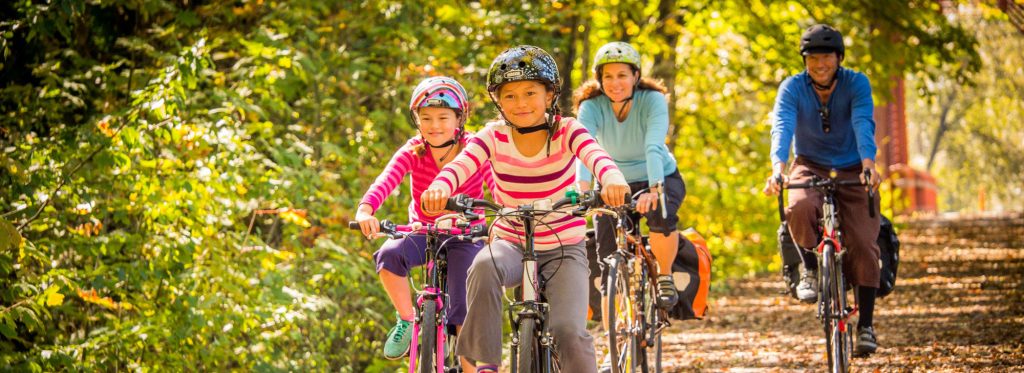
Indicative of its popularity, councils and governing bodies around the world have been quickly trying to adapt to a world with heavier bike usage. From dedicated bike lanes and reduced speed limits to bike purchase subsidies, bike share options and speciality parking, infrastructure and resources have had to be put in place in recent years to cater to the growing number of bikers.
While many of these changes, such as Paris’ promised subsidy of up to 500 euros for those investing in an electric bike, have come about as alternatives for daily commuters, the permanent changes will also feed into the domestic bike tourism movement. With sturdier infrastructure on hand, the safety and quality of bike tourism will be greatly improved – ticking even more boxes for discerning bike tourists.
As a result of all this investment, cycle trails which link touristic towns and destinations have also been the focus of planning efforts and financial investments in particular countries which will improve the experiences that tourists have while on their bikes. For example, in 2016 New Zealand’s Government committed NZ$25 million to improve and extend their national cycle trails for the purpose of tourism.
Greece has been investing time, money and resources into meeting the needs of cycle tourists in an effort to jump on the biking bandwagon. Their commitment to the tourism niche is evident with thought even being put into cycle-friendly certification. All too aware that cycle tourists crave variety while on holiday, and will be happy to spend money on other activities and amenities, Greek planners have been looking into what sort of criteria and certification could be put in place to identify which local businesses (accommodation providers, stores, amenities etc.) are equipped and happy to welcome cycle tourists.
Promoting Bike-Friendly Destinations
Promotional campaigns play a crucial role in raising awareness of cycling tourism opportunities. For example, the “Bike Friendly Business” program encourages businesses to adopt bike-friendly practices, providing them with a certification that attracts cycling tourists. Similarly, marketing campaigns showcasing scenic cycling routes and unique local experiences can entice travelers to choose a destination for their next cycling adventure. To optimize the potential of cycling tourism, destinations must develop bike-friendly infrastructure. Certification programs for hotels, restaurants, and attractions ensure that tourists have access to secure storage, repair stations, and cycling route information (Smith & Jones, 2021). Destinations such as France and Denmark have embraced these programs, positioning themselves as leaders in cycling tourism.
How Cycling Tourism Can Drive High-Yield Tourism
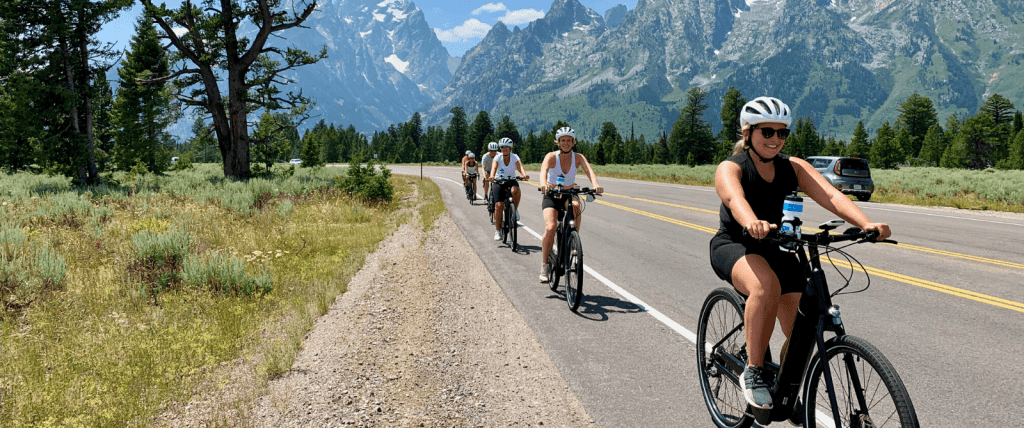
The concept of High-Yield Tourism (HYT) is gaining traction as global tourism strategies shift away from sheer visitor numbers to a focus on maximizing economic value. Cycling tourism fits well within this framework by attracting tourists who tend to stay longer and spend more locally, particularly in rural and less-developed areas (Richards, 2022).
By aligning with the principles of HYT, cycling tourism enables destinations to diversify their revenue streams and reduce their dependence on mass tourism. In many cases, cycling tourists are more likely to seek authentic, immersive experiences, contributing to local economies in ways that support long-term sustainability. This focus on quality over quantity is crucial for destinations seeking to balance tourism growth with environmental and community considerations.
Driving High-Yield Tourism Through Cycling
As global tourism evolves, the focus is shifting from merely increasing visitor numbers to maximizing economic value and ensuring long-term competitiveness. High-Yield Tourism (HYT) emphasizes quality over quantity, and cycling tourism is perfectly positioned to deliver on this approach.
How Cycling Tourism Drives High-Yield Tourism:
- Extended Stay Duration: Cycle tourists often spend more time in a destination, increasing overall spending.
- Dispersed Economic Benefits: Cycling routes often pass through rural areas, spreading economic benefits to less-visited regions.
- High-Value Experiences: Many cyclists seek premium experiences, from high-end bike rentals to luxury eco-lodges, driving higher per-visitor revenue.
- Year-Round Appeal: With proper infrastructure, cycling tourism can extend the tourist season, providing a steady income stream.
- Repeat Visitation: The diverse nature of cycling routes encourages repeat visits, building long-term loyalty.
How Destinations can leverage Cycling Tourism to drives High-Yield Tourism:
Destinations can position bike tourism as a high-yield sector that generates significant economic benefits for local communities while attracting valuable tourists who stay longer and spend more. This approach aligns with the principles of High-Yield Tourism by maximizing economic value, diversifying revenue streams, and ensuring long-term competitiveness in the tourism market.
Here are some key strategies to maximize the economic impact of bike tourism:
Develop Premium Cycling Experiences
- Create signature cycling routes that showcase unique local landscapes, culture, and attractions. These can command higher prices and attract affluent cyclists.
- Offer luxury bike tours with high-end accommodations, gourmet local cuisine, and exclusive experiences. This caters to the growing segment of wealthy adventure travelers.
- Develop multi-day cycling itineraries that encourage longer stays and increased spending in the region.
Enhance Infrastructure and Services
- Invest in high-quality cycling infrastructure like dedicated bike paths, secure storage, and repair stations. This improves the overall experience and attracts more cyclists.
- Develop cyclist-friendly accommodations and services, such as hotels with bike storage, maintenance areas, and early breakfast options.
- Create a network of e-bike charging stations to cater to the growing e-bike market, which often attracts older, more affluent travelers.
Leverage Local Partnerships
- Collaborate with local businesses to create packages that combine cycling with other activities like wine tasting, cultural tours, or wellness experiences.
- Partner with high-end bike manufacturers or tour operators to offer premium bike rentals and guided tours.
- Work with local artisans and producers to develop unique, cycling-themed products and souvenirs.
Target High-Value Markets
- Focus marketing efforts on affluent cycling enthusiasts, adventure travelers, and health-conscious tourists.
- Promote cycling as part of wellness and active lifestyle packages to attract health-focused travelers.
- Develop cycling events and races that attract both participants and spectators, generating additional revenue.
Diversify Revenue Streams
- Create a bike-friendly certification program for local businesses, generating income through membership fees and increasing the overall appeal of the destination.
- Develop cycling apps or digital guides that offer premium features for a fee.
- Offer specialized cycling services like personalized route planning, guided tours with local experts, or high-end bike rentals.
Emphasize Sustainability and Authenticity
- Promote the eco-friendly nature of bike tourism to appeal to environmentally conscious travelers who are often willing to pay more for sustainable experiences.
- Highlight authentic local experiences and connections with the community, which can command higher prices and create more meaningful, high-value tourism.
Here are some successful examples in the USA of bike tourism boosting local economies:
- Wisconsin:
Bike tourism is estimated to contribute $1.5 billion to Wisconsin’s state economy annually. This significant economic impact demonstrates how a state-wide focus on cycling can yield substantial benefits.
- Northern Outer Banks, North Carolina:
Bicycle tourists in this region were estimated to generate $60 million in annual economic impact. This was 9 times greater than the one-time $6.7 million cost of constructing the bicycle facilities. This example shows the high return on investment potential for cycling infrastructure. - Missouri’s Katy Trail:
This moderate-distance cycling route (100-500 miles) contributes $18 million to the state’s economy. While this may represent a small fraction of the state’s GDP, it’s significant for the predominantly rural areas through which the trail passes. - New York’s Erie Canalway Trail:
Another moderate-distance route, this trail contributes $55.8 million to New York’s economy and has created 731 jobs. This demonstrates how cycling routes can generate both revenue and employment opportunities. - Columbia River Gorge Trail, Washington:
This short-distance cycling route (< 100 miles) contributes $21 million to the local economy and has created 270 jobs. It shows that even shorter trails can have significant economic impacts. - Oregon:
In 2012, Oregon saw 1.2 million trips that included bicycle recreation. The average overnight trip lasted 3.6 nights, with travel expenditures generating around $400 million and supporting 4,600 jobs. A survey found that 78% of visitors said the state’s bicycle-friendly reputation played a role in their decision to travel there.This illustrates the potential for cycling to contribute substantially to a state’s tourism industry. - Murdock Canal Trail, Utah:
This trail generates $3.6 million annually, which is 32 times the $113,000 annual cost of maintenance. This example highlights the high return on investment and low maintenance costs associated with cycling infrastructure.
These examples illustrate how bike tourism can significantly boost local economies through increased visitor spending, job creation, and support for local businesses, particularly in rural and small-town areas. The economic benefits often far outweigh the initial investment in cycling infrastructure, making it an attractive option for communities looking to develop sustainable tourism.
Final Analysis and Expert View: Impact on Balanced and High-Yield Tourism
Cycling tourism is more than a niche market; it represents a growing segment of global tourism that aligns with the pressing need for sustainable development. As destinations grapple with environmental challenges, cycling tourism offers a sustainable alternative that reduces transportation emissions and promotes healthier lifestyles. According to recent studies, the impact of cycling tourism on local economies is significant, with higher spending per tourist and longer stays compared to traditional tourists (Smith & Jones, 2021).
As the tourism industry continues to evolve, destinations will need to adapt to travelers’ increasing demand for sustainable options. Cycling tourism provides an effective way to achieve this, offering a blend of environmental benefits, economic resilience, and cultural engagement. When implemented correctly, cycling tourism can become a cornerstone of a destination’s High-Yield Tourism strategy, driving profitability, sustainability, and long-term success in the competitive global tourism market.
Looking forward, the integration of cycling tourism into broader sustainability initiatives is essential. Destinations that invest in cycling infrastructure will not only attract environmentally-conscious tourists but also enhance their overall competitiveness in the global tourism market.
References
Berg, T., & Pruitt, L. (2019). The impact of health and wellness tourism. Wellness Tourism Journal, 12(3), 45-56.
Jones, A., & Smith, L. (2021). Cycling tourism and sustainability: A critical review. Sustainable Travel Journal, 18(4), 22-37.
Richards, G. (2022). The economic impact of cycling tourism. Journal of Sustainable Tourism, 30(2), 98-117.
Smith, L. (2020). Supporting local economies through cycling tourism. Tourism Economics Journal, 29(1), 78-90.
Smith, L., & Jones, A. (2021). Cycling infrastructure: Benefits and challenges for tourism development. Journal of Tourism Planning, 17(3), 121-138.
UNWTO. (2019). Walking and cycling tourism. https://www.e-unwto.org/doi/book/10.18111/9789284420520
About the Author
With over 30 years of global travel and tourism expertise, Dr. Jens Thraenhart is the Founding Partner of 25-year-old bespoke strategy consulting firm Chameleon Strategies, co-founder of High-Yield Tourism, the 2nd Vice Chair of the World Tourism Organization’s UN Tourism Affiliate Members, the former Chief Executive Officer of the Barbados Tourism Marketing, Inc. (Visit Barbados), the former Executive Director of the Mekong Tourism Coordinating Office, the founder of private-sector-led tourism marketing organization Destination Mekong, and former Board Member of the Caribbean Tourism Organization (CTO). Recently consulting for the Saudi Tourism Authority, and previously active in China, in 2009, he co-founded acclaimed marketing agency Dragon Trail and published the China Travel Trends books and website. Jens has also held leadership positions with Destination Canada and Fairmont Hotels & Resorts (now Accor). As founder of the Destination Film Forum, he is also a big proponent of the power of storytelling, having been recognized as one of the top 10 Most Influential Leaders in Travel in 2022 by Travel Vertical, ranking first in the category of Creativity and Brand Storytelling, and served on the Jury of the Cannes Lion International Film Awards. Other recognitions for his work include being one of the travel industry’s top 100 rising stars by Travel Agent Magazine in 2003, one of HSMAI’s 25 Most Extraordinary Sales and Marketing Minds in Hospitality and Travel in 2004 and 2005, one of the Top 20 Extraordinary Minds in European Travel and Hospitality in 2014, and honored as one of the Global Travel Heroes in 2021. He completed his Doctor in Tourism Management at The Hong Kong Polytechnic University and graduated from Cornell University with a Masters in Hospitality Management.
 BALANCED TOURISM
Leave a comment