


By Dr. Jens Thraenhart (December 2024)
In the competitive tourism landscape, focusing on micro-niches and passion-based strategies enables destinations to attract high-yield travelers, create unique experiences, and promote sustainable development. This approach refines traditional niche marketing by targeting highly specific, interest-driven traveler segments, fostering deeper engagement and loyalty.
Passion Travel is much more than a niche within the expansive travel industry; it is the key to building meaningful, memorable, and sustainable tourism models for the future. It promises to unlock diverse avenues for escapades that celebrate individuality, authenticity, and connection – and by doing so, it not only satisfies the wanderlust of the traveler but also paves the way for respectful and enriching explorations that honor the cultural tapestry and ecological wellbeing of our planet.

The transition from interest to passion marks a significant shift in tourism. As travelers deepen their engagement with particular activities or cultures, their journeys become more purposeful and profound. This shift is crucial for the tourism industry, as passionate travelers are likely to invest more in their experiences, both emotionally and financially.
Engaging travelers on an emotional level is paramount. Campaigns like Singapore’s “Passion Made Possible” are stellar examples of how destinations can encapsulate both dreams and possibilities, urging visitors to engage deeply with the locale through shared passions. Such emotional connections not only enhance the travel experience but also encourage repeat visits and word-of-mouth recommendations.

Passion Travel is much more than a niche within the expansive travel industry; it is the key to building meaningful, memorable, and sustainable tourism models for the future. It promises to unlock diverse avenues for escapades that celebrate individuality, authenticity, and connection – and by doing so, it not only satisfies the wanderlust of the traveler but also paves the way for respectful and enriching explorations that honor the cultural tapestry and ecological wellbeing of our planet.
The Evolution of Micro-Niche Tourism
Micro-niche tourism zeroes in on small, defined consumer groups united by shared passions, interests, or behaviors. Unlike broad niches, targeting established segments like families, romance and weddings, food, wellness and adventure travelers, which promise immediate ROI and alignment with market trends micro-niches emphasize precision, offering destinations opportunities to deliver tailored experiences that resonate deeply with specific audiences.
Micro-Niches for Specialized Experiences
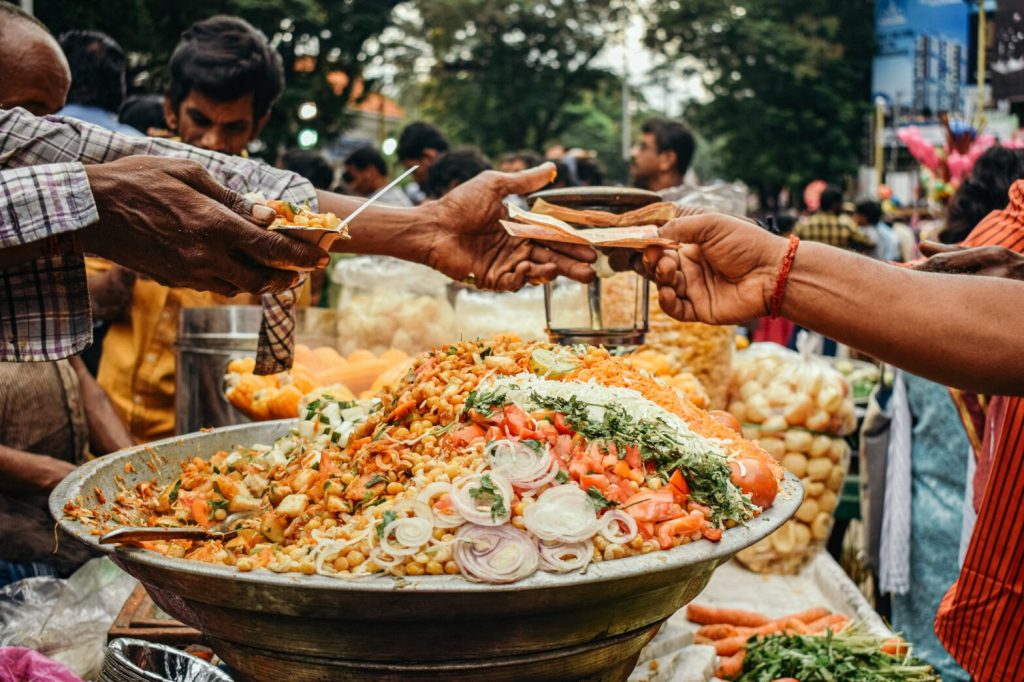
While broad niches like wellness and cultural tourism remain dominant, micro-niches (e.g., kite-surfing, bird-watching, or colonial heritage exploration) allow destinations to tap into smaller, highly engaged communities. For instance, Bermuda’s kiteboarding campaign achieved 90% engagement by directly targeting this passion group.

Passion Niches – The Wider Landscape
Passion Travel includes established niches like culinary tourism, with travelers engaging in cooking classes or vineyard tours to taste the flavors of the region authentically. Adventure tourism pushes the limits with activities like trekking, while wellness tourism allows travelers to find tranquility through spas and retreats. Cultural tourism, on the other hand, gathers history buffs and art enthusiasts eager to delve into the narrative of a place.

Micro-Niches – Diving Deeper
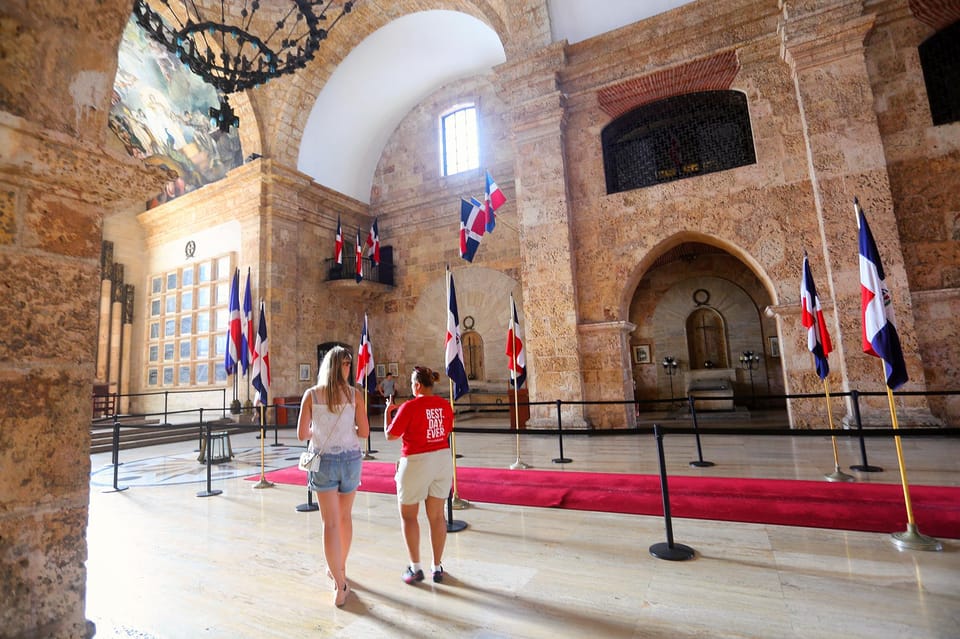
The future of Passion Travel lies in the discovery of micro-niches. Be it the thrill of kite-surfing, the peace of bird-watching, the knowledge gained from horticultural tours, the nuanced tastes of rum sampling, or exploring the colonial heritage in Asia, these micro-niches offer travelers highly specialized experiences that perfectly align with their passions.
Key Micro-Niche Categories
- Primary Micro-Niches: Established, high-demand segments within broader categories. Examples include:
- Luxury Surfing Experiences: Surf schools or premium surf camps tailored for families or couples.
- Culinary Wellness Retreats: Combining local food experiences with wellness practices.
- Astro-Tourism: Stargazing tours in designated dark-sky reserves for astrophotography enthusiasts.
- Luxury Surfing Experiences: Surf schools or premium surf camps tailored for families or couples.
- Secondary Micro-Niches: Emerging segments with long-term potential. Examples include:
- LGBTQ+ Hiking Groups: Exclusive guided hikes focused on inclusivity and community.
- Industrial Heritage Explorers: Tours highlighting historic factories, railroads, or maritime industries.
- Conservation Voluntourism: Engaging travelers in marine or wildlife preservation efforts.
- LGBTQ+ Hiking Groups: Exclusive guided hikes focused on inclusivity and community.
Micro-niche strategies offer destinations a competitive edge by reducing dependence on saturated mass-market tourism while fostering higher emotional investment and economic return (Dolnicar, 2021).
The Role of Passion in Travel Decisions
Passion-based tourism taps into travelers’ deep-seated interests, going beyond generic sightseeing to create immersive, meaningful experiences. These travelers often exhibit higher loyalty, longer stays, and increased spending.
Adopting Passion Travel Principles: For the travel and tourism industry, embracing passion travel offers a golden opportunity to diversify and deepen the tourist experience. It allows for a more distributed form of tourism, potentially alleviating pressure on over-visited destinations and highlighting underexplored areas.
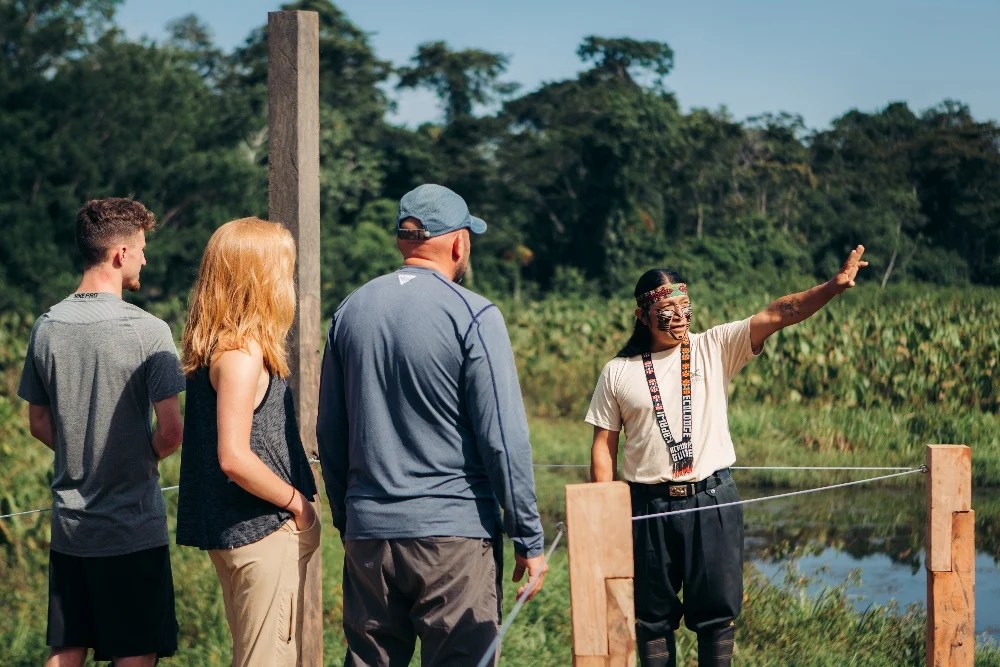
Driving Economic Equitability: Passion travel, by virtue of its personalized and niche focus, can foster local economies. By connecting tourists directly with local artists, chefs, guides, and experts, it ensures that tourism dollars benefit community members directly.
Responsibility and Sustainability: A passion travel approach encourages responsible tourism. Travelers engaged deeply with their interests are likely to be more respectful of the cultures and environments they’re immersing themselves in. They’re also more likely to support sustainable practices and conservation efforts, aligning their travel with their values.

Understanding Passionography
Coined by Destination Think, passionography is the study of traveler behaviors and decision-making based on specific interests. This approach allows destinations to:
- Craft bespoke itineraries.
- Identify high-potential micro-niches.
- Optimize marketing messages to resonate with their target audience (Destination Think, 2021).
Spotlight on Brands and Destinations
Travel brands such as British Airways have tailored their offerings by spotlighting unique experiences around the world, while innovative lodging options offered by AirBnB allow travelers to stay in places that further their passion. For example, a culinary enthusiast might choose a villa in Tuscany artistically designed for gastronomy lovers. Additionally, destinations like Singapore, through their ‘Passion Made Possible’ campaign, have managed to resonate deeply with travelers by showcasing the city-state’s multifaceted charm and possibilities.

Tourism Boards: Crafting Passion Destinations
Tourism boards face the intricate task of positioning their destinations as cradles for diverse passions. It involves curating authentic experiences that reflect the destination’s soul and ensuring sustainable practices that preserve this genuineness. Yet, challenges persist, including the balancing act of promoting tourism without over-commercializing, which can dilute the authenticity. Opportunities lie in utilizing social media and influencer partnerships to reach niche markets effectively.

Hotels: Becoming Passion Hubs
Similarly, hotels and hospitality entities must reinvent themselves as more than accommodations but as gateways to passion-fueled adventures. They have to foster connections with local artisans, guides, and experts to deliver an all-embracing experience. Challenges here include maintaining consistency in authentic offerings and facing the threat of global players who might overshadow smaller, local experiences. Yet, personalized services and unique thematic stays serve as opportunities to stand out.

The Ripple Effect of Passion Tourism
Passion Tourism serves as a force for good, driving balanced tourism by spreading visitors across various interests and niches, thus preventing over-tourism in conventional hotspots. It encourages deep integration with local communities, creating mutually beneficial relationships and fostering economic growth.
Attracting High-Yield Travelers through Niche Focus
Strategically focusing on niches and micro-niches helps attract high-yield travelers. These tourists are not merely looking for a place to visit but are seeking experiences that fulfill their specific passions—be it in eco-tourism, agri-tourism, or any other specialized field. They are often willing to invest more for these tailored experiences, thus contributing significantly to local economies.

Creating Passionate Advocates
Individuals who travel based on their passions, particularly within micro-niches, have the potential to become incredibly ardent advocates for a destination. Their authentic storytelling can spark interest and loyalty within their respective like-minded individuals within their own communities or “passion tribes,” reducing the tourism board’s need for extensive marketing spend. By bringing together like-minded individuals, these passionate travelers can forge a sense of community and belonging around the destination, significantly increasing repeat visitation rates. This form of organic promotion not only reduces marketing expenditures for tourism boards but also attracts a targeted audience that is likely to be deeply engaged and appreciative of the specialized offerings of the destination. Furthermore, authentic storytelling by these visitors can foster a sense of loyalty and encourage repeat visitations, amplifying the destination’s appeal through personal narratives and genuine endorsements.
Experience and Product Development
For destinations to truly capitalize on this dynamic, it is crucial to develop and refine products and services that cater specifically to these niche markets. Creating comprehensive hubs that cater to particular interests can position a destination as a leader in specific fields, such as a primary location for wine connoisseurs, adventure seekers, or art enthusiasts. This specialization not only enhances the destination’s attractiveness but also maximizes visitor satisfaction.

Sentiment Analysis
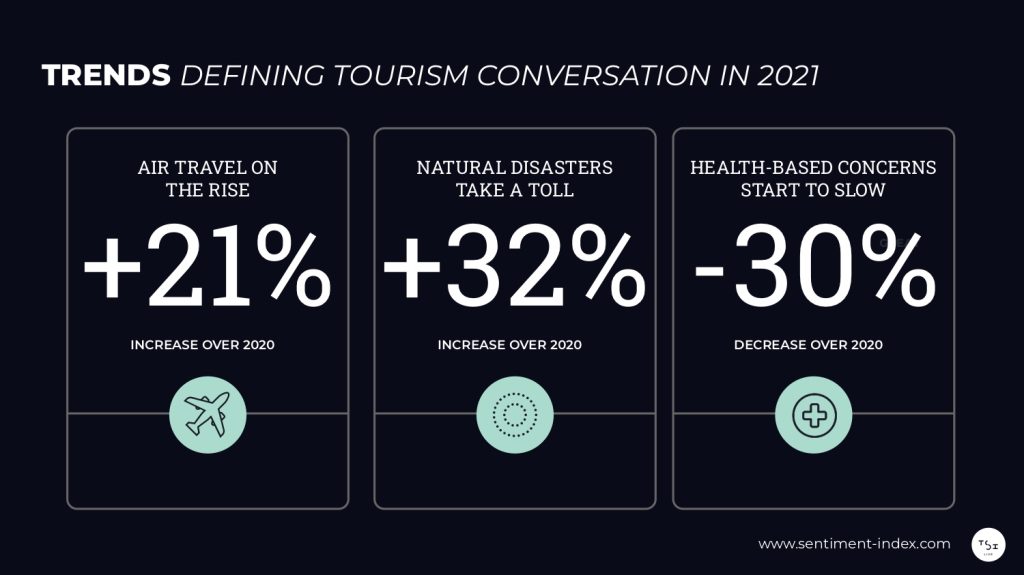
Employing visitor sentiment analysis is an innovative approach to identifying these micro-niches and understanding the nuanced preferences of different traveler groups. This data can reveal emerging trends and overlooked niches that possess growth potential, providing invaluable insights that can guide the development of targeted marketing strategies and product offerings. Additionally, sentiment analysis can pinpoint areas of improvement, ensuring that the needs and expectations of niche travelers are met, thereby improving overall visitor experiences and reinforcing the destination’s reputation as an accommodating and favored choice among passionate travelers.
What Destination Marketing Needs
To position itself as a passion destination, a tourism board needs to:
- Identify Existing Passions: Research prevailing passions within domestic and international markets.
- Showcase Authenticity: Highlight authentic experiences that align with those passions.
- Partner with Passionate Individuals: Collaborate with influencers, experts, and enthusiasts within these niche communities.
- Challenges and Opportunities: Potential challenges lie in identifying diverse niches and creating tailored experiences for them. The upside is attracting loyal, high-yielding tourists.
Strategic Framework for Micro-Niche Tourism to attract High-Yield Travelers
To implement effective micro-niche strategies, destinations must adopt a structured approach:
1. Comprehensive Market Research
Utilize advanced analytics and tools like sentiment analysis to identify emerging micro-niches. For instance, analyzing search trends and social media engagements can reveal new opportunities like eco-friendly food tours or high-tech urban experiences (Li et al., 2018).
2. Development of Authentic Experiences
Align offerings with micro-niche interests, such as:
- Creating bird-watching sanctuaries for avian enthusiasts.
- Hosting whisky distillery tours for connoisseurs in culturally rich regions (Pellicone, 2021).
3. Digital Storytelling and Engagement
Leverage social media and influencer marketing to tell compelling stories that connect with niche audiences. Emotions play a pivotal role in passion travel. Tapping into the heartstrings of travelers through powerful storytelling and evocative imagery can cultivate a profound sense of purpose and motivation to explore. When destinations and tourism brands evoke a sense of excitement, wonder, joy, or a feeling of belonging, they establish an immediate connection with their ideal audience. Platforms like Instagram and TikTok are ideal for showcasing visual experiences, while YouTube can offer in-depth explorations (Gretzel et al., 2015).
4. Collaboration with Local Stakeholders
Engage communities and businesses to co-create offerings, ensuring economic benefits flow locally. For example, pairing small artisans with heritage tours can enhance authenticity and value (Scheyvens & Biddulph, 2018).
5. Sustainability as a Core Principle
Integrate eco-conscious practices into offerings to align with the growing preference for responsible travel. Sustainable strategies, such as reducing tourism leakage and promoting low-impact activities, are essential for long-term success (Font & McCabe, 2017).
6. Convergence of Passion, Authenticity, and Trust
Authenticity and trust are pivotal in converting interest into passion. Geographic Indicators (GIs) play a significant role here. For instance, purchasing Darjeeling tea or authentic Parmigiano-Reggiano cheese or Kampot pepper from Cambodia allows consumers to experience a genuine taste of the region. Similarly, GIs help ensure that cultural experiences, like traditional Maori performances in New Zealand, are both authentic and respectful of cultural heritage.
Case Studies: Success in Micro-Niche Tourism
- Singapore’s “Passion Made Possible” Campaign
Singapore Tourism Board redefined its positioning by showcasing the country as a hub of diverse passions. By categorizing offerings into “Passion Tribes,” such as Foodies, Culture Shapers, and Action Seekers, the campaign achieved remarkable success in attracting high-yield travelers.
- Bermuda’s Kiteboarding Campaign
Bermuda targeted kiteboarders by curating specialized experiences and leveraging social media, resulting in unprecedented engagement and a boost in tourism from this micro-niche (Destination Think, 2021).
- New Zealand’s Middle-earth Tourism
By leveraging its association with The Lord of the Rings, New Zealand created a global micro-niche, attracting high-yield film enthusiasts. Specialized tours, themed accommodations, and events generated significant economic and cultural impact.
- Costa Rica’s Eco-Tourism Model
Costa Rica positioned itself as a biodiversity hotspot, catering to wildlife enthusiasts and conservation volunteers. This approach brought in high-value travelers while protecting its natural assets (Hunt et al., 2015).
- Japan’s Whisky Tourism
Japan’s whisky heritage has evolved into a micro-niche market, attracting international aficionados to distillery tours, tastings, and exclusive releases (Pellicone, 2021). Other destinations, such as Barbados, which has capitalized on being the birthplace of Rum, have developed experiences to attract Rum afficionados.
Future Directions for Micro-Niche Tourism
The future of micro-niche tourism lies in integrating advanced technology, fostering innovation, and prioritizing community engagement:
- Hyper-Personalization: Use AI and machine learning to curate individualized itineraries based on traveler data and preferences.
- Immersive Technologies: Implement virtual and augmented reality to enhance pre-trip planning and on-site experiences (Tussyadiah et al., 2018).
- Community Empowerment: Encourage locals to design and lead micro-niche offerings, preserving authenticity while distributing benefits equitably.
Unlocking Passion Travel’s Potential for a Balanced and Equitable Tourism Ecosystem
The adoption of passion travel strategies holds great promise for the industry:
- Dispersing Visitors: Promoting niche passion experiences across a destination can help mitigate overtourism in hotspots and spread economic benefits to lesser-known areas.
- Community-Centered Tourism: Facilitating meaningful interactions between passionate travelers and local communities can fuel sustainable tourism models that empower and benefit residents.
- High-Yield Travelers: Travelers driven by passion often stay longer, spend more, and return more frequently.
- Cultural Preservation: Passion travel can ignite interest in preserving local heritage, traditional crafts, and unique ways of life, providing both social and economic benefits to communities.

This approach directly linked to our efforts to assist travel and tourism organizations from destinations, DMCs, hotels, attractions, and retail to rethink their tourism growth strategy to focus on high-yield travelers to increase profits and reduce leakages while balancing economic and social impacts for long-term resilience. Please see more information at High-Yield Tourism, and follow our podcast on Spotify and Apple Podcast, and join the conversation on our LinkedIn and Facebook groups.
Also please read the the very interesting and relevant article on the Good Tourism Blog: Don’t forget niches: Marketing to micro-communities for sustainable tourism growth
References
- Destination Think. (2021). Passionography: The future of destination marketing. Retrieved from https://destinationthink.com/blog/passionography-future-destination-marketing/
- Dolnicar, S. (2021). Designing for different types of tourists – from theory to practice. Tourism Management, 82, 104155.
- Font, X., & McCabe, S. (2017). Sustainability and marketing in tourism: Its contexts, paradoxes, approaches, challenges and potential. Journal of Sustainable Tourism, 25(7), 869–883.
- Gretzel, U., Sigala, M., Xiang, Z., & Koo, C. (2015). Smart tourism: foundations and developments. Electronic Markets, 25(3), 179–188.
- Hunt, C. A., Durham, W. H., Driscoll, L., & Honey, M. (2015). Can ecotourism deliver real economic, social, and environmental benefits? A study of the Osa Peninsula, Costa Rica. Journal of Sustainable Tourism, 23(3), 339–357.
- Li, J., Xu, L., Tang, L., Wang, S., & Li, L. (2018). Big data in tourism research: A literature review. Tourism Management, 68, 301–323.
- Pellicone, F. (2021). Whisky tourism: Identity, culture, and consumption. Channel View Publications.
- Scheyvens, R., & Biddulph, R. (2018). Inclusive tourism development. Tourism Geographies, 20(4), 589–609.
- Tussyadiah, I. P., Wang, D., Jung, T. H., & tom Dieck, M. C. (2018). Virtual reality, presence, and attitude change: Empirical evidence from tourism. Tourism Management, 66, 140–154.
- Singapore Tourism Board. (2017). Passion Made Possible Campaign. Retrieved from visitsingapore.com
- Australian Tourism Export Council. (2016). Tourism Export Toolkit. Retrieved from tourism.australia.com
About the Author
With over 30 years of global travel and tourism expertise, Dr. Jens Thraenhart is the Founding Partner of 25-year-old bespoke strategy consulting firm Chameleon Strategies, co-founder of High-Yield Tourism, the 2nd Vice Chair of the World Tourism Organization’s UN Tourism Affiliate Members, the former Chief Executive Officer of the Barbados Tourism Marketing, Inc. (Visit Barbados), the former Executive Director of the Mekong Tourism Coordinating Office, the founder of private-sector-led tourism marketing organization Destination Mekong, and former Board Member of the Caribbean Tourism Organization (CTO). Recently consulting for the Saudi Tourism Authority, and previously active in China, in 2009, he co-founded acclaimed marketing agency Dragon Trail and published the China Travel Trends books and website. Jens has also held leadership positions with Destination Canada and Fairmont Hotels & Resorts (now Accor). As founder of the Destination Film Forum, he is also a big proponent of the power of storytelling, having been recognized as one of the top 10 Most Influential Leaders in Travel in 2022 by Travel Vertical, ranking first in the category of Creativity and Brand Storytelling, and served on the Jury of the Cannes Lion International Film Awards. Other recognitions for his work include being one of the travel industry’s top 100 rising stars by Travel Agent Magazine in 2003, one of HSMAI’s 25 Most Extraordinary Sales and Marketing Minds in Hospitality and Travel in 2004 and 2005, one of the Top 20 Extraordinary Minds in European Travel and Hospitality in 2014, and honored as one of the Global Travel Heroes in 2021. He completed his Doctor in Tourism Management at The Hong Kong Polytechnic University and graduated from Cornell University with a Masters in Hospitality Management.
 BALANCED TOURISM
Leave a comment