
By Dr. Jens Thraenhart (December 2024)

Introduction
Stephen Covey’s book, The 7 Habits of Highly Effective People, has inspired leaders across industries to adopt balanced and purpose-driven approaches to success. Adapting Covey’s principles to tourism, this article explores how destinations can cultivate sustainable growth, community inclusivity, and long-term tourism excellence.
In an increasingly complex global tourism landscape, destinations are seeking strategies that balance economic growth with sustainability, inclusivity, and long-term resilience. The Seven Habits of Highly Effective Destinations present a framework that integrates purpose-driven actions, community engagement, sustainability, and innovative marketing. This approach, rooted in the principles of competitive destination management (Ritchie & Crouch, 2003), provides a roadmap for creating destinations that are not only visited but cherished, and to drive high-yield tourism.
Adapting “Covey’s”The 7 Habits of Effective People” principles to Tourism:
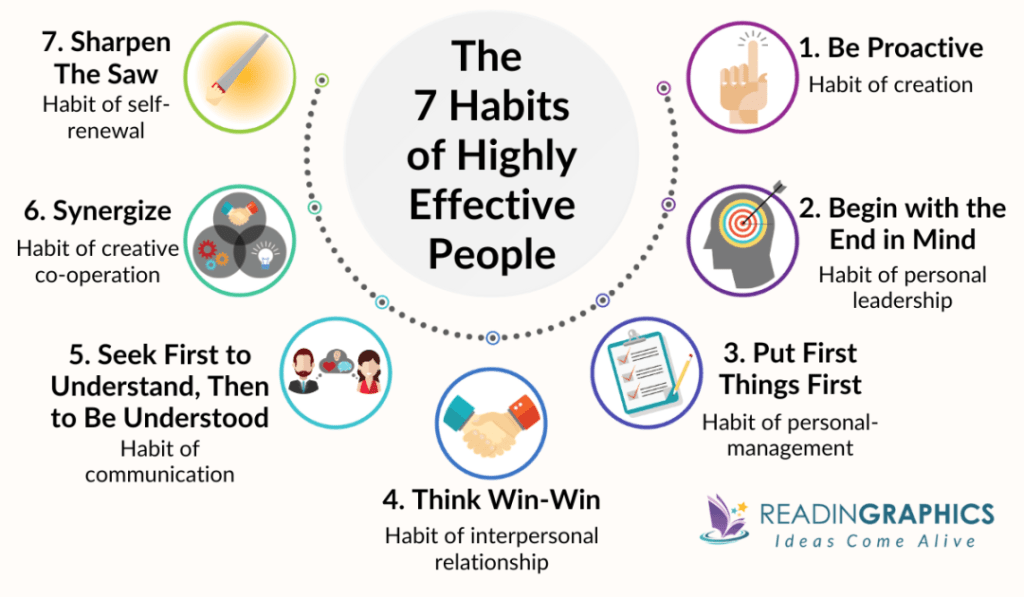
- Be Proactive: Align with the habit of purpose-driven tourism (“Start with Why”).
- Begin with the End in Mind: Integrate long-term vision into destination management planning.
- Put First Things First: Prioritize sustainability, community well-being, and stakeholder engagement.
- Think Win-Win: Foster collaboration among public and private sectors and communities.
- Seek First to Understand, Then to Be Understood: Emphasize stakeholder and resident sentiment analysis.
- Synergize: Combine strengths of diverse stakeholders to drive innovation.
- Sharpen the Saw: Continuously measure and improve performance, ensuring resilience and adaptability.
Defining Effective Destination Management
Effective Destination Management is the strategic alignment of tourism activities to maximize economic, social, and environmental benefits while minimizing negative impacts, in order to drive high-yield tourism and economic value. It requires a collaborative approach that engages residents, visitors, and stakeholders to create a balanced and resilient tourism ecosystem (Ritchie & Crouch, 2003). At its core, effective management is about ensuring that tourism serves as a catalyst for inclusive growth—creating jobs, building infrastructure, alleviating poverty, and enhancing residents’ quality of life (UNWTO, 2022).
Tourism Excellence embodies a destination’s ability to deliver meaningful, memorable, and sustainable experiences. It reflects success in achieving a harmonious balance between economic development, community inclusivity, and environmental preservation. The hallmark of excellence is not just increased visitation but fostering a destination that is cherished by visitors and celebrated by residents (Hall, 2019).
The Highly Effective Destination Metric: Balanced Tourism Impact
The ultimate measure of a Highly Effective Destination is the Balanced Tourism Impact Score—a composite index reflecting a destination’s ability to balance economic growth, community satisfaction, and sustainability (UNWTO, 2022). This metric integrates the following key performance indicators (KPIs):
- Economic Value
- Visitor expenditure: Total spending by tourists, segmented by categories such as accommodation, attractions, and dining (Ritchie & Crouch, 2003).
- Tourism’s contribution to GDP: The proportion of the local economy supported by tourism (OECD, 2023).
- Job creation: Direct and indirect employment generated by the industry (Sheehan et al., 2016).
- Seasonality Index: Distribution of visitor numbers across the year, promoting off-peak visitation (UNWTO, 2022).
- Community Inclusivity
- Resident sentiment: Percentage of residents who positively view tourism’s impact, fostering harmony between locals and visitors (Jamal & Getz, 1995).
- Inclusivity metrics: Share of tourism benefits reaching marginalized groups, such as rural communities or women-led enterprises (European Travel Commission, 2022).
- Quality of life: Improvements in infrastructure, healthcare, and education driven by tourism (Hall, 2019).
- Environmental and Cultural Sustainability
- Carbon footprint: Greenhouse gas emissions per tourist or trip, highlighting sustainable practices (Hall, 2019).
- Biodiversity preservation: Investments in conservation and protected areas, like Palau’s visitor-driven conservation fund (Palau Ministry of Tourism, 2017).
- Cultural preservation: Number of cultural events supported by tourism revenue, preserving traditions and heritage (Morgan et al., 2011).
- Visitor and Resident Harmony
- Visitor satisfaction: Feedback scores and Net Promoter Scores (NPS) reflecting the likelihood of visitors recommending the destination (Morgan et al., 2011).
- Resident engagement: Levels of community participation in tourism decision-making, promoting inclusivity (Ritchie & Crouch, 2003).
Core Principles of Highly Effective Destinations
- Economic Catalyst: Tourism drives tangible economic benefits, supporting job creation and local businesses (UNWTO, 2022).
- Community Empowerment: Residents are actively engaged and benefit from tourism, fostering inclusivity and pride (Jamal & Getz, 1995).
- Sustainability: Resources are managed responsibly, ensuring the destination’s longevity for future generations (Hall, 2019).
- Resilience and Adaptability: Destinations monitor performance and adapt to evolving challenges and trends (Sheehan et al., 2016).
By adopting the principles and strategies outlined in The 7 Habits of Highly Effective Destinations, tourism boards and destination management organizations can align their strategies with the core principles of effectiveness and can achieve tourism excellence by fostering harmony and driving value for visitors, residents, and stakeholders alike, while ensuring long-term resilience.
Habit 1. Start with Why
Understanding the purpose behind tourism is foundational. Place branding is foundational for defining a destination’s purpose and ensuring that its reputation aligns with its vision and values. A destination’s “why” defines its unique value proposition and aligns tourism’s benefits with societal needs. Purpose-driven tourism emphasizes enhancing the quality of life for residents while creating meaningful experiences for visitors. Bhutan’s Gross National Happiness framework ensures tourism remains purpose-driven, prioritizing environmental conservation, cultural preservation, and local well-being. Strict visitor caps and sustainable tourism policies maintain its authenticity and align with its brand identity. This habit connects with the idea that a “great place to live is a great place to visit,” emphasizing the importance of creating a community-first approach to tourism development.
Key Details:
- Purpose-Driven Strategy: Destinations that define a clear purpose create coherent strategies. For instance, Bhutan’s Gross National Happiness framework aligns tourism with well-being and cultural preservation goals (UNWTO, 2022).
- Integration with Cultural Identity: Place branding ensures destinations communicate their authenticity. Japan’s “Cool Japan” initiative ties traditional heritage with modern creativity, resonating with diverse audiences (Anholt, 2007).
- Strategic Positioning: Destinations like New Zealand’s “100% Pure” campaign have established global brand recognition that reflects its natural and sustainable focus (Morgan et al., 2011).
Best Practice Case Study: Singapore’s “The Impossible Story”
In 2018, Singapore’s Economic Development Board launched “The Impossible Story,” a branding campaign showcasing Singapore’s journey from a small island nation to a global economic and cultural powerhouse. The campaign emphasized Singapore’s unique ability to turn challenges into opportunities, reinforcing its brand as a hub for innovation, sustainability, and cultural diversity.
Best Practice Case Study: Bhutan’s “Gross National Happiness Index (GNH)”
Bhutan’s tourism strategy is based on its Gross National Happiness (GNH) philosophy, which prioritizes overall well-being and happiness over economic growth. The country’s tourism model is known as “controlled tourism”.
Key Action Points:
- Develop a tourism purpose that prioritizes community well-being alongside economic growth.
- Use metrics like the Happiness Index and resident satisfaction to gauge success (UNWTO, 2022).
- Align branding efforts with a destination’s cultural identity and values, ensuring authenticity and longevity.
- Use visitor surveys and resident sentiment data to refine a clear and compelling “why.”
- Align place branding with measurable goals like sustainability certifications and community engagement metrics.
Habit 2. Empower People
Tourism thrives when stakeholders, especially local communities, are actively involved. Empowering people fosters inclusivity, resilience, and innovation, ensuring that tourism benefits extend equitably across society (Jamal & Getz, 1995).
Tourism’s success depends on the active participation of diverse stakeholders, including local communities, government agencies, and private enterprises. Empowering these groups fosters innovation, resilience, and inclusivity.
Key Details:
- Inclusivity in Decision-Making: Empower marginalized groups by integrating their perspectives into tourism planning. For example, indigenous tourism programs in Canada promote cultural representation and economic opportunity (Bramwell & Lane, 2000).
- Capacity Building: Local communities benefit from skill-development programs tailored to digital marketing and sustainability in tourism (Hall, 2019).
- Community Ambassadors: Initiatives like Sweden’s “Call a Random Swede” empower residents to share authentic stories, fostering trust and emotional connections with visitors (Anholt, 2007).
Best Case Study: Indigenous Tourism in Canada
Canada’s Indigenous Tourism Association empowers First Nations communities by promoting cultural tourism experiences. Training programs ensure economic benefits while preserving cultural heritage.
Best Case Study: Sweden’s “Call a Random Swede”
The Swedish initiative “Call a Random Swede” showcased how empowering residents to act as tourism ambassadors fosters engagement and authenticity.
Key Action Points:
- Engage communities through bottom-up consultation processes (Jamal & Getz, 1995).
- Offer training and development programs to build capacity in tourism and related industries.
- Support initiatives that preserve cultural heritage and empower local entrepreneurs.
- Develop partnerships with educational institutions to offer tailored courses for tourism stakeholders.
- Create mechanisms to measure the inclusivity and effectiveness of empowerment programs.
Habit 3. Build Communities
Tourism is inherently about connections. Building strong communities among residents, businesses, and visitors fosters shared value creation. Public-private partnerships (PPPs) play a vital role in driving inclusive growth and innovation. Collaboration between stakeholders fosters trust, inclusivity, and economic growth (Ritchie & Crouch, 2003).
Key Details:
- Grassroots Tourism: Community-led tourism initiatives, such as cooperatives and homestays, provide direct economic benefits and empower local residents (Jamal & Getz, 1995).
- PPP Models: Public-private partnerships strengthen infrastructure and innovation, addressing common challenges such as funding and resource allocation (Bramwell & Lane, 2000).
Best Case Study: Experience Mekong Collection
The “Experience Mekong Collection” exemplifies this pillar by highlighting sustainable tourism operators across the Greater Mekong Subregion, fostering regional cooperation and community development.
Best Case Study: Caribbean Tourism’s “The Rhythm Never Stops”
“The Rhythm Never Stops” was a marketing campaign launched in late 2018 by the Caribbean Hotel and Tourism Association (CHTA) and the Caribbean Tourism Organization (CTO). The campaign was a public-private partnership between stakeholders from the public and private sectors that aimed to attract travelers to the Caribbean by highlighting its natural beauty, diverse cultures, and hidden treasures.
Key Action Points:
- Foster collaboration between the public and private sectors to improve tourism infrastructure and services.
- Support grassroots and social enterprise tourism initiatives that prioritize sustainability.
- Develop ecosystems where small businesses and multinational enterprises coexist and thrive.
- Facilitate platforms for stakeholders to co-develop tourism policies.
- Use performance indicators like employment rates and community satisfaction to track the impact of tourism on local communities.
Habit 4. Protect the Assets
Sustainability is not optional; it is a necessity for destinations to remain competitive. Protecting natural, cultural, and built environments ensures long-term viability while meeting growing traveler demand for responsible tourism (Hall, 2019).
Key Details:
- Environmental Protection: Green certifications, carbon offset programs, and sustainable infrastructure projects minimize tourism’s footprint (UNWTO, 2022).
- Cultural Preservation: Safeguarding traditions and heritage ensures that tourism contributes to cultural continuity (Ritchie & Crouch, 2003).
- Resilience Planning: Destinations must proactively address climate change risks through initiatives like water conservation and biodiversity projects (Hall, 2019).
Best Case Study: Palau Pledge
The Palau Pledge, a visitor commitment to sustainable practices, highlights how destinations can involve travelers in preserving their assets.
Best Case Study: Slovenia’s “Green Scheme”
Slovenia is the first country in the world to have been, in its entirety, declared a Green Destination of the World. A pristine green environment encourages us to act responsibly and protectively. Under the auspices of the Green Scheme of Slovenian Tourism, we implement green policies and create green experiences.
Key Action Points:
- Implement sustainability frameworks that guide regional and local planning.
- Promote responsible tourism practices to minimize environmental impacts.
- Invest in climate resilience strategies to safeguard destinations against changing global conditions.
- Implement biodiversity monitoring systems to track and mitigate environmental impacts.
- Use immersive educational campaigns to promote responsible tourism behaviors.
Habit 5. Inspire the World
Soft power and storytelling are central to inspiring global audiences. By leveraging cultural assets, values, and traditions, destinations can foster emotional connections, build trust, and enhance their global reputation (Nye, 2004). Incorporating soft power into storytelling efforts enables destinations to extend their influence beyond tourism, enhancing their global reputation and creating meaningful international relationships. Destinations must leverage the power of authentic narratives to create emotional connections that drive interest and action (Morgan et al., 2011).
Key Details:
- Cultural Diplomacy: South Korea strategically promotes its culture through entertainment (K-pop, K-dramas, and films like Parasite), cuisine, fashion, and language education via South Korea’s “K-Culture” Wave, encompassing initiatives like “Hallyu” (the Korean Wave). Campaigns such as “Imagine Your Korea” amplify these cultural exports while tying them to tourism, encouraging fans to visit iconic filming locations and cultural landmarks.
- Digital Storytelling: Platforms like Instagram, TikTok and YouTube amplify destination narratives, especially for niche markets (Morgan et al., 2011).
Best Case Study: Tourism Authority of Thailand’s Soft Power Strategy
Tourism soft power is a tool that uses tourism to promote a country’s values, beliefs, and activities to other countries. It can be used to attract tourists, improve a country’s image, and generate income for local communities. Thailand has used tourism soft power to promote its culture, cuisine, and lifestyle. The Thai government has focused on five “soft power foundations”: food, film, festival, fight (Thai martial arts), and fashion.
Best Case Study: Tourism Australia’s “Come Walkabout” Campaign
Tourism Australia’s “Come Walkabout” campaign highlighted emotional storytelling to differentiate the destination, creating a narrative of personal transformation.
Key Action Points:
- Initiatives like cultural exchanges, international events, and the promotion of local art and cuisine help position the destination as a cultural hub, fostering goodwill and long-term visitor engagement.
- Use storytelling to highlight unique cultural, natural, and experiential offerings.
- Embrace digital transformation to reach niche audiences with personalized content.
- Collaborate with private sector partners for co-created campaigns.
- Integrate advanced digital tools like VR and AR to create immersive storytelling experiences.
- Partner with global influencers to expand campaign reach while ensuring alignment with the destination’s values.
Habit 6. Create Advocates
Creating advocates—visitors, residents, and diaspora—multiplies a destination’s promotional efforts. Advocacy fosters loyalty, reduces marketing costs, and strengthens a destination’s global identity (Sheehan et al., 2016).
Key Details:
- Visitor Advocacy: Encouraging visitors to share experiences on social platforms extends the destination’s reach (Anholt, 2007).
- Diaspora Engagement: Engaging expatriates helps maintain emotional ties and expands international networks.
- Resident Pride: Programs that foster local pride create natural advocates who welcome visitors and enhance their experiences.
Best Case Study: Tourism Ireland’s “The Gathering”
Ireland’s “The Gathering” initiative mobilized the Irish diaspora to boost tourism, generating significant economic and social benefits, and demonstrated how engaging diaspora communities can reinvigorate national pride and tourism.
Best Case Study: Tourism Finland’s “Rent a Finn”
Visit Finland’s “Rent a Finn” campaign incentivized Finnish residents to promote their country by hosting visitors and sharing authentic local experiences.
Key Action Points:
- Develop loyalty programs to encourage repeat visits.
- Build community platforms where travelers can share experiences and foster a sense of belonging.
- Engage diaspora populations in destination marketing campaigns.
- Launch gamified advocacy platforms that incentivize user-generated content.
- Use loyalty programs to reward repeat visits and referrals, fostering long-term engagement.
Habit 7. Measuring Impact
Measuring impact is vital for ensuring that destination management strategies achieve their intended outcomes while adapting to evolving challenges. A balanced and comprehensive approach integrates economic, social, environmental, and experiential dimensions into performance measurement frameworks.
Key Details:
- Economic Indicators
- Visitor Expenditure: Tracks total spending by tourists, segmented by categories such as accommodation, dining, and attractions (Ritchie & Crouch, 2003).
- Tourism’s Contribution to GDP: Assesses the portion of the local economy supported by tourism activities (UNWTO, 2022).
- Job Creation: Evaluates direct and indirect employment opportunities generated by tourism (OECD, 2023).
- Seasonality Index: Measures the distribution of visitor numbers throughout the year to promote off-peak visitation (Hall, 2019).
- Social and Community Indicators
- Resident Sentiment: Captures local residents’ perception of tourism’s impact on their community (Jamal & Getz, 1995).
- Inclusivity Metrics: Evaluates the share of tourism benefits reaching marginalized groups, such as women-led enterprises and rural communities (European Travel Commission, 2022).
- Quality of Life Index: Monitors improvements in infrastructure, education, and healthcare driven by tourism revenues (Sheehan et al., 2016).
- Environmental and Cultural Indicators
- Carbon Footprint: Measures greenhouse gas emissions per tourist or trip to highlight sustainable practices (Hall, 2019).
- Biodiversity Protection: Tracks funds allocated to conservation projects and the area of natural habitats preserved through tourism initiatives (Palau Ministry of Tourism, 2017).
- Cultural Preservation: Monitors the number of cultural events supported and investments in heritage sites (Morgan et al., 2011).
- Visitor Experience Indicators
- Visitor Satisfaction: Uses surveys and Net Promoter Scores (NPS) to gauge how likely visitors are to recommend the destination (Morgan et al., 2011).
- Repeat Visitation Rate: Tracks the percentage of visitors returning to the destination, indicating loyalty and satisfaction.
- Digital Engagement: Analyzes website traffic, social media activity, and user-generated content to understand audience preferences (Sheehan et al., 2016).
Best Case Study: Destination Canada’s “Canadian Tourism Data Collective”
The Canadian Tourism Data Collective is a national analytics platform that harnesses the power of Canadian tourism data, research and insights, and shares them in an accessible and secure environment. The Data Collective encourages collaboration and conversation between tourism partners and empowers industry leaders to make smart, informed tourism decisions.
Best Case Study: UN Tourism & India’s “SDG Dashboard”
A dashboard set up by India’s G20 Presidency in partnership with UN Tourism to promote initiatives of the G20 countries in advancing SDGs through tourism.
Key Action Points:
- Develop Holistic Key Performance Indicators (KPIs): Create a balanced mix of economic, social, environmental, and experiential metrics to provide a comprehensive evaluation of tourism’s impact.
- Implement Advanced Analytics: Use tools like Geographic Information Systems (GIS) and sentiment analysis for real-time insights (UNWTO, 2022).
- Engage Stakeholders: Involve residents, visitors, and private sector partners in feedback mechanisms to ensure inclusive performance evaluation (Jamal & Getz, 1995).
- Focus on Sustainability: Prioritize indicators like carbon footprint reduction and biodiversity conservation in measuring environmental impact (Hall, 2019).
- Transparent Reporting: Share performance data with stakeholders to build trust and guide collaborative decision-making (Ritchie & Crouch, 2003).

This approach directly linked to our efforts to assist travel and tourism organizations from destinations, DMCs, hotels, attractions, and retail to rethink their tourism growth strategy to focus on high-yield travelers to increase profits and reduce leakages while balancing economic and social impacts for long-term resilience. Please see more information at High-Yield Tourism, and follow our podcast on Spotify and Apple Podcast, and join the conversation on our LinkedIn and Facebook groups.

References by Habit:
General Framework and Theoretical Foundations
- Covey, S. R. (1989). The 7 Habits of Highly Effective People: Powerful Lessons in Personal Change. Free Press.
- A foundational framework for personal and organizational effectiveness, emphasizing principles like proactivity, prioritization, collaboration, and continuous improvement. Adaptable for tourism and destination management strategies.
- Ritchie, J. R. B., & Crouch, G. I. (2003). The competitive destination: A sustainable tourism perspective. CABI Publishing.
- Comprehensive framework for sustainable destination management, foundational for the Six Pillars framework.
- UNWTO. (2022). Tourism for Development. World Tourism Organization.
- Emphasizes tourism’s role in achieving Sustainable Development Goals, with insights into purpose-driven strategies.
- Bramwell, B., & Lane, B. (2000). Tourism collaboration and partnerships: Politics, practice, and sustainability. Channel View Publications.
- Explores the importance of partnerships in sustainable destination management.
- Hall, C. M. (2019). Constructing sustainable tourism development: The 2030 agenda and the managerial ecology of sustainable tourism. Journal of Sustainable Tourism, 27(7), 1044-1060.
- Discusses frameworks for integrating sustainability into tourism planning.
1. References for Habit 1: Start with Why
- Anholt, S. (2007). Competitive Identity: The New Brand Management for Nations, Cities and Regions. Palgrave Macmillan.
- Explores the principles of place branding, highlighting how destinations can craft a compelling identity that aligns with their purpose, values, and global positioning. Essential for defining and communicating a destination’s unique attributes in a competitive tourism landscape.
- Sinek, S. (2009). Start with Why: How Great Leaders Inspire Everyone to Take Action. Penguin.
- Conceptual foundation for purpose-driven strategies, applicable to destination management.
- Ritchie, J. R. B., & Crouch, G. I. (2003). The competitive destination: A sustainable tourism perspective. CABI Publishing.
- Explains the economic and societal impacts of tourism aligned with a destination’s purpose.
- UNWTO. (2022). Tourism for Development. World Tourism Organization.
- Highlights tourism’s potential for enhancing quality of life and societal well-being.
2. References for Habit 2: Empower People
- Jamal, T. B., & Getz, D. (1995). Collaboration theory and community tourism planning. Annals of Tourism Research, 22(1), 186-204.
- Highlights stakeholder inclusion and bottom-up engagement in tourism planning.
- European Travel Commission. (2022). Tourism Trends and Opportunities Report. Retrieved from ETC website.
- Demonstrates the increasing importance of supporting local businesses in tourism.
- Swedish Tourist Association. (2016). Call a Random Swede Campaign. Retrieved from Visit Sweden.
- A case study on empowering residents as tourism ambassadors.
3. References for Habit 3: Build Communities
- Bramwell, B., & Lane, B. (2000). Tourism collaboration and partnerships: Politics, practice, and sustainability. Channel View Publications.
- Explains public-private partnerships and community-based collaboration in tourism.
- Mekong Tourism Coordinating Office. (2018). Experience Mekong Collection. Retrieved from Mekong Tourism.
- A regional example of leveraging tourism social enterprises to build resilient communities.
- Caribbean Tourism Organization. (2017). The Rhythm Never Stops Campaign. Retrieved from Caribbean Tourism.
- A PPP example showcasing how collaborative efforts build tourism ecosystems.
4. References for Habit 4: Protect the Assets
- Hall, C. M. (2019). Constructing sustainable tourism development: The 2030 agenda and the managerial ecology of sustainable tourism. Journal of Sustainable Tourism, 27(7), 1044-1060.
- Focuses on sustainability and climate resilience in destination management.
- Expedia Group. (2022). Traveler Trends Report. Retrieved from Expedia Trends.
- Highlights consumer preferences for sustainable travel.
- Palau Ministry of Tourism. (2017). Palau Pledge Initiative. Retrieved from Palau Pledge.
- An example of visitor engagement in sustainability practices.
5. References for Habit 5: Inspire the World
- Morgan, N., Pritchard, A., & Pride, R. (2011). Destination brands: Managing place reputation. Routledge.
- Explores storytelling as a key component of destination branding and marketing.
- Nye, J. S. (2004). Soft Power: The Means to Success in World Politics. Public Affairs.
- Defines the concept of soft power, emphasizing cultural diplomacy, values, and persuasion as critical tools for building influence and fostering international relationships. Relevant for tourism strategies that seek to enhance a destination’s global reputation through cultural and emotional connections.
- Tourism Australia. (2008). Come Walkabout Campaign. Retrieved from Tourism Australia.
- Case study on the power of emotional storytelling in destination marketing.
- German Rail (DB). (2019). No Need to Fly Campaign. Retrieved from German Rail.
- An innovative marketing approach promoting sustainable travel.
6. References for Habit 6: Create Advocates
- Sheehan, L., Vargas‐Sánchez, A., Presenza, A., & Abbate, T. (2016). The use of intelligence in tourism destination management: An emerging role for DMOs. International Journal of Tourism Research, 18(6), 549-557.
- Discusses the role of advocacy in transforming DMOs’ marketing strategies.
- Tourism Ireland. (2013). The Gathering Initiative. Retrieved from Tourism Ireland.
- A campaign leveraging diaspora communities to promote tourism.
- Tourism Kingston. (2019). Brand Anthem Campaign. Retrieved from Visit Kingston.
- Example of engaging locals and past visitors to build advocacy.
7. References for Habit 7: Measuring Impact
- Ritchie, J. R. B., & Crouch, G. I. (2003).The competitive destination: A sustainable tourism perspective. CABI Publishing.
- Emphasizes the importance of holistic KPIs in destination performance.
- UNWTO. (2022).Tourism for Development. World Tourism Organization.
- Discusses measuring tourism’s contributions to economic, social, and environmental goals.
- Hall, C. M. (2019). “Constructing Sustainable Tourism Development: The 2030 Agenda and the Managerial Ecology of Sustainable Tourism.” Journal of Sustainable Tourism, 27(7), 1044–1060.
- Highlights integrating sustainability into tourism planning aligned with the SDGs, emphasizing resilience and ecological management.
- Jamal, T. B., & Getz, D. (1995). “Collaboration Theory and Community Tourism Planning.” Annals of Tourism Research, 22(1), 186–204.
- Examines the role of stakeholder collaboration in enhancing tourism’s social and cultural sustainability.
- Sheehan, L., Vargas‐Sánchez, A., Presenza, A., & Abbate, T. (2016). The use of intelligence in tourism destination management: An emerging role for DMOs. International Journal of Tourism Research, 18(6), 549-557.
- Highlights advanced analytics and data-driven approaches to measuring success.
- Global Destination Sustainability Index (GDS-Index). (2023). Measuring destination sustainability performance. Retrieved from GDS-Index website.
- Benchmarking tool for evaluating sustainability performance.
- OECD. (2023).Measuring and monitoring the sustainability of tourism. Retrieved from OECD Publications.
- Framework for integrating sustainability metrics into tourism measurement systems.
References
Anholt, S. (2007). Competitive Identity: The New Brand Management for Nations, Cities and Regions. Palgrave Macmillan.
Bramwell, B., & Lane, B. (2000). Tourism collaboration and partnerships: Politics, practice and sustainability. Channel View Publications.
Covey, S. R. (1989). The 7 Habits of Highly Effective People: Powerful Lessons in Personal Change. Free Press.
Hall, C. M. (2019). Constructing sustainable tourism development: The 2030 agenda and the managerial ecology of sustainable tourism. Journal of Sustainable Tourism, 27(7), 1044-1060.
Jamal, T. B., & Getz, D. (1995). Collaboration theory and community tourism planning. Annals of Tourism Research, 22(1), 186-204.
Morgan, N., Pritchard, A., & Pride, R. (2011). Destination brands: Managing place reputation. Routledge.
Nye, J. S. (2004). Soft Power: The Means to Success in World Politics. Public Affairs.
Ritchie, J. R. B., & Crouch, G. I. (2003). The competitive destination: A sustainable tourism perspective. CABI Publishing.
Sheehan, L., Vargas‐Sánchez, A., Presenza, A., & Abbate, T. (2016). The use of intelligence in tourism destination management: An emerging role for DMOs. International Journal of Tourism Research, 18(6), 549-557.
UNWTO. (2022). Tourism for Development. World Tourism Organization.
Expedia Group. (2022). Traveler Trends Report. Retrieved from https://www.expedia.com/research.
European Travel Commission. (2022). Tourism Trends and Opportunities Report. Retrieved from https://www.etc-corporate.org/.
Global Destination Sustainability Index (GDS-Index). (2023). Measuring destination sustainability performance. Retrieved from https://www.gds.earth/gds-index/.
OECD. (2023). Measuring and monitoring the sustainability of tourism. Retrieved from https://www.oecd.org/.
Palau Ministry of Tourism. (2017). Palau Pledge Initiative. Retrieved from https://palaupledge.com/.
Swedish Tourist Association. (2016). Call a Random Swede Campaign. Retrieved from https://visitsweden.com/.
Tourism Australia. (2008). Come Walkabout Campaign. Retrieved from https://www.australia.com/.
Caribbean Tourism Organization. (2017). The Rhythm Never Stops Campaign. Retrieved from https://www.onecaribbean.org/.
Mekong Tourism Coordinating Office. (2018). Experience Mekong Collection. Retrieved from https://www.mekongtourism.org/.
German Rail (DB). (2019). No Need to Fly Campaign. Retrieved from https://www.bahn.com/.
Tourism Ireland. (2013). The Gathering Initiative. Retrieved from https://www.ireland.com/.
Tourism Kingston. (2019). Brand Anthem Campaign. Retrieved from https://www.visitkingston.ca/.
About the Author
With over 30 years of global travel and tourism expertise, Dr. Jens Thraenhart is the Founding Partner of 25-year-old bespoke strategy consulting firm Chameleon Strategies, the 2nd Vice Chair of the World Tourism Organization’s UN Tourism Affiliate Members, co-founder of High-Yield Tourism, the former Chief Executive Officer of the Barbados Tourism Marketing, Inc. (Visit Barbados), the former Executive Director of the Mekong Tourism Coordinating Office, the founder of private-sector-led tourism marketing organization Destination Mekong, and former Board Member of the Caribbean Tourism Organization (CTO). Previously active in China, in 2009, he co-founded acclaimed marketing agency Dragon Trail and published the China Travel Trends books and website. Jens has also held leadership positions with Destination Canada and Fairmont Hotels & Resorts (now Accor). As founder of the Destination Film Forum, he is also a big proponent of the power of storytelling, having been recognized as one of the top 10 Most Influential Leaders in Travel in 2022 by Travel Vertical, ranking first in the category of Creativity and Brand Storytelling, and served on the Jury of the Cannes Lion International Film Awards. Other recognitions for his work include being one of the travel industry’s top 100 rising stars by Travel Agent Magazine in 2003, one of HSMAI’s 25 Most Extraordinary Sales and Marketing Minds in Hospitality and Travel in 2004 and 2005, one of the Top 20 Extraordinary Minds in European Travel and Hospitality in 2014, and honored as one of the Global Travel Heroes in 2021. He completed his Doctor in Tourism Management at The Hong Kong Polytechnic University and graduated from Cornell University with a Masters in Hospitality Management.
 BALANCED TOURISM
Leave a comment