
By Dr. Jens Thraenhart (August 2025)
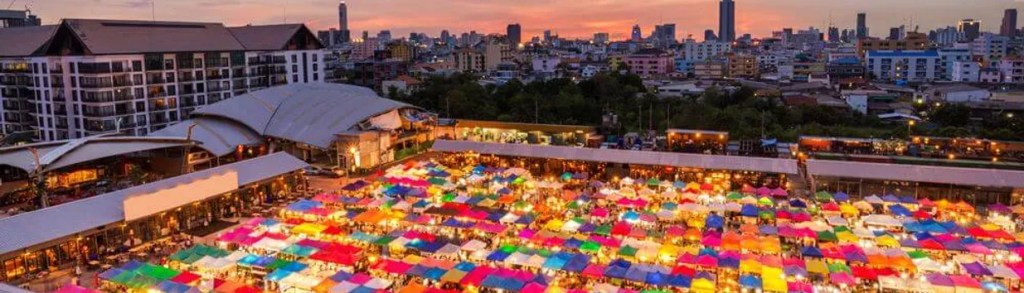
Last week at Bangkok’s Chatuchak Market, I noticed something that stopped me in my tracks. A travel influencer was filming herself “discovering” local street food, complete with scripted lines and staged excitement. Just a few stalls away, two creators—one Thai, one Canadian—were having a natural conversation with a vendor about his grandmother’s recipe. Cameras were rolling, but you could tell this wasn’t performance. It was discovery, unfolding in real time.
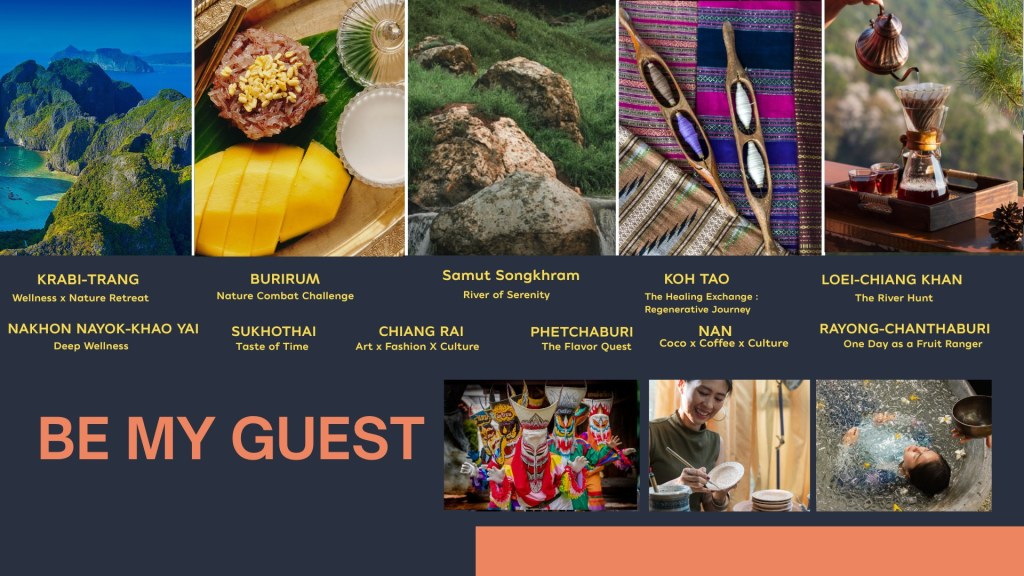
That contrast—performance versus experience—captures the essence of what Thailand’s Tourism Authority has just introduced with its new “Be My Guest” campaign. This isn’t another short-lived influencer program. It’s a bold step into what I call purposeful tourism architecture—designing experiences that don’t just market a place, but create genuine cultural value (Thraenhart, 2025).
Moving Beyond Performance Marketing
At the launch, TAT Governor Thapanee Kiatphaibool put it well: “We’re not selling destinations anymore; we’re cultivating cultural ambassadors” (Tourism Authority of Thailand, 2025). That is the shift. Tourism built on transactions—likes, views, bookings—is being replaced by tourism that builds movements through authentic connection.
The campaign is structured around two key programs:
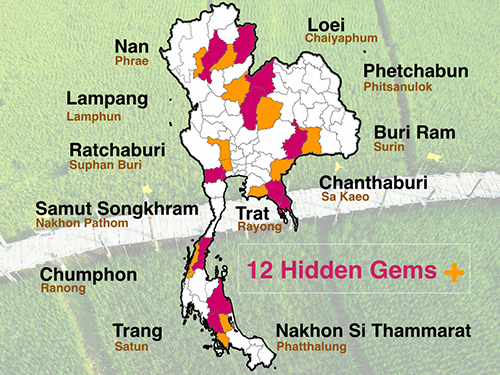
- The Soft Power Fam Trip (June 26 – July 1, 2025): Instead of inviting only influencers, TAT brought in embassy-nominated cultural figures, entrepreneurs, and international guests. They experienced curated “Thailand in the Box” journeys in provinces like Samut Songkhram, Sukhothai, and Chanthaburi—less touristy, more immersive (Tourism Authority of Thailand, 2025).
- The Rhythm of Thailand: Ten global influencers were paired with ten Thai creators to co-create content in destinations from Khao Yai to Chiang Rai. As Deputy Governor Nithee Seeprae explained, this is “content creation with intent.” It’s not about hashtags and perfect photos, but about shared narratives that cross cultures while staying rooted in Thai identity (Tourism Authority of Thailand, 2025).
The Intangibility Problem
Every destination has cultural DNA—unique values, characteristics, ways of being. But when these remain abstract, they’re useless for attracting passionate micro-niches. Concepts like “harmony with nature,” “ancient wisdom,” “warm hospitality,” “cultural richness,” or “spiritual depth” don’t drive tourism. Passionate travelers can’t book a flight to “harmony.” They need tangible entry points.
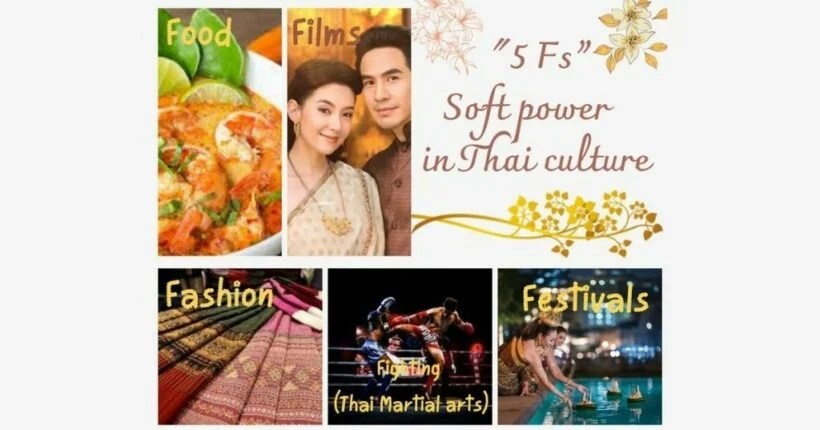
Thailand’s 5F Framework: The Blueprint for Tangibility
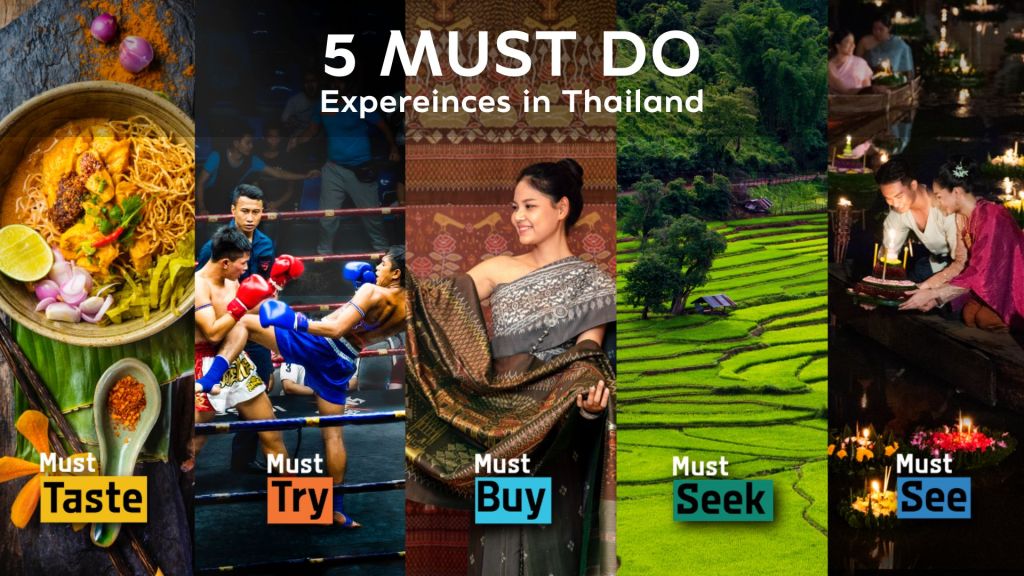
Thailand has mastered the art of transforming abstract “Thainess” into concrete experiences through its 5F framework, which serves as a cornerstone of the “Be My Guest” campaign. By focusing on Food, Film, Fashion, Fighting, and Festivals, Thailand creates specific, actionable entry points for travelers to engage with its culture (Tourism Authority of Thailand, 2023).
Food (Flavors)
Champion Product: Pad Thai
- Not just a dish—a story of national identity.
- Street food culture as democracy in action.
- Regional variations creating journey maps.
- Cooking schools as cultural immersion.
- Food festivals as gathering points.
The Multiplier: Every Pad Thai eaten abroad creates curiosity about authentic versions, driving culinary pilgrimages worth $2,000+ per visitor.
Film (Screens)
Champion Products: Tony Jaa movies, Thai horror, BL dramas
- Muay Thai films creating martial arts pilgrims.
- Horror films drawing dark tourism tribes.
- Boys’ Love series creating fan pilgrimages.
- Location tourism following productions.
- Film festivals as tribal gatherings.
The Multiplier: One successful film creates location visits for decades. “The Beach” still drives Koh Phi Phi tourism 20 years later.
Fashion (Style)
Champion Product: Thai Silk
- Jim Thompson story as brand narrative.
- Traditional weaving as living heritage.
- Contemporary designers modernizing tradition.
- Fashion weeks attracting style tribes.
- Textile tours creating maker connections.
The Multiplier: Fashion enthusiasts spend $5,000+ on textile journeys, commissioning pieces, learning techniques.
Fighting (Martial Arts)
Champion Product: Muay Thai
- Training camps as transformation destinations.
- Philosophy beyond physical practice.
- Ritual and spirituality integrated.
- Progression from tourist to practitioner.
- Global competitions creating community.
The Multiplier: Martial arts tourists stay 3-6 months, spending $10,000+, returning annually, recruiting training partners.
Festivals (Celebrations)
Champion Product: Songkran
- Water as blessing, not just fun.
- Regional variations creating circuits.
- Traditional elements maintaining authenticity.
- Community participation over observation.
- Year-round festival calendar.
The Multiplier: Festival travelers plan multi-week journeys, exploring beyond single events, becoming cultural advocates.
This 5F framework doesn’t just promote tourism; it creates cultural bridges that turn visitors into advocates, ensuring Thailand’s soft power resonates globally.
Why This Matters
What struck me is how this approach solves three long-standing challenges in tourism marketing:
- Spreading the benefits – By taking travelers to Loei, Sakon Nakhon, and Phetchabun, TAT is pushing revenue into regions beyond Bangkok, Chiang Mai, and Phuket.
- Creating cultural equity – Instead of short-term campaigns, Thailand is building lasting intellectual property through stories, images, and collaborations that live well beyond the trip.
- Transforming roles – Thai creators aren’t just background characters. They’re equal partners, bringing their own audiences and expertise. This empowers local creative economies rather than extracting value from them.
The Passion-Tourism Connection
In my work on the Passion-Tourism Economy, I’ve argued that modern travelers seek purpose more than pleasure. They don’t just want to consume; they want to contribute, connect, and transform.
TAT’s decision to give influencers “missions” rather than scripted itineraries reflects this shift perfectly. And the implications go far beyond tourism receipts. By projecting Thailand’s soft power through culture, the campaign strengthens industries from hospitality education to digital storytelling (Tourism Authority of Thailand, 2025).
Lessons for Other Destinations

For those of us advising destinations or building campaigns, a few clear lessons stand out:
- Authentic cultural narratives can’t be manufactured; they have to emerge from real collaboration with local communities.
- Digital reach works best when it is intentionally designed, not left to chance or trending hashtags.
- Sustainable growth requires creating value for residents as much as for visitors. That means spotlighting local creators and communities, not just catering to international demand.
From Chatuchak to the World
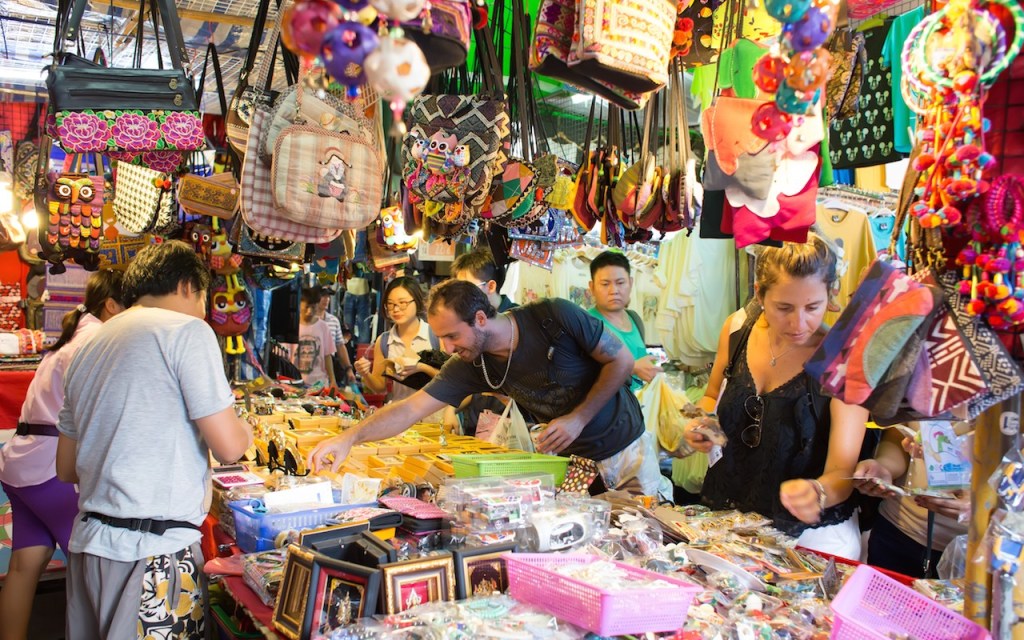
The staged performance I witnessed at Chatuchak felt hollow. The genuine exchange a few stalls away, though—that had staying power. It’s the same with tourism campaigns. Short-term influencer enthusiasm fades quickly, but authentic co-creation builds passionate communities that sustain destinations for the long term.
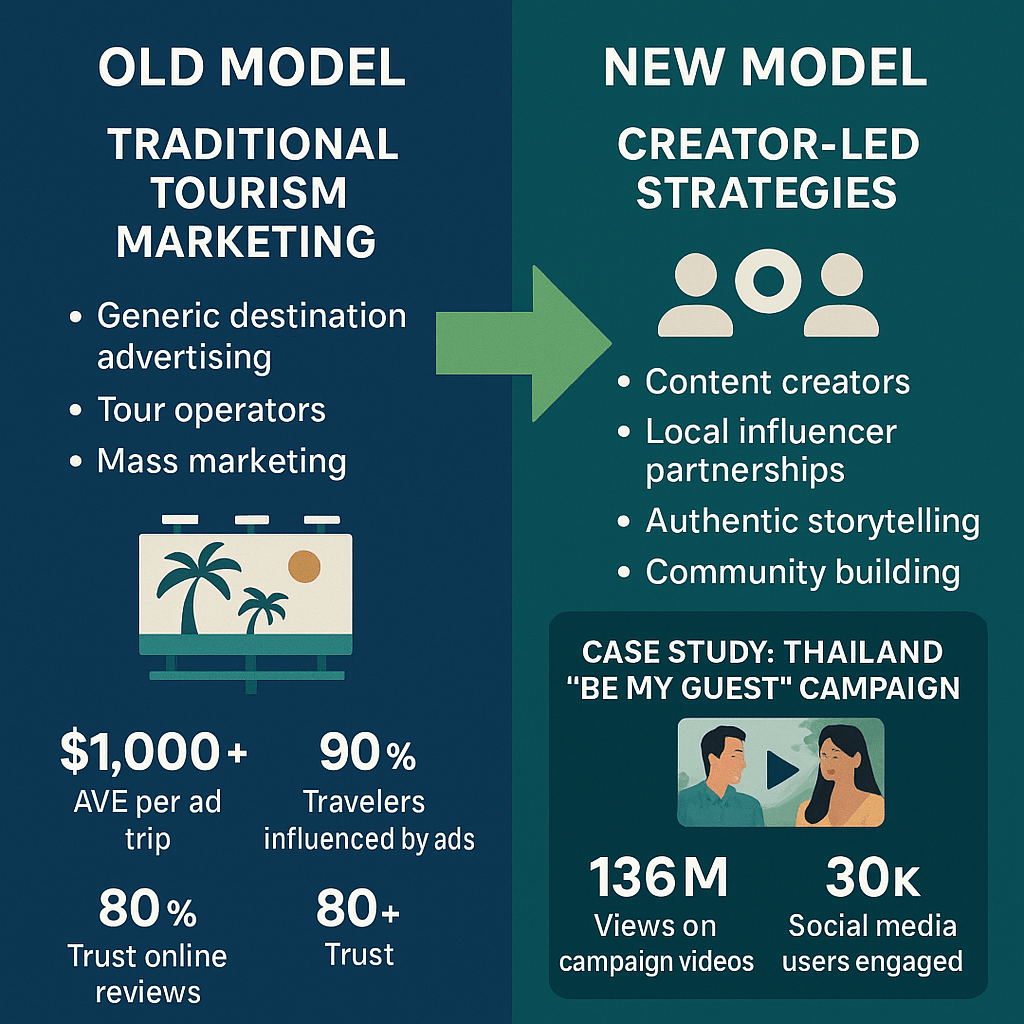
Thailand’s campaign may well set the standard for what I call Tourism 3.0—where cultural authenticity, digital storytelling, and economic development align to create lasting impact.
References
- Thraenhart, J. (2024).Driving High-Yield Tourism Through Micro-Niches and Passion-Based Strategies. Balanced Tourism Blog. https://balancedtourism.com/2024/12/05/driving-high-yield-tourism-through-micro-niches-and-passion-based-strategies/
- Tourism Authority of Thailand. (2023). Thailand’s Soft Power: The 5F Strategy for Global Cultural Influence. Tourism Authority of Thailand. https://www.tatnews.org/2023/05/thailands-5f-strategy-soft-power-cultural-influence/
- Tourism Authority of Thailand. (2025a, June 23). TAT launches international Be My Guest campaign for Amazing Thailand Grand Tourism and Sports Year 2025. Tourism Authority of Thailand. https://www.tatnews.org/2025/06/tat-launches-be-my-guest-campaign-to-spotlight-thai-soft-power-on-global-stage/

This approach directly linked to our efforts to assist travel and tourism organizations from destinations, DMCs, hotels, attractions, and retail to rethink their tourism growth strategy to focus on high-yield travelers to increase profits and reduce leakages while balancing economic and social impacts for long-term resilience. Please see more information at High-Yield Tourism, and follow our podcast on Spotify and Apple Podcast, and join the conversation on our LinkedIn and Facebook groups.
About the Author
With over 30 years of global travel and tourism expertise, Dr. Jens Thraenhart is the Founding Partner of 25-year-old bespoke strategy consulting firm Chameleon Strategies, co-founder of High-Yield Tourism, the 2nd Vice Chair of the World Tourism Organization’s UN Tourism Affiliate Members, the former Chief Executive Officer of the Barbados Tourism Marketing, Inc. (Visit Barbados), the former Executive Director of the Mekong Tourism Coordinating Office, the founder of private-sector-led tourism marketing organization Destination Mekong, and former Board Member of the Caribbean Tourism Organization (CTO). Recently consulting for the Saudi Tourism Authority, and previously active in China, in 2009, he co-founded acclaimed marketing agency Dragon Trail and published the China Travel Trends books and website. Jens has also held leadership positions with Destination Canada and Fairmont Hotels & Resorts (now Accor). As founder of the Destination Film Forum, he is also a big proponent of the power of storytelling, having been recognized as one of the top 10 Most Influential Leaders in Travel in 2022 by Travel Vertical, ranking first in the category of Creativity and Brand Storytelling, and served on the Jury of the Cannes Lion International Film Awards. Other recognitions for his work include being one of the travel industry’s top 100 rising stars by Travel Agent Magazine in 2003, one of HSMAI’s 25 Most Extraordinary Sales and Marketing Minds in Hospitality and Travel in 2004 and 2005, one of the Top 20 Extraordinary Minds in European Travel and Hospitality in 2014, and honored as one of the Global Travel Heroes in 2021. He completed his Doctor in Tourism Management at The Hong Kong Polytechnic University and graduated from Cornell University with a Masters in Hospitality Management.
 BALANCED TOURISM
Leave a comment