

Download theSaudi Outbound Tourism Playbook at: https://bit.ly/4qeIKr0
Saudis on the Move
Having spent over a year advising the Saudi Tourism Authority and witnessing firsthand the Kingdom’s remarkable transformation, I can tell you that while the world focuses on China and India’s outbound markets, a quiet revolution is happening in Saudi Arabia that savvy tourism marketers cannot afford to ignore. With outbound tourism valued at $10.86 billion in 2021 and projected to reach $25.49 billion by 2027, Saudi Arabia represents not just another emerging market, but a fundamental shift in high-yield tourism.
Walking through the bustling terminals of King Khalid International Airport in Riyadh or exploring the vibrant streets of Jeddah’s Al Balad district, you quickly realize that Saudi Arabia represents far more than another emerging travel market. This is a nation where 70 percent of the population is under 35 (Al-Jadaan, 2025), digitally sophisticated, and increasingly cosmopolitan in their travel aspirations.
They don’t just visit, they immerse, staying an average of 19 nights internationally and spending significantly above global averages. This isn’t mass tourism; it’s purposeful, culturally-rooted exploration that creates lasting economic impact for destinations that understand their unique perspective.
The opportunity is not just significant; it is transformational for destinations willing to understand and engage this unique market strategically.
The Vision 2030 Effect: Transforming Outbound Through Inbound

Saudi Arabia’s Vision 2030 isn’t just transforming the Kingdom internally, it’s revolutionizing how Saudis engage with the world. The plan’s ambitious targets – 250+ global destinations accessible by 2030, 330 million annual air passengers – signal unprecedented connectivity and cultural exchange.
This bi-directional tourism strategy creates fascinating dynamics. As Saudi Arabia develops world-class tourism infrastructure at home, from NEOM to the Red Sea Project, Saudi travelers’ expectations for international destinations evolve correspondingly. They’re no longer comparing your destination to other international markets; they’re comparing it to the ultra-luxury developments in their backyard.
Understanding Saudi Travelers: Beyond Statistics

The Saudi outbound tourism market reached USD 10.86 billion in 2021 and is projected to hit USD 25.49 billion by 2027 (Renub Research, 2024). Yet these figures only tell part of the story. During my time working with the Saudi Tourism Authority, I observed a fundamental shift in how Saudis perceive and experience travel. This is not merely about increased spending power, though with a per capita income of $27,680 (USDA, 2024), Saudi travelers certainly have it. It is about a generation redefining what travel means to them.
Solo travelers now account for 78.82% of bookings among Saudi tourists (Wego, 2025), representing a dramatic departure from traditional group travel patterns. This shift reflects the confidence and independence of young Saudi professionals and students exploring the world on their own terms. During my travels across the Kingdom, from the ambitious NEOM project site to the historic streets of Al-Balad in Jeddah, I met countless young Saudis who view international travel not as luxury but as essential to their personal and professional development.
Yet paradoxically, families still represent 42.5% of the market share (Coherent Market Insights, 2025). This apparent contradiction reveals a nuanced truth I’ve observed repeatedly: Saudis travel frequently for different purposes, seamlessly shifting between solo business trips, friend getaways, and elaborate family vacations that can involve booking entire hotel floors for privacy.
The Digital-First, Relationship-Driven Paradox
What struck me most during my advisory role was the Kingdom’s digital sophistication. Saudi Arabia’s internet penetration rate stands at 100% and 79% social media usage (World Bank, 2023), with the Kingdom ranking seventh globally for the fastest mobile internet speed (GEM Report, 2021), yet they deeply value personal relationships and trusted recommendations. This connectivity translates directly into travel behavior. Saudi travelers are not just booking online; they are researching destinations through social media, following travel influencers, and making decisions based on authentic digital content rather than traditional advertising. This creates unique engagement opportunities for destinations willing to invest in both digital excellence and human connection.
The implications for destination marketing are profound. Traditional approaches simply will not resonate with this audience. They expect personalized digital experiences, instant booking capabilities, and seamless mobile integration throughout their journey. Destinations succeeding with Saudi travelers are those embracing digital-first strategies, from Instagram-worthy experiences to WhatsApp customer service.
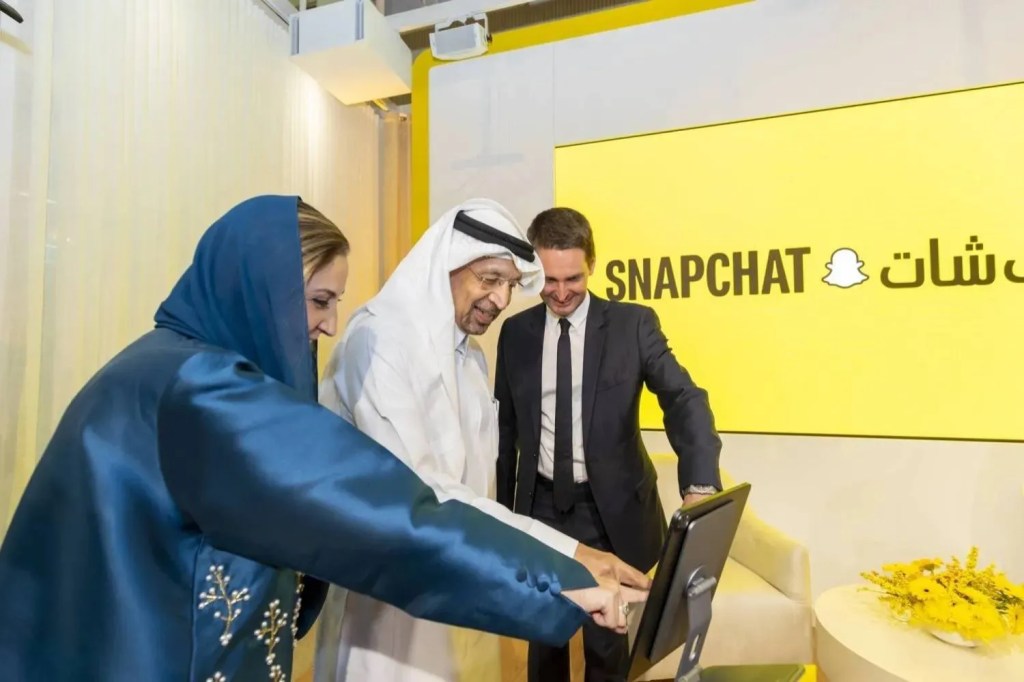
I was particularly surprised to discover that, contrary to Western markets, Snapchat is highly popular with 90% of young Saudis using the app, and on average using the app more than 50 times per day. In fact, Snapchat is a strong contributor to Vision 2030 and a booster of Saudi Arabian Culture (Dentsu MENA Study, 2024). Instagram dominates visual travel inspiration, while WhatsApp handles the practical planning within family groups.
Spending Patterns That Defy Convention

The data according to Coherent Market Insights (2025) tells a compelling story:
- 40.92% book 5-star hotels, with 32.22% choosing 4-star properties
- Average spending exceeds $300 per day for accommodation alone
- 86% prefer full-service airlines regardless of distance
- Shopping isn’t an afterthought—it’s often a primary travel motivation
But these numbers only scratch the surface. Saudi travelers seek value, not bargains. They’ll pay premium prices for unique experiences, exclusive access, and culturally-appropriate luxury. They’re not price-sensitive; they’re value-obsessed.
Redefining Luxury: The Saudi Perspective
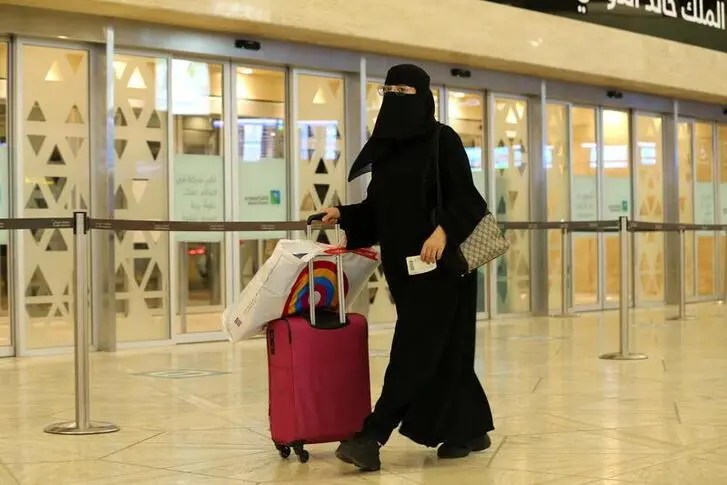
Having worked with luxury hotel brands across my career with Fairmont Hotels & Resorts and Kempinski Hotels, I thought I understood luxury travel. The Saudi market taught me to think differently. Luxury travel continues to dominate, with five-star hotels making up 40.92% of bookings and four-star hotels at 32.22% (Wego, 2025). However, Saudi luxury travelers seek something beyond traditional opulence.
They desire authenticity wrapped in comfort, cultural immersion delivered with impeccable service, and experiences that respect their values while expanding their horizons. The rise of luxury halal-compliant resorts has been instrumental in attracting Saudi tourists to new destinations (Travel And Tour World, 2025), with Vietnam seeing a staggering 322.43% increase in searches from Saudi Arabia following the introduction of such facilities.
Passion Tourism: The Saudi Connection

This brings me to the concept of Passion Tourism, which forms a cornerstone of my upcoming book and the High-Yield Tourism framework I’ve been developing with colleagues Gary Bowerman and Gerrit Kruger. Saudi travelers epitomize passion-driven tourism, pursuing their interests with remarkable dedication and investment.
Consider falconry, a tradition deeply embedded in Saudi culture. I’ve observed Saudi falconry enthusiasts traveling to Mongolia, Kazakhstan, and Scotland, spending $15,000+ per person on specialized expeditions that combine conservation science with traditional practices. These aren’t casual participants; they’re establishing ongoing relationships with conservation programs, purchasing birds, and investing in equipment that creates sustained economic impact for destinations.
Saudi participants in these programs often:
- Book 14-day exclusive falcon expeditions
- Secure private Highland estate access
- Participate in conservation science programs
- Study both traditional and modern techniques
- Visit specialized falcon hospitals
- Invest in professional photography equipment
- Purchase falcons and establish breeding programs
Other passion points gaining traction among Saudi travelers include:
Coffee Tourism: Saudi Arabia’s deep-rooted Qahwa culture creates natural bridges to global coffee destinations, from Colombian plantations to Ethiopian highlands, where they explore traditional ceremony exchanges and boutique coffee sourcing.
Wellness and Medical Tourism: Female-only spa retreats in scenic locations, combining advanced medical treatments with luxury wellness experiences that respect cultural sensitivities.
Educational Excellence: Summer programs that blend luxury accommodations with world-class education for children, particularly in STEM fields and language immersion.
Adventure Sports: Desert sports expertise translating to global adventure seeking, from sandboarding in Peru to dune bashing in Namibia.
Culinary Exploration: Halal fine dining experiences worldwide, with particular interest in Michelin-starred restaurants offering dedicated halal menus.
Strategic Markets and Evolving Preferences

The data reveals fascinating patterns in Saudi travel preferences. While traditional markets like Egypt, India, Pakistan, and Turkey remain top-searched destinations (Wego, 2025), we are witnessing diversification toward unexpected destinations. Armenia experienced a 142.68% jump in search volume after waiving visa requirements for Saudi citizens, demonstrating the market’s responsiveness to policy changes.
From my observations across Asia, having led the Mekong Tourism Coordinating Office and worked extensively in Southeast Asia, I see tremendous untapped potential for destinations like Cambodia, Laos, and Myanmar to attract Saudi visitors. These countries offer the cultural depth, natural beauty, and authentic experiences Saudi travelers increasingly seek, combined with growing halal-friendly infrastructure.
Emerging destinations gaining traction include:
- Georgia and Azerbaijan: 8% growth driven by climate appeal and cultural resonance
- Bosnia and Herzegovina: Halal-friendly European experience
- South Africa: Recent visa waiver driving interest
- Southeast Asian countries(Malaysia and Indonesia, as well as Thailand): Established halal infrastructure with modern attractions
- Central Asian Republics (Kazakhstan and Uzbekistan, as well as Kyrgyzstan): Cultural heritage and Islamic architectural treasures
The China-Saudi Tourism Corridor: An Unprecedented Opportunity

China represents an unprecedented opportunity for Saudi outbound tourism, and vice versa. Having lived in Beijing for five years, co-founding Dragon Trail in 2008 with partner George Cao, and serving as Chair for PATA China, I witnessed China’s evolution into a world-class tourism destination. Today, China possesses arguably the world’s best high-speed railway network, making domestic travel seamless for international visitors.
What fascinates me now is watching this story come full circle. During my recent stays in Riyadh, I regularly encounter Chinese business executives in hotels and restaurants, with major companies like Huawei establishing flagship stores and offices in the Kingdom. This growing business connection is creating a foundation for leisure travel in both directions.
The Saudi Tourism Authority has identified China as a top priority leisure market, and remarkably, more Saudis are learning Mandarin to leverage emerging opportunities. With Saudi Arabia targeting 5 million Chinese tourists by 2030 and China positioned strategically between East and West for Saudi travelers, we are witnessing the birth of a tourism corridor that few saw coming. The combination of increasing airlift capacity, strong bilateral political relations, and mutual cultural curiosity creates unprecedented opportunities for Chinese destinations to attract high-yield Saudi travelers seeking authentic experiences beyond traditional Western markets.
For Chinese tourism boards and businesses, the Saudi market offers remarkable potential: travelers who appreciate cultural depth, stay longer than average, and seek experiences that bridge ancient civilizations. The cultural resonance between two societies that value tradition while embracing modernity creates natural connection points. For Chinese tourism stakeholders, understanding and engaging the Saudi market now could position them at the forefront of one of tourism’s most promising bilateral opportunities.
The Spain Revelation: When Cultural Heritage Becomes the Ultimate Destination Marketing Strategy
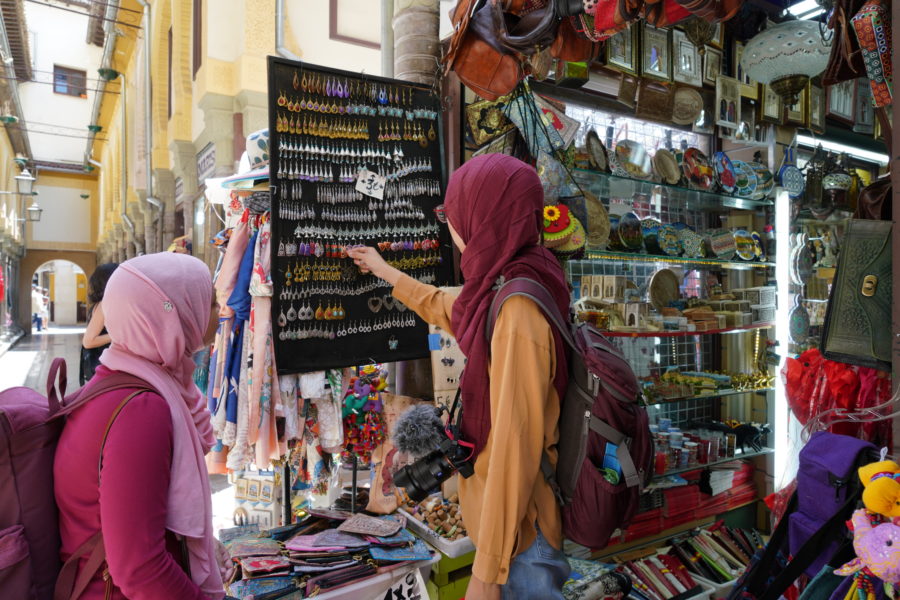
Something happened during my advisory work with the Saudi Tourism Authority that completely changed how I think about destination marketing. I kept hearing the same thing from young Saudi staff members: they were going to Spain. Not just one or two people mentioning it casually, but colleague after colleague telling me about upcoming trips to Marbella, Granada, Madrid. At first, I thought it might be coincidence, perhaps a trending social media recommendation. But after the fifth or sixth conversation, I realized something much deeper was happening, something that connected to my decades of work across Asia, from establishing Dragon Trail in China to leading the Mekong Tourism Coordinating Office. This was about cultural resonance, the kind of emotional connection that transforms ordinary travel into what I call Passion-Tourism.
When I dug into the reasons, the picture became crystal clear. Spain holds profound cultural significance for Saudi travelers because of Al-Andalus, the period when Muslim civilization flourished on the Iberian Peninsula for eight centuries. The historical connection is tangible and deeply emotional. In 2023, visitors from GCC countries spent over €1.13 billion in Spain, representing a 64.7% increase over 2022, with Saudi Arabia alone sending more than 182,000 travelers (The Agency Marbella, 2025). The Alhambra palace in Granada stands as one of the most famous monuments of Islamic architecture and one of the best-preserved palaces of the historic Islamic world (Wikipedia, 2025). For Saudi travelers, walking through the Alhambra is not simply sightseeing but rather connecting with ancestral heritage, experiencing the architectural mastery of Nasrid art where their civilization once thrived.

This connection extends throughout Andalusia. The Great Mosque of Córdoba, the palace of Medina Azahara, and the entire region carry what the Spanish Ambassador to Saudi Arabia Jorge Hevia describes as “lasting marks on Spain’s culture, language and society” from 800 years of shared history (Hevia, 2022). In architecture, language, geography, and even music, the roots of flamenco can be traced to the music of Al-Andalus. For centuries, Al-Andalus was one of the regions with the highest intellectual, artistic and scientific levels in the Western world. In the 10th and 11th centuries, Córdoba became one of Europe’s most important cities, with students and scholars flocking from across the continent (Hevia, 2022).
Yet the Saudi-Spain connection is not purely historical. Marbella and the Costa del Sol have become premier luxury summer destinations for elite travelers from Saudi Arabia and other Gulf countries, offering exclusivity, upscale experiences, and climate relief from intense summer heat (Travel and Tour World, 2025). According to Laura de Arce, Marbella City Council Tourism Director, the city “remains a top destination for this market, and is their first destination when they come on vacation, followed by Madrid and Barcelona” (Olive Press, 2025). She describes Marbella as “their second home, a safe place with mild temperatures, entertainment, shopping, great hotels, and establishments where they can enjoy themselves and feel at ease” (Olive Press, 2025). High-spending Gulf visitors have driven luxury resorts to report up to 10% increases in bookings, with Arab travelers accounting for 25-30% of total summer occupancy in upscale properties (Travel and Tour World, 2025).
The hospitality sector has adapted brilliantly. Hotels in the region cater specifically to Saudi preferences with Arabic-speaking staff, luxury car rentals, and personalized concierge services, with high-net-worth families often booking entire floors for privacy. Puerto Banús marina has become a retail hub where stores hire Arabic-speaking staff and offer bespoke shopping experiences. Madrid provides easy train access to historical cities like Toledo, Córdoba, and Seville, making it a convenient hub. Barcelona attracts Saudi tourists with its cosmopolitan appeal, historic Gothic Quarter, and accessibility as a major Mediterranean destination with significant Arab and Muslim communities.
The strategic lesson here is profound for any destination marketing to Saudi travelers or, frankly, to any high-yield market. Do not just sell your attractions. Discover and tell the stories of cultural significance that resonate with the hearts and identities of your target market. Whether it is Islamic architecture, historical connections, trade routes, culinary heritage, or cultural bridges, these narratives transform ordinary destinations into meaningful journeys. Spain succeeded not through generic luxury marketing but by understanding and honoring what matters most to Saudi travelers. The cultural connection to Al-Andalus creates an emotional pull that no advertising budget can manufacture.
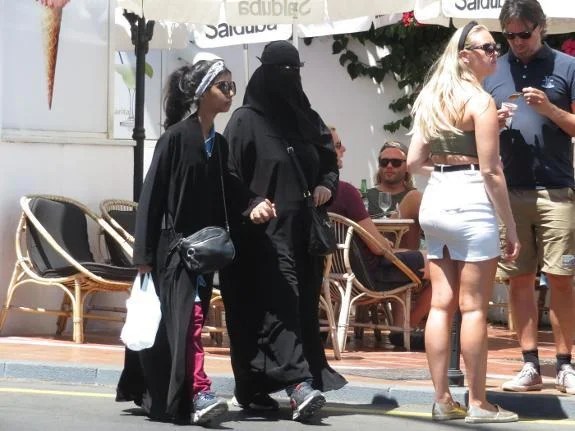
This is High-Yield Tourism at its finest. Saudi visitors to Spain stay longer than average, spend significantly above typical tourists (often €300+ daily on accommodation alone, with overall daily spending reaching €195 according to tourism expenditure surveys), and return repeatedly, often considering Marbella their second home. They book five-star hotels (40.92% of bookings), engage deeply with local culture and history, and create sustained economic impact through luxury retail, fine dining, and premium services. More importantly, they become ambassadors, recommending destinations within their extensive networks through trusted word-of-mouth.
This also exemplifies Passion-Tourism. Saudi travelers are not casually visiting Spain. They are pursuing a passionate connection to their Islamic heritage, walking the halls where their ancestors created one of history’s greatest civilizations. They are experiencing what I observed repeatedly in my work across Southeast Asia and Central Asia: when travelers connect emotionally with a destination through cultural resonance, historical significance, or personal passion points, they transform from tourists into engaged participants. They invest more time, more resources, and more emotional energy. They return. They bring their families. They become part of the destination’s story.
For destinations targeting Saudi travelers or other high-yield markets, the Spain phenomenon offers a masterclass. Invest time in understanding what creates emotional resonance for your target market. Research the historical connections, the cultural bridges, the heritage links that matter deeply to them. Then tell those stories authentically, respectfully, and compellingly. Build the infrastructure to support those connections through language capabilities, cultural sensitivity, appropriate amenities, and genuine hospitality that honors their values while expanding their horizons.
From my experience establishing tourism strategies across five continents, from China to the Caribbean, from Southeast Asia to West Asia, I have learned that sustainable, high-yield tourism is built on these deep cultural connections. Spain understood this instinctively regarding Saudi travelers, and the results speak for themselves. Other destinations would be wise to follow this blueprint, not by copying Spain’s approach but by discovering their own unique cultural significance for their target markets. That is the future of High-Yield Tourism, and it starts with listening to what travelers are telling you, just as those young Saudi Tourism Authority staff told me about Spain.
The High-Yield Tourism Connection

This brings me to the concept of High-Yield Tourism, which I have been developing with my colleagues Gary Bowerman and Gerrit Kruger. Saudi outbound travelers epitomize the high-yield visitor profile: they stay longer, spend more, and engage deeply with local cultures. Saudi tourists are seeking destinations that provide cultural depth and meaningful interactions (Wego, 2025), aligning perfectly with the principles of sustainable, value-driven tourism.
During my tenure with Barbados Tourism and through my work across the Caribbean, I witnessed how destinations focusing on high-yield strategies could transform their tourism economies. Saudi travelers, with their preference for extended stays and premium experiences, represent exactly the type of visitors destinations need to build resilient, sustainable tourism sectors.
Vision 2030: The Catalyst for Change
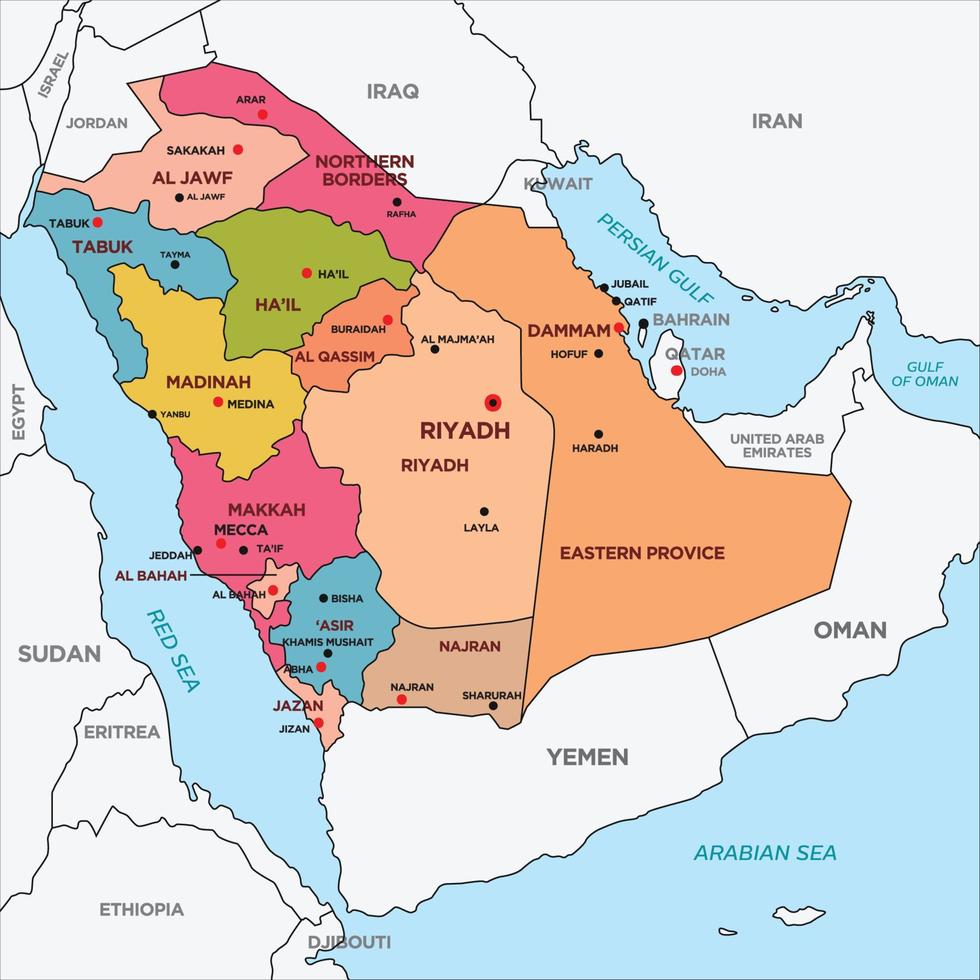
The Kingdom’s Vision 2030 initiative, which I have observed closely during my advisory role, is fundamentally reshaping Saudi travel patterns. By 2030, Saudi Arabia aims to transport 330 million travelers annually and facilitate 150 million visits (Saudi Government, 2024). This massive expansion in air connectivity is not just about inbound tourism; it is creating unprecedented opportunities for Saudis to explore the world.
Saudi Arabia is working to connect to more than 250 global destinations by 2030 (Saudi Air Connectivity Program, 2024), dramatically improving access to both traditional and emerging markets. New airlines like Riyadh Air, combined with the expansion of SAUDIA and flynas, are making international travel more accessible and convenient than ever before.
The Competitive Landscape
Competition for Saudi travelers is intensifying. Destinations across Europe, Asia, and the Americas are developing Saudi-specific strategies. However, many still approach this market with outdated stereotypes or one-size-fits-all Middle East strategies. This creates opportunities for destinations willing to invest in understanding the nuances of Saudi travel behavior.
From my work with the German Development Organization (GIZ) and Asian Development Bank on sustainable tourism projects in Mongolia, Southeast Asia, and Central Asia, I have seen how destinations that take time to understand their target markets achieve far better results than those chasing volume. The Saudi market rewards this thoughtful approach with loyalty and word-of-mouth promotion that no advertising budget can buy.
Practical Strategies for Engaging Saudi Travelers

Based on my experience advising tourism boards across Asia, the Middle East, and the Caribbean, here are strategic approaches for destinations targeting Saudi travelers:
1. Embrace Passion-Tourism
Saudi travelers are increasingly pursuing their passions when they travel. Whether it is culinary experiences, wellness retreats, adventure sports, or cultural festivals, destinations must identify and develop niche offerings that resonate with specific interests. The “passion points” approach we developed for the Mekong region proved highly effective in attracting engaged, high-spending visitors.
2. Master the Privacy-Luxury Balance
Saudis seek exclusive without isolated, luxurious without ostentatious, family-friendly yet sophisticated. Success lies in providing:
> Private but accessible spaces
> Discreet service excellence
> Gender-sensitive options where appropriate
> Family accommodation configurations (interconnecting rooms, private dining areas)
> Flexible common spaces that can be reserved for gatherings
3. Digital-First Engagement
With 79% of the Saudi population being social media users who spend an average of three hours and 16 minutes daily on platforms (Lucidity Insights, 2023), digital presence is non-negotiable. But presence alone is insufficient. Content must be culturally relevant, visually compelling, and delivered through the right channels at the right time.
Key platforms for Saudi engagement:
• Instagram: Luxury visual content dominates
• Snapchat: Real-time engagement, particularly with younger demographics
• Twitter: News and updates in Arabic and English
• TikTok: Growing rapidly among younger Saudis
• WhatsApp Business: Essential for VIP communication
• Exclusive apps: Private member platforms for luxury experiences
3. Family-Centric Offerings
Despite the rise in solo travel, families are projected to account for 42.5% of the market share in 2025 (Coherent Market Insights, 2025). Destinations must balance offerings for independent young travelers with facilities and experiences that cater to multi-generational Saudi families seeking quality time together.
4. Respect and Understanding
Throughout my travels in the Kingdom, from participating in traditional Saudi coffee ceremonies to experiencing the warmth of Saudi hospitality, I learned that success in this market requires genuine respect for Saudi culture and values. This means ensuring halal food options, prayer facilities, and family-friendly environments without compromising on the authentic experiences Saudi travelers seek.
Overcoming Challenges: Practical Strategies
The Perception Challenge
Saudi Arabia’s global image creates hesitation among some destinations. However, the reality on the ground differs dramatically from perception:
- Women now travel independently following 2019 legal reforms
- Young Saudis embrace global culture while respecting their heritage
- Social restrictions have relaxed significantly for tourists
- Economic diversification creates new traveler segments
Infrastructure Requirements
Successful Saudi market development requires:
- Arabic-language digital infrastructure
- Halal-certified restaurants and services
- Prayer facilities in public spaces
- Family-friendly amenities
- Gender-sensitive options where appropriate
Payment Systems
Saudi travelers use diverse payment methods:
- Mada (Saudi debit network) growing rapidly
- Apple Pay and digital wallets gaining traction
- Traditional bank transfers for large purchases
- Credit cards for international transactions
Caring for Saudi Visitors: A Blueprint for Success
Communication and Welcome
While English is widely spoken and understood by Saudi travelers, providing information in Arabic demonstrates cultural respect and attention to detail. This isn’t about necessity—it’s about hospitality. Saudi culture prizes warm welcomes balanced with respect for privacy, creating an interesting dynamic for hospitality providers.
Accommodation Excellence
The Saudi preference for family travel requires thoughtful accommodation design:
- Interconnecting rooms and suites are essential for multi-generational travel
- Private dining areas allow families to socialize comfortably
- Flexible common spaces that can be reserved for gatherings
- In-room amenities that anticipate extended stays
Prayer and Spiritual Considerations
Providing designated prayer areas with prayer mats and Qibla direction (toward Mecca) represents basic cultural competency. During Ramadan, this extends to understanding fasting schedules, offering flexible meal times, and creating quiet spaces for reflection. These aren’t accommodations—they’re expectations.
Gender-Sensitive Facilities
Where possible, offering separate gym times or pool areas for men and women demonstrates cultural awareness. This doesn’t require duplicate facilities—creative scheduling and thoughtful design can achieve the same goal. Many Saudi women travelers increasingly expect female-only spa and wellness areas, viewing this as a mark of premium service rather than restriction.
Halal Dining: Beyond Compliance
Halal food consideration extends beyond avoiding pork and alcohol. It’s about:
- Transparent sourcing and certification
- Dedicated preparation areas
- Creative non-alcoholic beverage programs
- Understanding that halal represents quality and care, not limitation
Cultural Interests and Strengths
Saudi travelers consistently rate the UK highest for contemporary culture, sports, and cultural offerings in general. This suggests opportunities for destinations to highlight:
- Premier sporting events and facilities
- Contemporary art and fashion
- Music festivals and cultural celebrations
- Educational and skill-development experiences
Engaging the Saudi Travel Trade: Relationships Over Transactions
The GCC Business Culture
The GCC market values relationships over rigid schedules. Meetings may not start or end precisely on time—this flexibility isn’t inefficiency; it’s relationship-building. Saudi partners prefer working with a single trusted person who handles all their needs, often recommending exceptional service to their extensive networks.
Digital and Personal Touch
WhatsApp dominates business communication, with voice notes often preferred over text. This personal touch extends to all interactions—Saudi partners expect and appreciate:
- Face-to-face meetings at trade events and roadshows
- In-market visits to strengthen relationships
- Greetings on Islamic holidays showing cultural awareness
- Personal attention to special requests and preferences
Timing Your Engagement
Understanding the Saudi calendar is crucial:
- Work week runs Sunday-Thursday (except UAE with Monday-Friday)
- Peak booking periods precede Eid, National Day, and school holidays
- Summer escapes (June-August) drive demand for cooler destinations
- Short breaks cluster around long weekends and religious holidays
Building Trust Through Consistency
Saudi partners value consistency and reliability over aggressive pricing. They’re looking for:
- Long-term partnerships, not transactional relationships
- Consistent quality and service standards
- Flexibility in accommodating special requests
- Proactive communication about changes or challenges
Innovative Outreach Strategies
1. Ramadan Special Packages
Create unique Ramadan experiences abroad with Iftar arrangements and spiritual elements that respect the holy month’s significance.
2. Women-Only Experiences
Design exclusive programs for Saudi women travelers exploring new freedoms, from female-only wellness retreats to shopping tours with female guides.
3. Luxury Brand Partnerships
Collaborate with brands Saudis love for exclusive shopping experiences, from private showings to personalized styling sessions.
4. Private Jet Packages
Offer complete door-to-door luxury including private aviation, recognizing that many Saudi families prefer the privacy and convenience of chartered flights.
5. Educational Excellence
Summer programs combining luxury with children’s education, particularly in technology, languages, and cultural immersion.
6. National Day Celebrations
Host Saudi National Day events (September 23) in destinations, creating connection points that celebrate Saudi identity abroad.
7. Seasonal Programming
Develop specific programs for Saudi school holidays, Eid celebrations, and the intense summer heat escape period.
Destination Preferences: Evolution in Real-Time
Traditional Favorites Reimagined
While Dubai, London, and Paris remain popular, Saudi travelers increasingly seek unique angles on familiar destinations:
- Exclusive shopping experiences beyond standard luxury retail
- Behind-the-scenes cultural access
- Private tours and experiences
- Seasonal events and limited-time offerings
The Rise of Experience Destinations
Vietnam’s 322.43% increase in Saudi visitor searches after opening halal-certified resorts demonstrates the market’s responsiveness to targeted development. Similarly, Armenia’s 142.68% jump following visa waivers shows the impact of accessibility improvements.
The Coffee Tourism Connection
Saudi Arabia’s deep-rooted coffee culture (Qahwa) creates natural bridges to global coffee destinations. This passion tourism segment offers unique opportunities:
- Coffee farm experiences comparing Arabic and global traditions
- Specialty coffee education and cupping sessions
- Traditional ceremony exchanges
- Boutique coffee shopping and sourcing
Measuring Success: KPIs That Matter
Beyond Arrival Numbers
Success metrics for the Saudi market should focus on:
- Average length of stay (target: 10+ nights)
- Daily spending (benchmark: $300-500)
- Repeat visitation rate (aim for 40%+)
- Family group bookings (multi-room reservations)
- Seasonal distribution (reducing summer concentration)
- Social media engagement (Arabic content performance)
- Partner satisfaction scores (trade relationships)
Long-term Value Creation
The true measure of Saudi market success isn’t immediate returns but sustained relationships:
- Multi-generational travel creating decade-long customer lifecycles
- Word-of-mouth recommendations within tight-knit communities
- Business travel converting to leisure visits
- Students becoming lifelong destination ambassadors
Market Intelligence: Size and Projections
According to Coherent Market Insights and other industry sources, the Saudi outbound tourism market shows remarkable resilience and growth potential:
- Current market value exceeds $10 billion annually
- Projected CAGR of 15-20% through 2027
- Average trip spend increasing 8-10% yearly
- Frequency of travel rising among younger demographics
The Next Five Years: Strategic Imperatives
1. Invest in Arabic Digital Excellence
Beyond translation, this means cultural adaptation of content, Arabic-speaking customer service, and understanding regional social media preferences.
2. Build Saudi-Specific Partnerships
Direct relationships with Saudi tour operators, airlines, and travel agencies create sustainable competitive advantages.
3. Train for Cultural Competence
Staff training should cover not just Saudi customs but the nuances of Gulf Arab hospitality expectations.
4. Create Instagrammable Authenticity
Saudi travelers are prolific social media users. Destinations must balance photo opportunities with genuine cultural experiences.
5. Develop Year-Round Appeal
Over-reliance on summer travel leaves value on the table. Create compelling reasons for shoulder season visits.
6. Embrace Flexibility
Saudi travelers value spontaneity within structure. Build flexibility into packages while maintaining quality guarantees.
7. Invest in Relationships
The Saudi market rewards patience and relationship investment. Quick wins rarely translate to sustained success.
Looking Ahead: The Next Decade

As Saudi Arabia continues its transformation under Vision 2030, the outbound travel market will evolve in ways we are only beginning to understand. The young Saudis I met during my time in the Kingdom are not just consumers of travel experiences; they are co-creators, influencers, and ambassadors for the destinations they visit.
The GCC outbound travel and tourism market, valued at USD 70.5 billion in 2024, is expected to reach USD 138.1 billion by 2033 (IMARC Group, 2024), with Saudi Arabia driving much of this growth. For destinations willing to invest in understanding and engaging this market strategically, the rewards will be substantial.
The question is not whether to target Saudi outbound travelers, but how quickly destinations can adapt to meet their evolving expectations. Those who move fast, think strategically, and engage authentically will capture a share of one of the world’s most promising high-yield tourism markets.
Having witnessed the transformation of tourism markets across five continents, from leading Destination Canada’s digital strategy to establishing the Experience Mekong Collection, I can say with confidence that the Saudi outbound market represents one of the most exciting opportunities in global tourism today. It requires strategic thinking, cultural sensitivity, and a commitment to delivering value beyond traditional luxury. For destinations ready to embrace this challenge, the Saudi market offers not just visitors, but partners in creating the future of sustainable, high-yield tourism.
The Window of Opportunity
The Saudi outbound travel market represents more than incremental growth—it’s a transformation opportunity for destinations willing to invest in understanding and serving these high-yield travelers. With Vision 2030 driving unprecedented change, rising disposable incomes, and evolving social dynamics, the next five years will determine market leaders for the coming decade.
Success requires moving beyond superficial accommodations to genuine cultural engagement. It demands investment in infrastructure, training, and relationships. But for destinations that commit, the rewards extend far beyond immediate returns: Saudi travelers offer sustained engagement, authentic cultural exchange, and economic impact that transforms tourism from transaction to partnership.
The question isn’t whether to pursue Saudi outbound travelers, but how quickly destinations can adapt to capture this remarkable opportunity. In a world seeking sustainable, high-yield tourism, Saudi Arabia offers exactly what forward-thinking destinations need: engaged travelers who stay longer, spend more, and create lasting connections that benefit communities for generations.
As one Saudi travel industry executive told me: “We’re not just looking for places to visit. We’re looking for destinations that become part of our story, places we return to with our children, where we’re welcomed as family, not just tourists. Find those places, and you have customers for life.”
The Saudi outbound market isn’t just another opportunity; it’s a chance to redefine what sustainable, passion-driven, high-yield tourism can achieve. For those ready to embrace this vision, the rewards will extend far beyond financial returns to create lasting partnerships that transform both destinations and travelers alike.
Dr. Jens Thraenhart is an award-winning tourism strategist, CEO of UN Tourism Affiliate Member Chameleon Strategies, and Co-Founder of High-Yield Tourism. With over 25 years of multi-cultural experiences at tourism organizations and hotel companies across continents, including roles as CEO of Barbados Tourism Marketing Inc. and Executive Director (CEO) of the Mekong Tourism Coordinating Office, as well as senior executive positions at Destination Canada and Fairmont Hotels & Resorts, he has advised the Saudi Tourism Authority and tourism boards and travel companies worldwide. An entrepreneur at heart, he has founded/co-founded various ventures and businesses, including China travel marketing agency Dragon Trail in 2008, private sector led regional destination marketing organization Destination Mekong in 2017 (with initiatives Experience Mekong Collection, Mekong Moments Campaign, Mekong Mini Movie Festival, Mekong Innovative Startups in Tourism Accelerator, and Mekong Stories), travel influencer-brand collaboration platform Blogger Matchup in 2012, Destination Film Forum in 2019, and AI-powered collaborative social commerce campaign system Enwoke in 2018. Frequent keynote speaker and board member, he holds a Doctorate in Tourism Management from The Hong Kong Polytechnic University and a Masters from Cornell University. Currently, he is authoring the “Passion-Tourism Economy” book.
Sources
Dentsu. (2024). Dentsu MENA Study. https://www.dentsu.com/ae/en/media-and-investors/attention-economy-2024-mena
IMARC Group. (2024). GCC outbound travel and tourism market size report 2033. https://www.imarcgroup.com/gcc-outbound-travel-tourism-market
Renub Research. (2024). Saudi Arabia outbound tourism market forecast 2024-2030. https://www.renub.com/saudi-arabia-outbound-tourism-market-p.php
World Bank. (2023). Internet penetration in Saudi Arabia. https://data.worldbank.org/
Wego. (2025). Saudi summer travel 2025 shifts toward new destinations and preferences. https://www.traveldailynews.asia/reports-surveys/saudi-summer-travel-2025-shifts-toward-new-destinations-and-preferences/
Travel And Tour World. (2025). Solo travel boom among Saudi tourists this summer. https://www.travelandtourworld.com/news/article/solo-travel-boom-among-saudi-tourists-this-summer-a-shift-toward-luxury-and-cultural-exploration/
Al-Jadaan, M. (2025). Saudi Arabia to recalibrate projects. Saudi Gazette. https://saudigazette.com.sa/article/655749/SAUDI-ARABIA/Al-Jadaan-Saudi-Arabia-to-recalibrate-projects-double-down-on-industry-tourism-and-AI
Lucidity Insights. (2023). Saudi Arabia’s young and tech-hungry consumer base. Entrepreneur Middle East. https://www.entrepreneur.com/en-ae/starting-a-business/infographic-saudi-arabias-young-and-tech-hungry-consumer/449355
Coherent Market Insights. (2025). KSA outbound tourism market size & opportunities, 2025-2032. https://www.coherentmarketinsights.com/industry-reports/ksa-outbound-tourism-market
Saudi Government. (2024). Saudi Arabia’s Vision 2030: Expanding air connectivity. https://www.travelandtourworld.com/news/article/saudi-arabias-vision-2030-expanding-air-connectivity-with-ambitious-infrastructure-projects-and-tourism-growth-targets/
Saudi Air Connectivity Program. (2024). Strategic roadmap for tourism and connectivity growth. https://www.travelandtourworld.com/news/article/saudi-arabia-air-connectivity-program-lays-out-strategic-roadmap-for-tourism-and-connectivity-growth-at-routes-world-2025/
GEM Report. (2021). Global Entrepreneurship Monitor: Saudi Arabia. https://www.gemconsortium.org/
Hevia, J. (2022, October 10). Growing Saudi-Spain ties based on deep historical roots. Arab News. https://www.arabnews.com/node/2178731
Olive Press. (2025, July 7). Luxury tourists from the Middle East are flocking to Marbella and its 5-star hotels. Olive Press News Spain. https://www.theolivepress.es/spain-news/2025/07/07/luxury-tourists-from-the-middle-east-are-flocking-to-marbella-and-its-5-star-hotels/
The Agency Marbella. (2025, July 16). Saudi Arabia, Kuwait, UAE and Qatar elite flock to Marbella as Spain’s top luxury summer destination in 2025. https://www.theagency-marbella.com/11967-uae-saudi-arabia-visit-marbella
Travel and Tour World. (2025, July 7). Saudi Arabia, Kuwait, UAE, and Qatar travelers flock to Spain as Marbella becomes their premier summer luxury destination in 2025. https://www.travelandtourworld.com/news/article/saudi-arabia-kuwait-uae-and-qatar-travelers-flock-to-spain-as-marbella-becomes-their-premier-summer-luxury-destination-in-2025/
Wikipedia. (2025, September 15). Alhambra. https://en.wikipedia.org/wiki/Alhambra
About the Author
With over 30 years of global travel and tourism expertise, Dr. Jens Thraenhart is the Founding Partner of 25-year-old bespoke strategy consulting firm Chameleon Strategies, co-founder of High-Yield Tourism, the 2nd Vice Chair of the World Tourism Organization’s UN Tourism Affiliate Members, the former Chief Executive Officer of the Barbados Tourism Marketing, Inc. (Visit Barbados), the former Executive Director of the Mekong Tourism Coordinating Office, the founder of private-sector-led tourism marketing organization Destination Mekong, and former Board Member of the Caribbean Tourism Organization (CTO). Recently consulting for the Saudi Tourism Authority, and previously active in China, in 2009, he co-founded acclaimed marketing agency Dragon Trail and published the China Travel Trends books and website. Jens has also held leadership positions with Destination Canada and Fairmont Hotels & Resorts (now Accor). As founder of the Destination Film Forum, he is also a big proponent of the power of storytelling, having been recognized as one of the top 10 Most Influential Leaders in Travel in 2022 by Travel Vertical, ranking first in the category of Creativity and Brand Storytelling, and served on the Jury of the Cannes Lion International Film Awards. Other recognitions for his work include being one of the travel industry’s top 100 rising stars by Travel Agent Magazine in 2003, one of HSMAI’s 25 Most Extraordinary Sales and Marketing Minds in Hospitality and Travel in 2004 and 2005, one of the Top 20 Extraordinary Minds in European Travel and Hospitality in 2014, and honored as one of the Global Travel Heroes in 2021. He completed his Doctor in Tourism Management at The Hong Kong Polytechnic University and graduated from Cornell University with a Masters in Hospitality Management.
 BALANCED TOURISM
Leave a comment