
By Dr. Jens Thraenhart (October 2025)
Tourism has always been about discovery, but the way travellers choose, book, and experience their journeys is changing faster than ever.
Going forward, I believe the way travelers discover and book is about to fundamentally change. We are rapidly moving away from simple, transactional search.
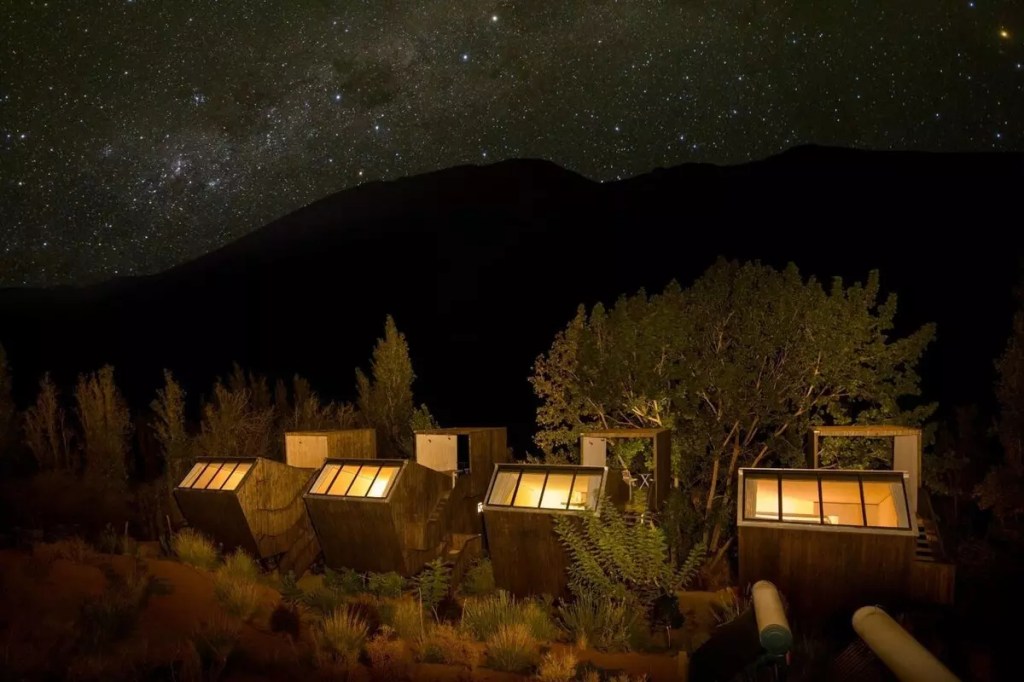
This shift is making way for niche segments and passion-tourism like to creative immersion. It allows hotels to become hubs for micro-communities, from passionate birdwatchers and stargazers to kite-surfers and silk weaving aficionados, who are the highest-yielding guests of all.
The future isn’t about replacing human interaction, it’s about making it better to create deeper, more meaningful connections.
In my opinion, there are three key shifts that are already shaping the future of hospitality.
Here’s how to get ready for 2026 and beyond:
1. Reducing OTA Dependency and Growing Direct Bookings

I have seen countless destinations fall into the “OTA trap.” While OTAs offer reach, they commoditize the hotel experience, turning a unique property into little more than a price point. For hotels seeking to attract high-yield travelers – the passionate micro-niche segments that I describe in my upcoming book, “The Passion-Tourism Economy” – reducing OTA dependency isn’t just a financial imperative; it’s a strategic one.
The most effective strategy is to create a compelling, direct-booking proposition that cannot be replicated on an OTA. My experience with Fairmont Hotels & Resorts showed me the power of this firsthand. We didn’t just offer a lower price; we offered exclusive experiences and value-adds that were only available to those who booked directly.
For example, a hotel catering to passionate foodies might offer a complimentary cooking class with their executive chef, but only when booked on their website. Another hotel, targeting wellness enthusiasts, could offer exclusive access to a sunrise yoga session on their rooftop deck, again, only through a direct booking. The key is to shift the conversation from a price comparison to an experience comparison.
A hotel must use its direct channels, including its website, email marketing, and social media, to tell a deeper story. This narrative should showcase the hotel’s soul and its connection to the local community and the specific passion a traveler holds. The high-yield traveler doesn’t just want a room; they want a story and a sense of belonging. The direct booking channel is where you build that bridge. It’s about cultivating a tribe, not just processing a transaction.
2. The Impact of AI on Travel

The future of travel is not about replacing human interaction but augmenting it. My years of work in destination marketing, from Fairmont Hotels to leading tourism boards in the Caribbean and Mekong region in Southeast Asia, have shown me that technology is simply a tool. AI is powerful, poised to fundamentally change how travelers discover and book hotels and experiences.
We are moving away from simple transactional search. Today, a traveler might type “hotel in Paris.” Tomorrow, their AI assistant will already know they are a passionate oenophile planning a two-week deep dive into French wine culture. The AI will then recommend a small, family-owned hotel in the 11th arrondissement that hosts regular tastings with local vintners, has a well-curated cellar, and is a short walk from a metro line that takes them directly to the Gare de Lyon for their TGV trip to Burgundy. It won’t just find a room; it will find the perfect hotel to support a specific passion. This is the essence of high-yield tourism is not about luxury but about aligning a traveler’s deepest interests with an authentic experience.
For hotels, the advice is straightforward:
- Move beyond keywords to context:
Your online presence must be rich with the contextual details that AI craves. Don’t just list your amenities; articulate the experiences you offer. For a hotel, this means creating content that speaks to passion-driven travelers. A blog post titled “Our Top 5 Secret Spots for Street Art in the Neighborhood” is far more valuable than a generic “Things to Do in the City” page. A video showcasing your mixologist preparing a signature cocktail from local ingredients is better than a simple bar description. AI will be able to parse and connect these threads of content to the specific, micro-niche interests of travelers. - Invest in unstructured data:
Customer reviews, social media comments, and direct messages contain a goldmine of insights. AI can analyze this unstructured data to reveal what truly matters to your guests. Are guests raving about your sustainable practices, the local coffee you serve, or the quiet garden for contemplation? These are the elements you need to amplify. Use AI-powered sentiment analysis to identify these high-yield signals and then build your marketing around them. It’s about moving from a “What we offer” mindset to a “What our guests love about us” approach.
3. Key Opportunities in Niche and Emerging Travel Segments for 2026
The travel landscape for 2026 will start to embrace what I call the “The Passion-Tourism Economy” will be defined by a continued shift away from generic, mass tourism towards more purposeful, passion-driven experiences. The micro-niche is where the true high-yield opportunity lies. Based on my work and observations in places like Barbados and the Greater Mekong Sub-region, I see three key segments as ripe for growth:
- Regenerative Tourism:
This goes a step beyond sustainability. Regenerative tourism is for travelers who want to leave a destination better than they found it. Hotels can tap into this by offering opportunities for guests to participate in conservation projects, community development, or cultural preservation. For example, a hotel could partner with a local NGO to offer guests a guided tour of a reef restoration project or a chance to participate in a tree-planting initiative. This isn’t just an activity; it’s a way for a passionate traveler to align their values with their vacation. - Creative and Artisanal Immersion:
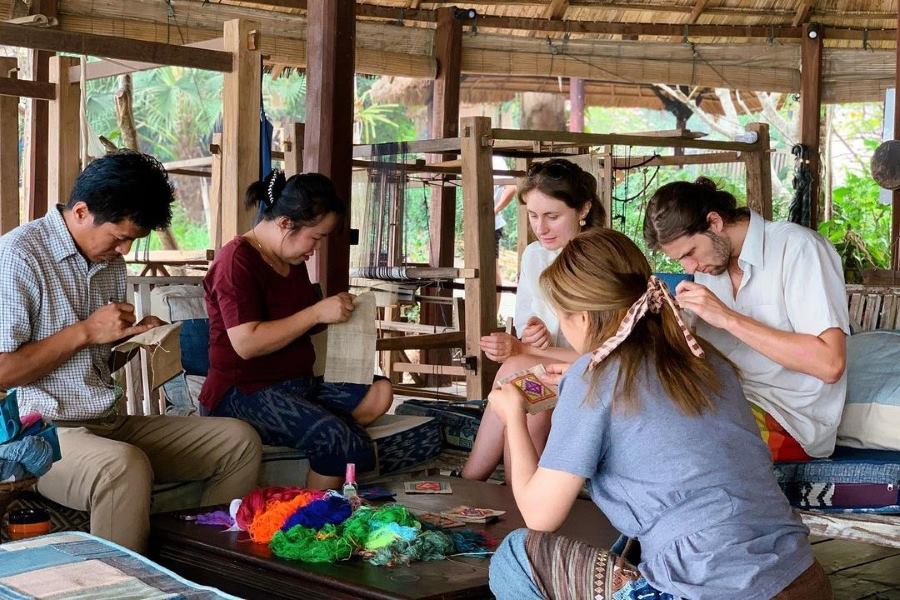
We are seeing a surge of interest in what I call “experiential mastery.” These are travelers who want to learn a new skill or delve into a local craft. A hotel can become a hub for this by hosting resident artists, offering workshops in everything from pottery and painting to traditional textile weaving, or even foraging for local ingredients. I saw a brilliant example of this in Laos, where a small guesthouse partnered with local artisans to offer guests a hands-on experience in creating traditional silk scarves. These are not just tourists; they are active participants in the creative economy. - Micro-Community Retreats:
Forget large corporate events. The future is in small, purpose-driven gatherings. Hotels can position themselves as the ideal venue for micro-communities to convene. Think of a retreat for birdwatchers, a conference for professional photographers, or a workshop for aspiring novelists. These groups are united by a common passion, and a hotel that can cater to their specific needs—whether it’s early-morning access for birdwatching or quiet writing nooks—will secure their loyalty and repeat business. These are often the highest-yielding segments, as they stay longer, spend more on specialized services, and, most importantly, become authentic advocates within their close-knit communities.
The future of hospitality is not about selling beds or competing on price. It’s about aligning with passions, telling authentic stories, and creating a sense of belonging.
Hotels that reduce their dependence on OTAs, adapt to AI-driven personalization, and embrace passion-driven niches will be the ones that thrive.
“The high-yield traveller doesn’t just want a room; they want a story and a sense of belonging. It’s about cultivating a tribe, not just processing a transaction.”

This approach directly linked to our efforts to assist travel and tourism organizations from destinations, DMCs, hotels, attractions, and retail to rethink their tourism growth strategy to focus on high-yield travelers to increase profits and reduce leakages while balancing economic and social impacts for long-term resilience. Please see more information at High-Yield Tourism, and follow our podcast on Spotify and Apple Podcast, and join the conversation on our LinkedIn and Facebook groups.
About the Author
With over 30 years of global travel and tourism expertise, Dr. Jens Thraenhart is the Founding Partner of 25-year-old bespoke strategy consulting firm Chameleon Strategies, co-founder of High-Yield Tourism, the 2nd Vice Chair of the World Tourism Organization’s UN Tourism Affiliate Members, the former Chief Executive Officer of the Barbados Tourism Marketing, Inc. (Visit Barbados), the former Executive Director of the Mekong Tourism Coordinating Office, the founder of private-sector-led tourism marketing organization Destination Mekong, and former Board Member of the Caribbean Tourism Organization (CTO). Recently consulting for the Saudi Tourism Authority, and previously active in China, in 2009, he co-founded acclaimed marketing agency Dragon Trail and published the China Travel Trends books and website. Jens has also held leadership positions with Destination Canada and Fairmont Hotels & Resorts (now Accor). As founder of the Destination Film Forum, he is also a big proponent of the power of storytelling, having been recognized as one of the top 10 Most Influential Leaders in Travel in 2022 by Travel Vertical, ranking first in the category of Creativity and Brand Storytelling, and served on the Jury of the Cannes Lion International Film Awards. Other recognitions for his work include being one of the travel industry’s top 100 rising stars by Travel Agent Magazine in 2003, one of HSMAI’s 25 Most Extraordinary Sales and Marketing Minds in Hospitality and Travel in 2004 and 2005, one of the Top 20 Extraordinary Minds in European Travel and Hospitality in 2014, and honored as one of the Global Travel Heroes in 2021. He completed his Doctor in Tourism Management at The Hong Kong Polytechnic University and graduated from Cornell University with a Masters in Hospitality Management.
 BALANCED TOURISM
Leave a comment