

By Dr. Jens Thraenhart (November 2025)
Introduction: The Revelation
Something happened during my advisory work with the Saudi Tourism Authority that completely changed how I think about destination marketing. I kept hearing the same thing from young Saudi staff members: they were going to Spain. Not just one or two people mentioning it casually, but colleague after colleague telling me about upcoming trips to Marbella, Granada, Madrid. At first, I thought it might be coincidence, perhaps a trending social media recommendation. But after the fifth or sixth conversation, I realized something much deeper was happening, something that connected to my decades of work across Asia, from establishing Dragon Trail in China to leading the Mekong Tourism Coordinating Office. This was about cultural resonance, the kind of emotional connection that transforms ordinary travel into Passion-Tourism.
The Al-Andalus Connection: When History Becomes Travel Motivation
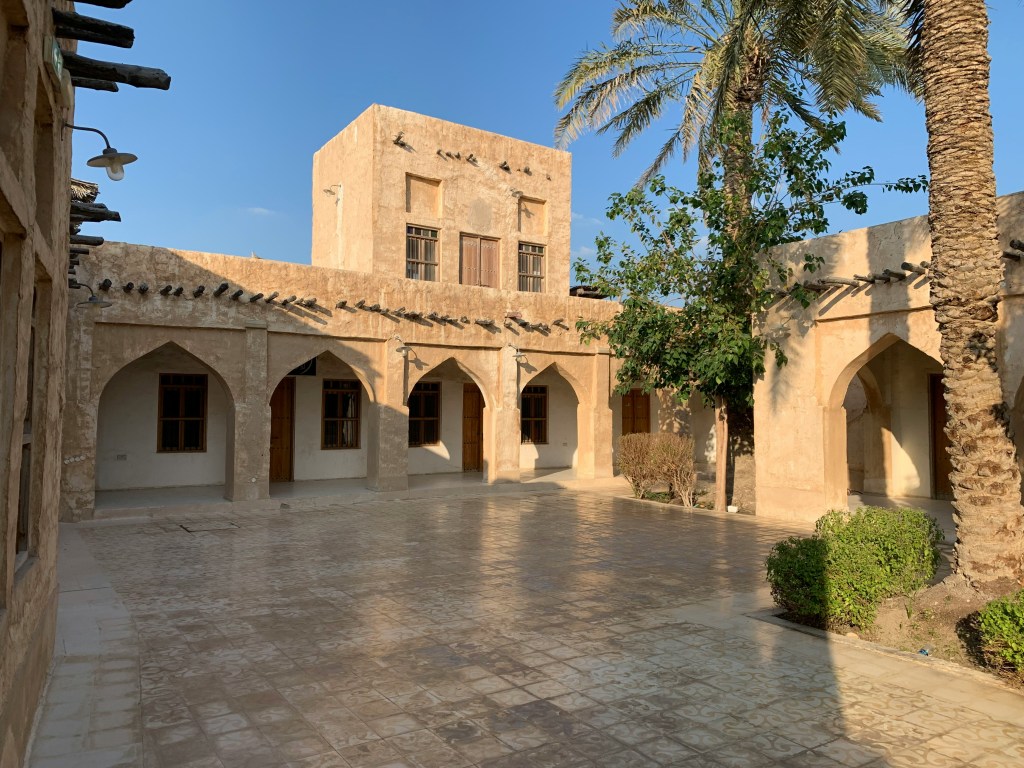
When I dug into the reasons, the picture became crystal clear. Spain holds profound cultural significance for Saudi travelers because of Al-Andalus, the period when Muslim civilization flourished on the Iberian Peninsula for eight centuries. The historical connection is tangible and deeply emotional. In 2023, visitors from GCC countries spent over €1.13 billion in Spain, representing a 64.7% increase over 2022, with Saudi Arabia alone sending more than 182,000 travelers.

The Alhambra palace in Granada stands as one of the most famous monuments of Islamic architecture and one of the best-preserved palaces of the historic Islamic world. For Saudi travelers, walking through the Alhambra is not simply sightseeing but rather connecting with ancestral heritage, experiencing the architectural mastery of Nasrid art where their civilization once thrived.

This connection extends throughout Andalusia. The Great Mosque of Córdoba, the palace of Medina Azahara, and the entire region carry what Spanish Ambassador to Saudi Arabia Jorge Hevia describes as “lasting marks on Spain’s culture, language and society” from 800 years of shared history. In architecture, language, geography, and even music, the roots of flamenco can be traced to the music of Al-Andalus. For centuries, Al-Andalus was one of the regions with the highest intellectual, artistic and scientific levels in the Western world. In the 10th and 11th centuries, Córdoba became one of Europe’s most important cities, with students and scholars flocking from across the continent.
Beyond Heritage: The Modern Luxury Equation

Yet the Saudi-Spain connection is not purely historical. Marbella and the Costa del Sol have become premier luxury summer destinations for elite travelers from Saudi Arabia and other Gulf countries, offering exclusivity, upscale experiences, and climate relief from intense summer heat. According to Laura de Arce, Marbella City Council Tourism Director, the city “remains a top destination for this market, and is their first destination when they come on vacation, followed by Madrid and Barcelona.” She describes Marbella as “their second home, a safe place with mild temperatures, entertainment, shopping, great hotels, and establishments where they can enjoy themselves and feel at ease.” High-spending Gulf visitors have driven luxury resorts to report up to 10% increases in bookings, with Arab travelers accounting for 25-30% of total summer occupancy in upscale properties.

The hospitality sector has adapted brilliantly. Hotels in the region cater specifically to Saudi preferences with Arabic-speaking staff, luxury car rentals, and personalized concierge services, with high-net-worth families often booking entire floors for privacy. Puerto Banús marina has become a retail hub where stores hire Arabic-speaking staff and offer bespoke shopping experiences. Madrid provides easy train access to historical cities like Toledo, Córdoba, and Seville, making it a convenient hub. Barcelona attracts Saudi tourists with its cosmopolitan appeal, historic Gothic Quarter, and accessibility as a major Mediterranean destination with significant Arab and Muslim communities.
The Strategic Implications: Cultural Resonance as Marketing Strategy

The strategic lesson here is profound for any destination marketing to Saudi travelers or, frankly, to any high-yield market. Don’t just sell your attractions. Discover and tell the stories of cultural significance that resonate with the hearts and identities of your target market. Whether it’s Islamic architecture, historical connections, trade routes, culinary heritage, or cultural bridges, these narratives transform ordinary destinations into meaningful journeys. Spain succeeded not through generic luxury marketing but by understanding and honoring what matters most to Saudi travelers. The cultural connection to Al-Andalus creates an emotional pull that no advertising budget can manufacture.
This is High-Yield Tourism at its finest. Saudi visitors to Spain stay longer than average, spend significantly above typical tourists (often €300+ daily on accommodation alone, with overall daily spending reaching €195 according to tourism expenditure surveys), and return repeatedly, often considering Marbella their second home. They book five-star hotels (40.92% of bookings), engage deeply with local culture and history, and create sustained economic impact through luxury retail, fine dining, and premium services. More importantly, they become ambassadors, recommending destinations within their extensive networks through trusted word-of-mouth.
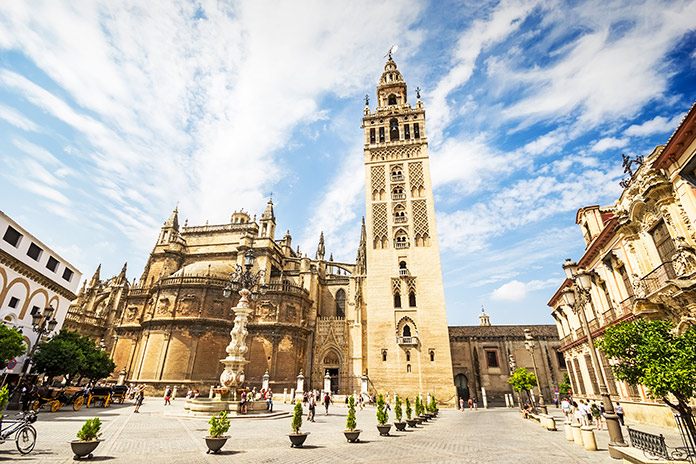
This also exemplifies Passion-Tourism. Saudi travelers are not casually visiting Spain. They are pursuing a passionate connection to their Islamic heritage, walking the halls where their ancestors created one of history’s greatest civilizations. They are experiencing what I observed repeatedly in my work across Southeast Asia and Central Asia: when travelers connect emotionally with a destination through cultural resonance, historical significance, or personal passion points, they transform from tourists into engaged participants. They invest more time, more resources, and more emotional energy. They return. They bring their families. They become part of the destination’s story.
Comparative Case Studies: Other Powerful Cultural Resonance Models
The Spain-Saudi Arabia connection is not unique. Throughout my career working across five continents, I’ve observed numerous examples where cultural resonance transforms tourism economics and creates sustainable high-yield models. These case studies reveal the universal principles underlying passion-driven tourism.
Japan and Taiwan: The Legacy of Colonial History
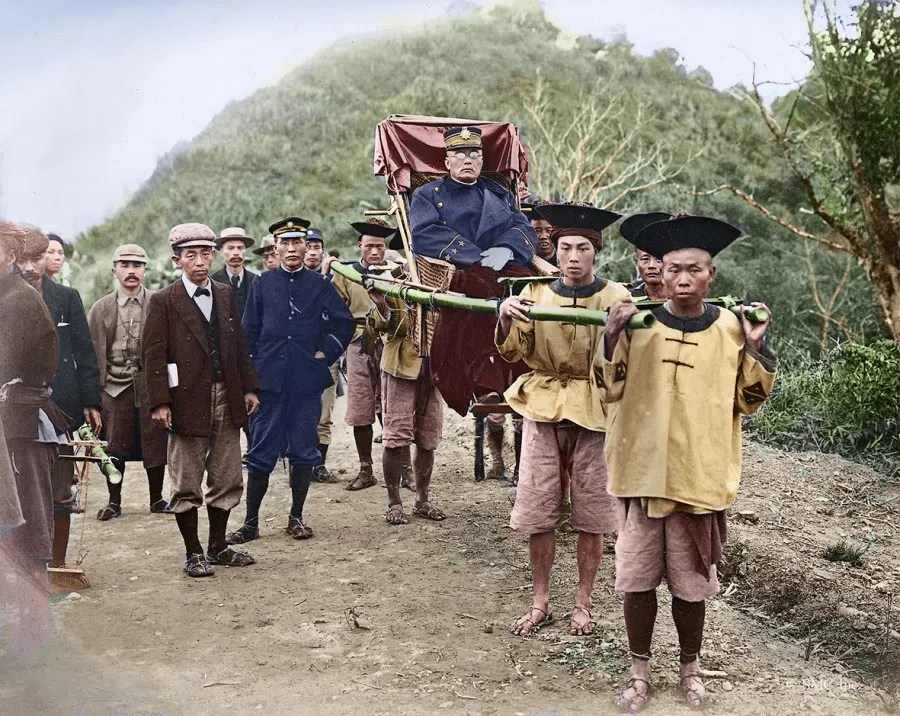
Taiwan represents one of the most fascinating cultural resonance markets for Japanese outbound tourism. Between 1895 and 1945, Taiwan was under Japanese colonial rule, creating deep cultural connections that persist today. Japanese travelers visit Taiwan not just as tourists but as cultural pilgrims seeking connections to their own history.

Japanese tourists consistently rank among Taiwan’s highest-spending visitors, with many traveling specifically to see preserved Japanese-era architecture, visit former colonial sites, and experience the blend of Japanese and Chinese cultural influences. The town of Jiufen, with its preserved Japanese architecture and tea houses, has become particularly popular among Japanese visitors who see it as a living museum of their shared history. Hot spring culture, railway stations, and even certain food traditions create immediate familiarity and emotional connection.
Taiwan’s tourism authorities have skillfully marketed these connections without glorifying colonialism, instead focusing on shared cultural heritage, architectural preservation, and the unique fusion that emerged. Japanese visitors spend above-average amounts, stay longer than other markets, and return frequently—classic high-yield characteristics driven by cultural resonance rather than manufactured attractions.
Korea’s Wave Across Asia: When Pop Culture Creates Passionate Communities

The Korean Wave (Hallyu) demonstrates how contemporary cultural resonance can be as powerful as historical connections. Korean television dramas, music (K-pop), cuisine, and beauty products have created passionate communities throughout Asia and increasingly worldwide.

Destinations featured in popular Korean dramas experience dramatic tourism increases. Nami Island, featured in “Winter Sonata,” transformed from a modest domestic destination into an international pilgrimage site for Korean drama fans, particularly from China, Japan, and Southeast Asia. These travelers aren’t seeking generic tourism experiences—they’re pursuing emotional connections to stories that moved them, walking where their favorite characters walked, experiencing the culture that produced the content they love.
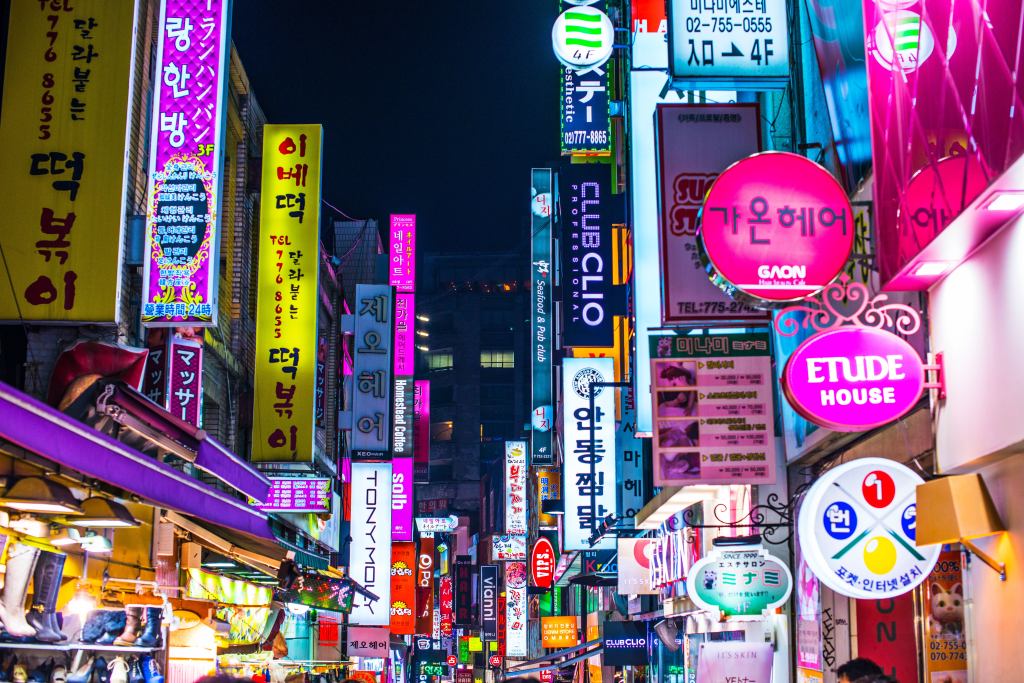
The economic impact is substantial. Chinese tourists visiting Korea specifically for Hallyu-related experiences spend approximately 30% more than average Chinese tourists. They visit filming locations, attend K-pop concerts, purchase Korean beauty products, and study Korean language and cooking. Many return multiple times as new dramas air or new music releases. This represents Passion-Tourism in action: travelers organized around specific cultural content creating sustained economic value through repeated engagement.

Korea’s strategic response has been sophisticated. Rather than treating this as temporary pop culture hype, Korean tourism authorities have systematically mapped filming locations, created Hallyu-themed trails, developed cultural centers explaining Korean entertainment industry history, and trained hospitality staff to understand what drives these passionate communities. The result is a resilient tourism segment less vulnerable to economic fluctuations because emotional connection transcends price sensitivity.
Chinese Diaspora Tourism: Roots and Ancestral Heritage

The Chinese diaspora represents one of the world’s largest and most economically significant heritage tourism segments. Approximately 60 million ethnic Chinese live outside China, with significant populations throughout Southeast Asia, North America, and beyond. Their connection to ancestral homelands in Guangdong, Fujian, and other regions creates sustained tourism flows driven by cultural and familial bonds.

During my time establishing Dragon Trail and working extensively throughout China, I observed how ancestral village tourism operates. Overseas Chinese return not as casual tourists but as cultural pilgrims, often bringing entire families to show younger generations their heritage. They visit ancestral halls, reconstruct family genealogies, participate in clan associations, and maintain or restore ancestral properties.

The economic characteristics align perfectly with high-yield tourism. These travelers stay longer, spend on family gatherings and ceremonies, invest in local property and infrastructure, make repeated visits across lifetimes, and bring extended family networks. Fujian’s Tulou villages, for example, receive significant overseas Chinese visitors who spend substantially more than conventional tourists because they’re investing in cultural preservation and family connection, not just purchasing tourism experiences.
Destinations that understand this dynamic create infrastructure supporting heritage connection: genealogy research centers, ancestral hall preservation programs, cultural documentation projects, and family reunion facilitation. This isn’t manufactured tourism but rather destination strategy aligned with authentic cultural bonds.
Jewish Heritage Tourism: The Diaspora Model
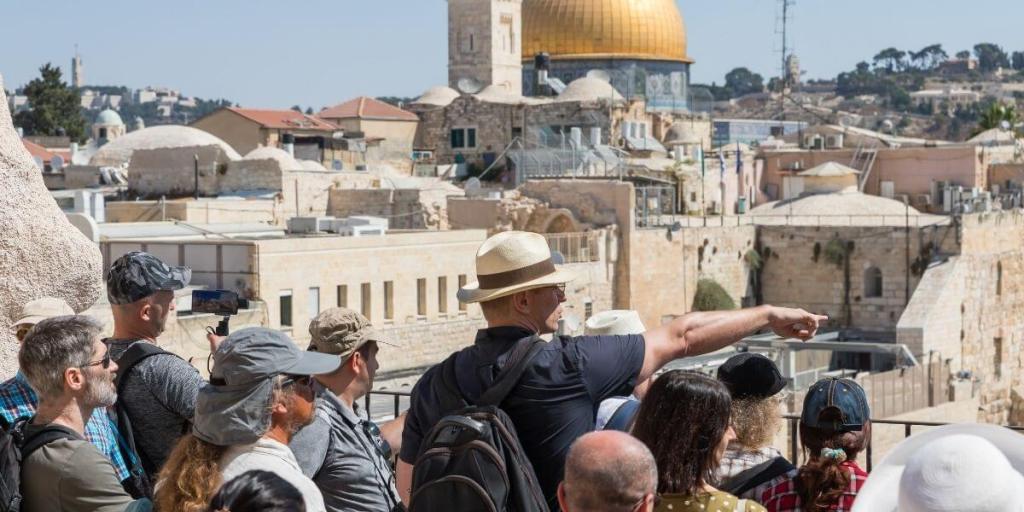
Jewish heritage tourism represents perhaps the most established model of diaspora-driven cultural resonance tourism. Jewish travelers worldwide seek connections to historical communities, religious sites, and cultural heritage across Europe, North Africa, and the Middle East.
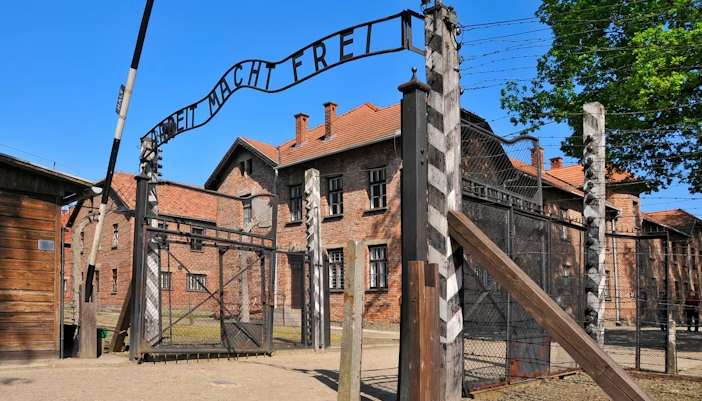
Poland has become a major destination for Jewish heritage tourism despite—or perhaps because of—the tragic history of the Holocaust. Jewish travelers visit historical synagogues, Jewish quarters in cities like Kraków, and Holocaust memorials including Auschwitz-Birkenbach. These are not leisure trips but rather profound cultural and spiritual journeys connecting to ancestral heritage and historical memory.
The economic profile is distinctly high-yield. Jewish heritage travelers typically stay longer than average tourists, engage specialized guides with deep historical knowledge, participate in educational programs, and make repeated visits across their lifetimes. Many bring multiple generations, creating family educational experiences around cultural transmission.

Israel has built its entire tourism strategy partially around diaspora connections. The Birthright program, which brings young Jewish adults from around the world for free heritage trips, exemplifies strategic investment in cultural resonance. These travelers often return multiple times across their lives, bringing families, participating in religious pilgrimages, and maintaining ongoing connections. The economic value extends far beyond initial trip expenditure to include decades of engagement.
African American Heritage Tourism: Roots, Reconnection, and the Transatlantic Slave Trade Legacy
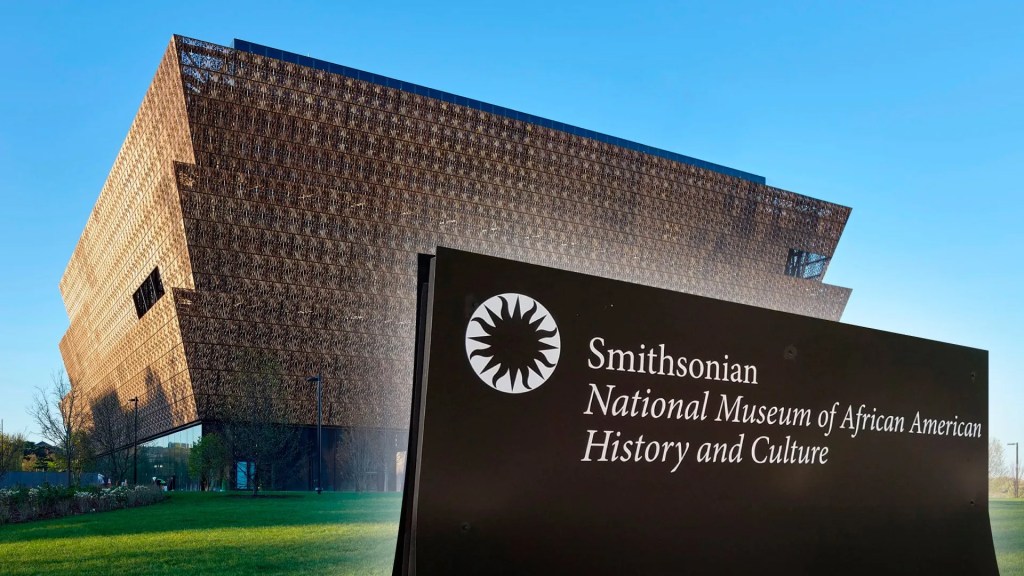
West African nations, particularly Ghana, Senegal, and Benin, have developed significant tourism segments around African American heritage connections to the transatlantic slave trade. The “Year of Return” campaign in Ghana (2019) marking 400 years since the first enslaved Africans arrived in Virginia attracted thousands of African American visitors seeking ancestral connections.

These travelers visit slave castles like Elmina and Cape Coast, participate in emotional ceremonies including “door of no return” remembrances, undergo DNA testing to trace specific regional origins, and increasingly pursue citizenship or property investment. This is profoundly emotional travel driven by identity, heritage, and historical reconciliation.

The economic characteristics again align with high-yield and passion-tourism principles. African American heritage travelers stay longer than typical tourists, spend on specialized cultural experiences and guides, invest in local communities through charitable work or business investment, and often return multiple times as they deepen connections. Many bring extended families, creating multi-generational heritage experiences.

Ghana’s strategic approach has included streamlined citizenship processes for diaspora members, investment in heritage site preservation and interpretation, cultural festivals celebrating diaspora connections, and infrastructure supporting long-term engagement. This transforms one-time visitors into lifelong stakeholders.
The Silk Road: When Historical Trade Routes Become Cultural Corridors

Central Asian nations—Uzbekistan, Kyrgyzstan, Kazakhstan, Tajikistan—have begun leveraging Silk Road heritage to attract culturally motivated travelers. The historical trade routes connecting China to Europe created architectural, cultural, and commercial legacies that resonate with travelers seeking to understand global connectivity’s historical roots.
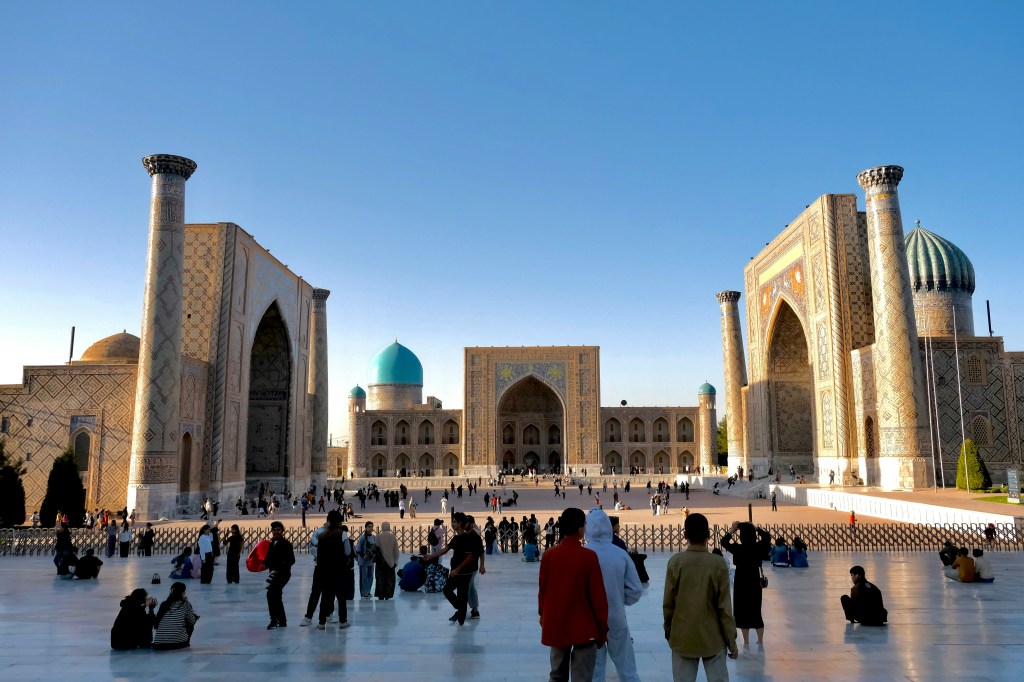
Cities like Samarkand, Bukhara, and Khiva contain some of the world’s most spectacular Islamic architecture from the Timurid period. These attract not just general cultural tourists but passionate communities: Islamic art scholars, architectural historians, textile enthusiasts studying traditional ikat and suzani crafts, and travelers following historical trade routes.
During my work in the region, I observed how these passionate communities behave differently from conventional tourists. They spend days studying single monuments, engage local craftspeople in detailed discussions, purchase substantial amounts of traditional handicrafts directly from artisans, and become vocal advocates for cultural preservation. A textile enthusiast spending a week learning traditional ikat weaving techniques in Margilan creates more economic and cultural value than a hundred cruise ship passengers on four-hour city tours.
The strategic opportunity for Central Asian destinations lies in moving beyond superficial “Silk Road” marketing toward cultivating specific passionate communities: textile artists, Islamic architecture scholars, culinary historians studying pilaf and bread traditions, adventure travelers seeking genuine cultural immersion, and students of Central Asian music traditions.
Ireland and North America: The Diaspora That Built a Tourism Industry

Ireland’s relationship with North American tourism represents a century-long case study in diaspora-driven cultural resonance. Approximately 33 million Americans claim Irish ancestry, creating a massive potential market emotionally connected to Irish heritage.
Irish tourism authorities have brilliantly leveraged this connection through genealogy services, ancestral village programs, clan gathering events, and cultural experiences emphasizing Irish music, literature, and storytelling traditions. The result is a sustained flow of North American visitors whose travel motivations center on heritage connection rather than generic sightseeing.

The economic characteristics are instructive. Irish heritage travelers from North America stay longer than average, visit rural regions where their ancestors originated (distributing economic benefit beyond Dublin), spend on genealogy research and cultural experiences, and return multiple times often bringing different family members. Many maintain ongoing connections, purchasing property, supporting local causes, or becoming advocates for Irish culture and business.
The model demonstrates how destination marketing can cultivate multi-generational relationships. A traveler who visits Ireland to trace family roots at age 30 often returns with children at age 45, and with grandchildren at age 65, creating lifetime value far exceeding single-trip economics.
Universal Principles: What Cultural Resonance Teaches Us About Destination Strategy
These diverse case studies reveal consistent principles underlying successful cultural resonance tourism strategies:
Authenticity Cannot Be Manufactured: Spain’s success with Saudi travelers stems from genuine historical connections to Al-Andalus, not invented heritage. Destinations must identify authentic cultural assets that genuinely resonate with target markets rather than creating artificial connections.
Emotional Connection Drives Economic Value: When travelers pursue cultural resonance—whether ancestral heritage, historical connections, or passionate interests—they consistently exhibit high-yield characteristics: longer stays, higher spending, repeat visits, and advocacy. The emotional investment translates directly to economic investment.
Infrastructure Must Support Meaning, Not Just Transactions: Spain’s Arabic-speaking hotel staff, Korea’s Hallyu tourism centers, and Ghana’s diaspora citizenship programs all represent infrastructure supporting meaningful cultural engagement rather than transactional tourism. Destinations must invest in language capabilities, cultural interpretation, specialized guides, and community access.
Cultural Resonance Creates Resilience: Passion-driven tourism segments prove more resilient during disruptions. Saudi travelers’ emotional connection to Al-Andalus doesn’t evaporate during economic downturns. Jewish heritage travelers continue visiting memorial sites regardless of broader tourism trends. Cultural bonds transcend price sensitivity and economic cycles.
Community Benefit Aligns With Cultural Preservation: When tourism economics center on authentic cultural assets, destinations have direct financial incentives for preservation rather than exploitation. Korean traditional village preservation is funded by Hallyu tourism. West African slave castle maintenance is supported by heritage tourism. Economic and preservation goals become synergistic rather than conflicting.
Advocacy Creates Compounding Returns: Travelers pursuing cultural resonance become vocal advocates within their communities. They share experiences through trusted networks, creating marketing that no advertising budget can match. A Saudi traveler sharing Alhambra experiences with extended family and friends creates ripple effects that paid advertising cannot replicate.
Multi-Generational Engagement Builds Lifetime Value: Cultural resonance creates opportunities for multi-generational travel. Irish heritage travelers bring children and grandchildren. Chinese diaspora visitors return across decades. This transforms tourism economics from single transactions to multi-decade relationships.
Strategic Implementation: How Destinations Can Cultivate Cultural Resonance
For destinations seeking to apply these principles, the implementation framework requires several sequential steps:
Step One: Cultural Asset Inventory and Authentication
Conduct rigorous inventory of authentic cultural, historical, and heritage assets. What genuine connections exist between your destination and potential target markets? This requires moving beyond tourism promotion to serious historical research, cultural documentation, and community consultation. Spain didn’t invent Al-Andalus connections—they recognized and articulated what already existed.
Step Two: Target Market Cultural Mapping
Research which markets have potential cultural resonance with your authenticated assets. This is not demographic segmentation but rather cultural affinity mapping. Which communities globally might have historical, ancestral, religious, or passionate connections to what makes your destination unique? Taiwan identified Japanese travelers’ colonial-era connections. Central Asian nations identified Silk Road enthusiasts and Islamic architecture scholars.
Step Three: Narrative Development and Authentic Storytelling
Develop compelling narratives that articulate cultural connections respectfully and authentically. This requires cultural sensitivity, historical accuracy, and community involvement. The goal is not marketing copy but rather meaningful storytelling that resonates emotionally. Avoid superficial exploitation or cultural appropriation—travelers detect inauthenticity immediately and reject it.
Step Four: Infrastructure Investment Supporting Cultural Engagement
Build the physical, linguistic, and knowledge infrastructure enabling meaningful cultural engagement. This might include: language-capable guides and hospitality staff, genealogy research centers and ancestral records access, specialized museums and interpretive centers, artisan workshops and apprenticeship programs, scholarly exchange programs, and community access protocols. This represents significant investment, but it creates defensible competitive advantages that generic destinations cannot replicate.
Step Five: Community Involvement and Benefit Distribution
Ensure local communities are central stakeholders, not extractive targets. Cultural assets belong to communities who must benefit economically and culturally from tourism engagement. Create direct economic pathways to cultural practitioners, artisans, knowledge holders, and community members. When communities benefit, they become authentic advocates and partners rather than reluctant participants.
Step Six: Passionate Community Cultivation
Shift marketing from broad awareness campaigns to passionate community cultivation. Identify where your target cultural affinity communities congregate—specialized forums, academic conferences, cultural organizations, online communities—and engage authentically. Create content demonstrating deep knowledge and respect for their interests. Build long-term relationships rather than transactional marketing.
Step Seven: Measurement Framework Redesign
Change success metrics from volume (arrival numbers) to engagement depth, spending per traveler, length of stay, return frequency, advocacy metrics (social sharing, recommendations), community satisfaction scores, and cultural preservation outcomes. These indicators reveal whether cultural resonance strategy is succeeding.
Conclusion: The Future of Destination Strategy
For destinations targeting Saudi travelers or other high-yield markets, the Spain phenomenon offers a masterclass. Invest time in understanding what creates emotional resonance for your target market. Research the historical connections, the cultural bridges, the heritage links that matter deeply to them. Then tell those stories authentically, respectfully, and compellingly. Build the infrastructure to support those connections through language capabilities, cultural sensitivity, appropriate amenities, and genuine hospitality that honors their values while expanding their horizons.
From my experience establishing tourism strategies across five continents, from China to the Caribbean, from Southeast Asia to West Asia, I have learned that sustainable, high-yield tourism is built on these deep cultural connections. Spain understood this instinctively regarding Saudi travelers, and the results speak for themselves. Other destinations would be wise to follow this blueprint, not by copying Spain’s approach but by discovering their own unique cultural significance for their target markets.
That is the future of High-Yield Tourism and the foundation of the Passion-Tourism Economy. It starts with listening to what travelers are telling you, just as those young Saudi Tourism Authority staff told me about Spain. Cultural resonance cannot be manufactured through marketing budgets—it must be discovered, authenticated, articulated, and honored. When destinations make this shift from transactional tourism to meaningful cultural engagement, they create economic models that benefit all stakeholders: travelers gain transformative experiences, communities gain sustainable economic opportunity and cultural validation, and destinations build resilient tourism economies that make them more authentically themselves rather than generic replicas of everywhere else.
The question for every destination is not “how do we attract more tourists?” but rather “which travelers will find genuine cultural resonance with our authentic assets, and how do we facilitate meaningful engagement that benefits everyone involved?” Answer that question with integrity and strategic commitment, and you build tourism that lasts.
Dr. Jens Thraenhart is CEO of Chameleon Strategies, a UN Tourism Affiliate Member organization, and Co-Founder of High Yield Tourism. He serves as 2nd Vice Chair of the UN Tourism Affiliate Members Board and has advised the Saudi Tourism Authority on destination management and Vision 2030 initiatives. His career spans leadership roles across 25+ countries in Asia, the Caribbean, Europe, and the Middle East, including CEO of Barbados Tourism Marketing Inc. and Executive Director of the Mekong Tourism Coordinating Office.
 BALANCED TOURISM
Leave a comment