

Unlocking High-Yield Traveler Engagement Through Cultural Fighting Traditions
The economics of martial arts tourism present a compelling case for destination managers to prioritize this micro-niche for both economic returns and soft power development. When most people think of martial arts, they imagine fitness routines or competitive fights. But this isn’t about learning to kick or punch. It’s about why these arts exist, their history, rituals, and spiritual dimensions.
My work has taken me across Asia and beyond, from the hutongs of Beijing to the temples of Bangkok, from the dojos of Seoul to the training halls of Riyadh. Over more than a year as an advisor to the Saudi Tourism Authority, I’ve witnessed firsthand how cultural traditions, including warrior heritage, can become magnets for high-value travelers. In Saudi Arabia, I’ve seen the Kingdom’s Vision 2030 transformation and how destinations can leverage authentic cultural assets to attract passionate travelers rather than mass tourists.
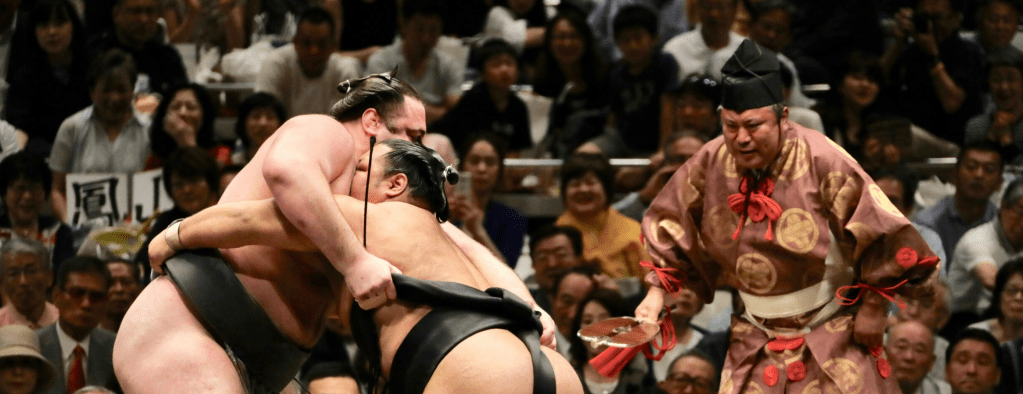
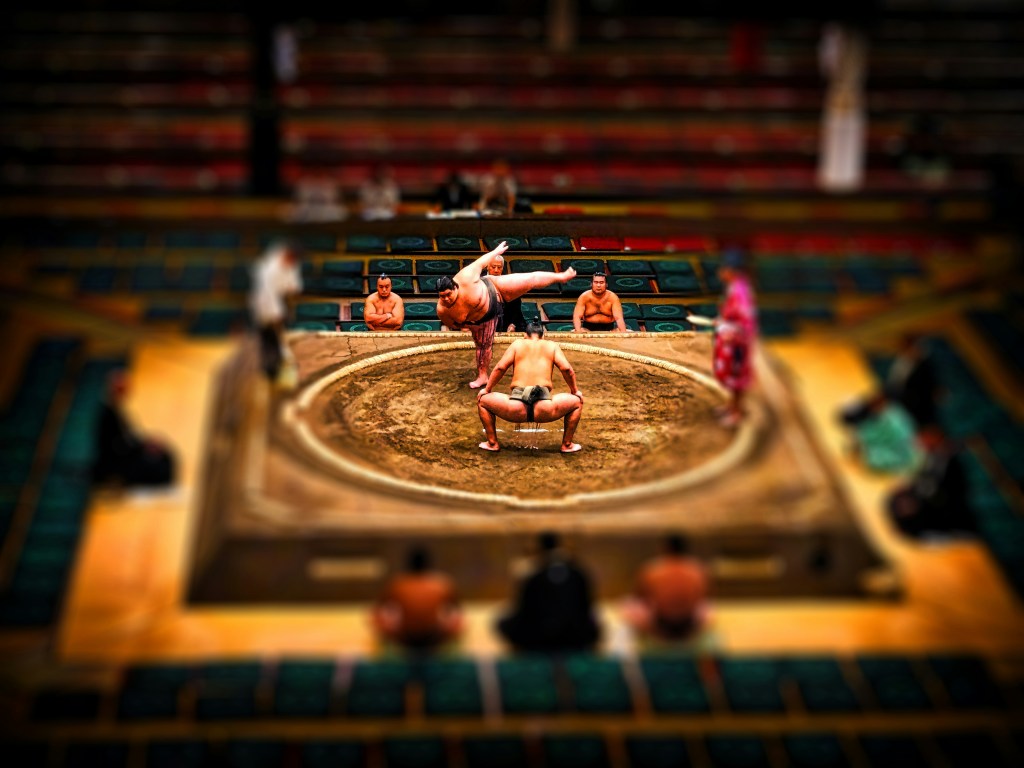
Recently, I found myself in Osaka’s Namba district at The Sumo Hall Hirakuza. This wasn’t entertainment. It was cultural transmission. The experience included a traditional meal, explorations of Japanese mythology, and even the chance to challenge a sumo wrestler. The brochure I picked up revealed a carefully designed immersion: they target people who want to live sumo, understand its Shinto roots, stay in heya (training stables), eat chanko-nabe. These travelers don’t come to fight. They come to feel. They pay for access, authenticity, and storytelling (Japan Sumo Association, 2023).
Similarly, at Ayutthaya’s Wai Khru Muay Thai Festival and Bangkok’s Rajadamnern Stadium, I experienced a 1,000-year journey through Muay Thai’s history and culture. This is the essence of what I call passion tourism: travelers seeking transformation through deep cultural understanding rather than superficial consumption.
Defining the Micro-Niche: Martial Arts as Cultural Gateway
Cultural fighting encompasses martial arts practices embedded in a country’s heritage and identity. They are not simply combat techniques but traditions passed down through generations, tied to rituals, philosophies, and communities. The motivations for travelers in this micro-niche differ fundamentally from those who travel for training camps, fitness, or competitive fighting.
Through my consulting work across Asia, from Mongolia to Myanmar, and more recently in Saudi Arabia, I’ve observed three distinct segments with vastly different yield profiles:
Segment 1: Fitness Tourists. These travelers incorporate martial arts into exercise routines. Cultural engagement is minimal. They represent volume but limited economic impact beyond gym fees.
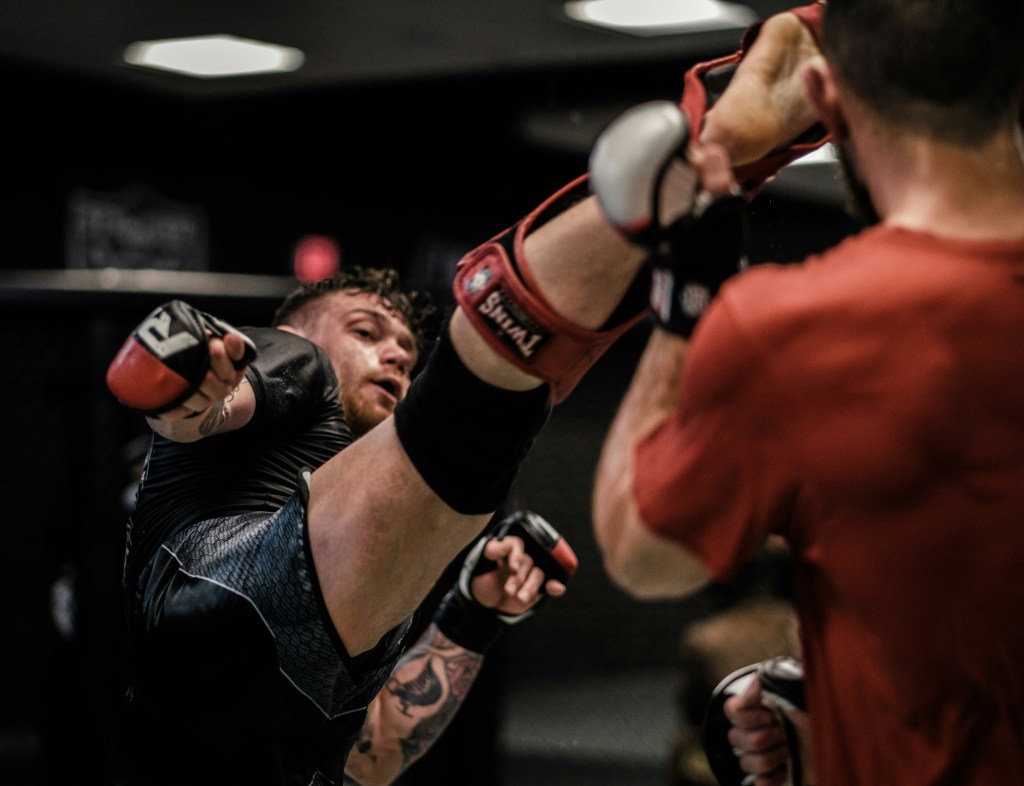
Segment 2: Combat Sports Enthusiasts. Athletes seeking technical improvement. Cultural engagement is moderate. They stay longer than fitness tourists but remain focused on skill acquisition rather than cultural depth.
Segment 3: Cultural Passion Tourists. Travelers pursuing cultural understanding through martial arts practice. Cultural engagement is intensive. These travelers willingly pay premiums for access, exclusivity, and authenticity. This segment drives high-yield tourism outcomes.
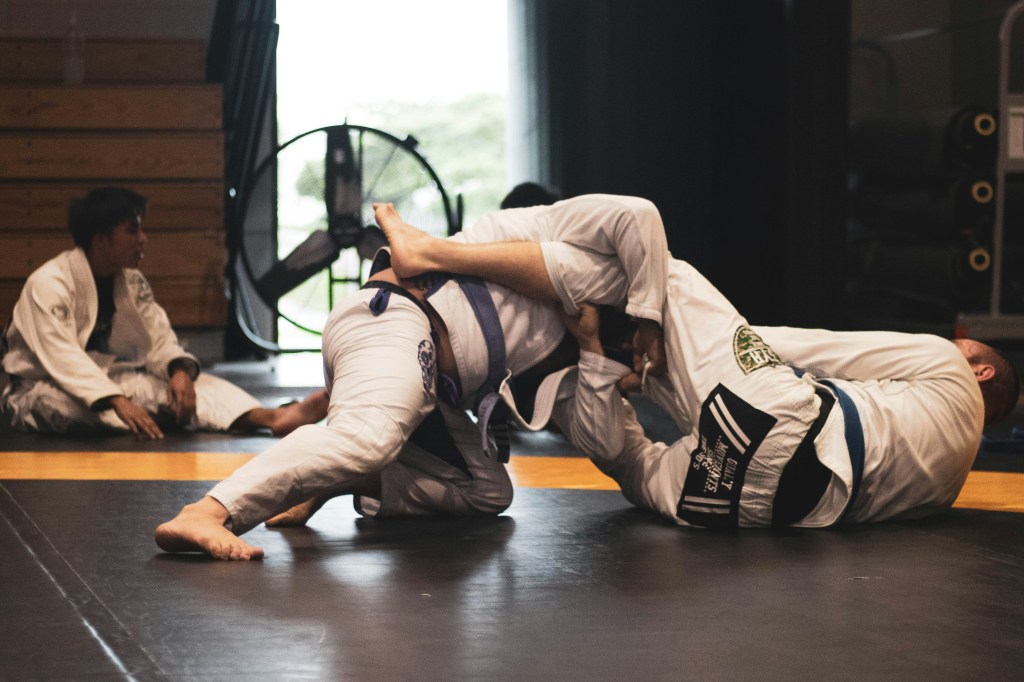
The high-yield traveler pays for exclusivity (private sessions with masters, like a taekwondo grandmaster in Seoul), rituals (Muay Thai’s sacred Mongkon armbands, sumo’s salt-throwing ceremonies), and storytelling (how Brazilian jiu-jitsu reflects Afro-Brazilian resilience). Fitness tourists join group classes at $20. Passion travelers book private guides, stay longer, and return repeatedly for festivals or belt ceremonies, spending $200-500 daily.
Passionate cultural fighting travelers seek immersion in history and philosophy behind the practice, rituals and ceremonies unique to each martial art, opportunities to meet masters and witness authentic training, access to traditional venues from temples to historic gyms, and story-rich experiences including culinary pairings that extend their engagement.
A Global Landscape of Martial Arts Destinations
The beauty of martial arts as a passion tourism micro-niche lies in its remarkable global diversity. From ancient temple traditions to modern combat systems, passionate martial arts aficionados can travel across continents to experience authentic warrior cultures. This isn’t a niche limited to a handful of famous destinations. It’s a worldwide network of living traditions, each offering distinct cultural insights and transformative experiences.
Living cultural exports foster international recognition and emotional connection to nations. Having worked with destinations across multiple countries and continents, I’ve seen how these traditions serve as magnets for high-yield, passion-driven tourism. Let me illustrate the breadth of opportunities available to cultural martial arts travelers.
The Legendary Centers: Where Martial Arts Define National Identity
Certain destinations have achieved legendary status in the martial arts world, where the fighting tradition is so deeply woven into national culture that it becomes inseparable from the country’s identity. These are the pilgrimage sites for serious practitioners.
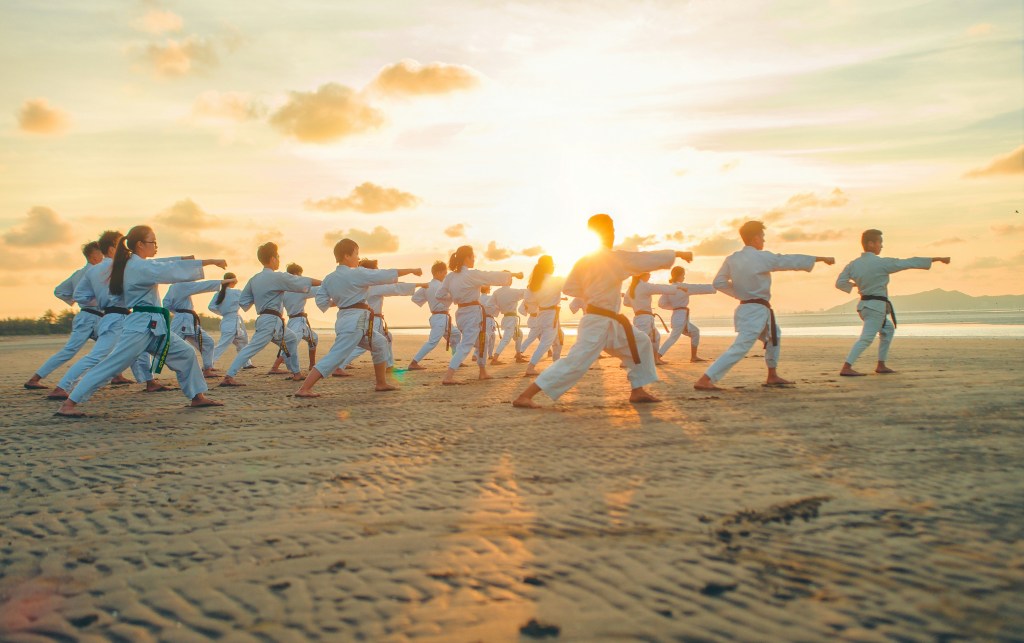
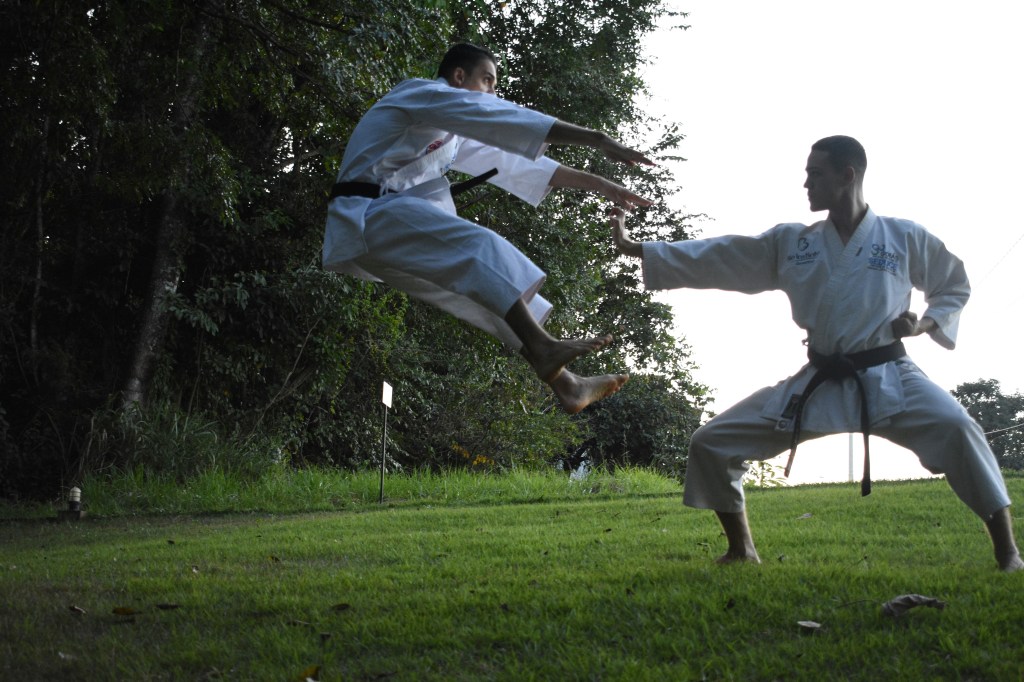
Japan stands as the ultimate martial arts mecca. During my research trips to Tokyo and Osaka, I’ve observed how the country positions multiple martial arts simultaneously. Japan offers the birthplace of judo, karate, and aikido, alongside the living sumo tradition. The Kodokan Judo Institute provides access to philosophical roots, while sumo morning practices at training stables offer intimate glimpses into warrior discipline. Okinawa draws lineage-seekers to karate’s birthplace, where multiple traditional styles are preserved. With impeccable infrastructure, English programs, and strict protocols demanding respect, Japan offers year-round training opportunities ranging from day passes to long-term study visas, with costs from $100-500 daily. The Japan Foundation reports martial arts as a primary driver of Japanese language learning globally, demonstrating soft power impact beyond tourism revenue.
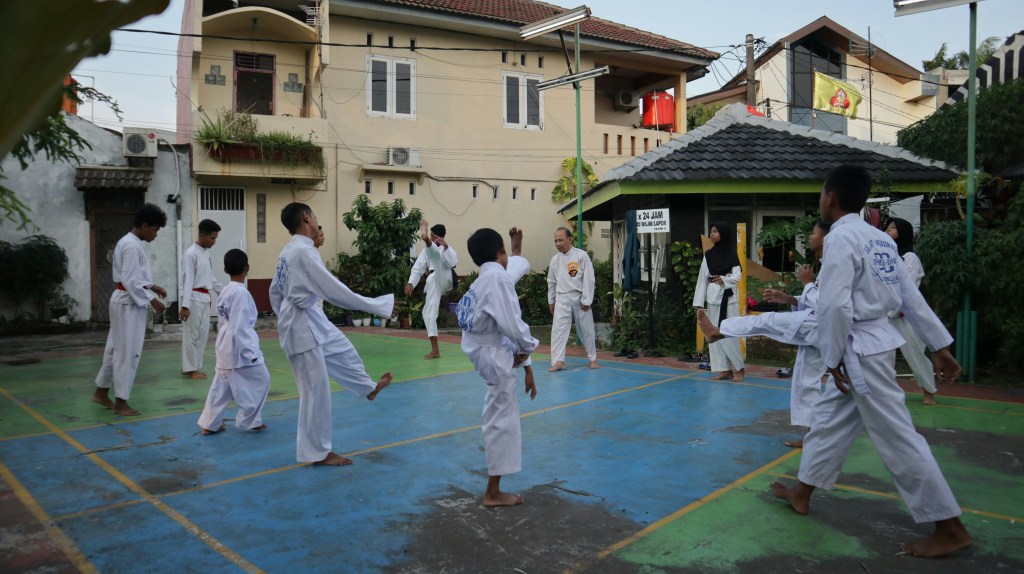
Thailand has transformed Muay Thai into a cornerstone of its “5 Fs” soft power strategy (Food, Film, Fashion, Festivals, Fighting). The Tourism Authority of Thailand recognizes Muay Thai-related tourism as a significant contributor to sports tourism revenue, with millions of international practitioners globally (Tourism Authority of Thailand, 2024). Bangkok and Ayutthaya offer over 300 active stadiums where travelers witness the ancient “Art of Eight Limbs” performed with sacred Wai Kru ceremonies, traditional music, and deep community roots. From legendary Lumpinee and Rajadamnern stadiums to training camps offering everything from drop-in classes to six-month fighter programs, Thailand provides unmatched infrastructure. Live-in camps allow cultural immersion with Thai boxers, fighter diet programs, and access to the Khan grading system. With costs ranging from budget camps at $30 daily to luxury training at $300, Muay Thai exemplifies how a national sport becomes a magnetic cultural export. Thailand demonstrates what happens when government recognizes martial arts not just as tourism product but as cultural diplomacy tool.

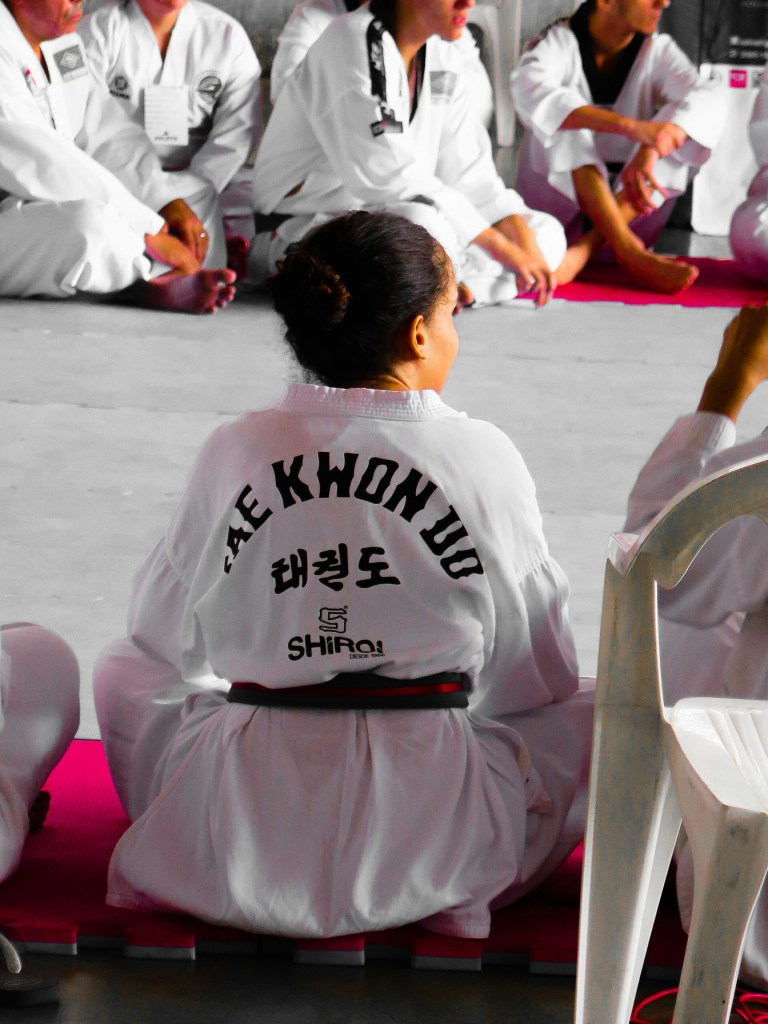
South Korea presents Taekwondo as a symbol of national pride and resilience. The Korea Foundation cites Taekwondo as a key element of cultural diplomacy (Korea Foundation, 2023). At the Kukkiwon World Taekwondo Headquarters in Seoul, structured demonstrations combine athleticism with traditional drum music, bowing rituals, and symbolic breaking techniques. These presentations engage cultural travelers who seek to understand the tenets of courtesy, integrity, perseverance, self-control, and indomitable spirit that define Korean society. The Taekwondowon theme park offers immersive experiences, while K-Tigers demonstration teams showcase Olympic-level performance. Modern facilities provide tourist programs through black belt courses, with official Dan certification available. Combined with Hapkido study options, Korea offers spring and fall programs ranging from $80-300 daily. Korea has successfully positioned Taekwondo as both Olympic sport and cultural heritage, creating multiple entry points for different traveler segments.
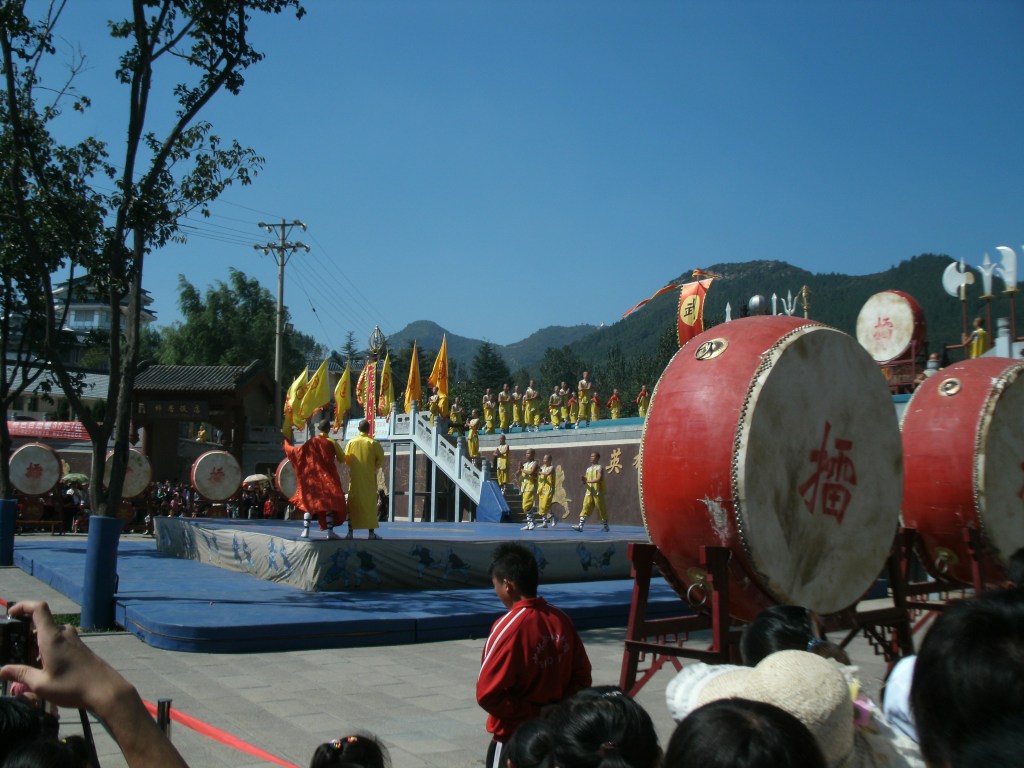
China offers multiple martial arts pilgrimages across its vast geography. The Shaolin Temple in Henan Province, which I’ve visited multiple times during my years working on China tourism development, represents a 1,500-year history of Chan Buddhism integration with warrior monk traditions. Morning training with monks, meditation, weapon forms, and temple ceremonies provide intensive cultural immersion, with programs ranging from one week to one year. Despite harsh winters requiring April-October visits, the modernized facilities welcome international students for $50-200 daily. Meanwhile, Chen Village (Chenjiagou) attracts Tai Chi practitioners to the birthplace of Chen-style Tai Chi, where family lineages preserve authentic teachings. Dawn practice, push hands, and weapon forms with direct descendants offer therapeutic applications in a rural setting, with week-long intensives to year-long immersions available for $30-100 daily. China’s challenge and opportunity lies in balancing preservation with accessibility, maintaining authenticity while developing tourist infrastructure.
Brazil showcases Afro-Brazilian innovation through Capoeira in Rio de Janeiro. Brazil’s Ministry of Culture recognizes Capoeira as an important cultural export (Ministério da Cultura, 2023). This martial art-dance-music fusion tells stories of slavery history and resistance. Beach rodas (circles), berimbau music, and connections to groups like Senzala and Abadá create immersive cultural experiences. From drop-in rodas to mestrado (master) programs, training includes instrument instruction and batizado (baptism) graduation ceremonies. Brazilian Jiu-Jitsu academies in Rio and São Paulo complement this, demonstrating how Brazil transformed Japanese martial arts into distinct national forms. Infrastructure ranges from informal to organized schools, with March-November seasons avoiding heavy rain, and costs from $50-200 daily. Brazil illustrates innovation as cultural value: taking external influences and creating something distinctly local.

Beyond these five giants, other legendary centers complete the top tier. India’s Mumbai and Kerala regions preserve Kalaripayattu, claimed as the world’s oldest martial art, integrating Ayurvedic medicine with weapon work and healing practices. Myanmar’s Yangon and Mandalay maintain Lethwei, the “Art of Nine Limbs” including headbutts, representing Southeast Asia’s most traditional bare-knuckle fighting. The Philippines’ Manila and Cebu regions teach Arnis/Escrima, the national weapon-based sport influenced by Spanish colonial history. Israel’s Tel Aviv and Jerusalem offer Krav Maga, the practical military self-defense system with high-stress scenario training led by former IDF special forces instructors. Each demonstrates how martial arts become vehicles for understanding national character, historical challenges, and cultural resilience.
Major Regional Traditions: Discovering Hidden Martial Arts Gems
Beyond the legendary centers, dozens of major martial arts destinations offer passionate travelers rich cultural experiences with developing but substantial infrastructure. These represent both historical traditions and modern innovations that define regional identities.
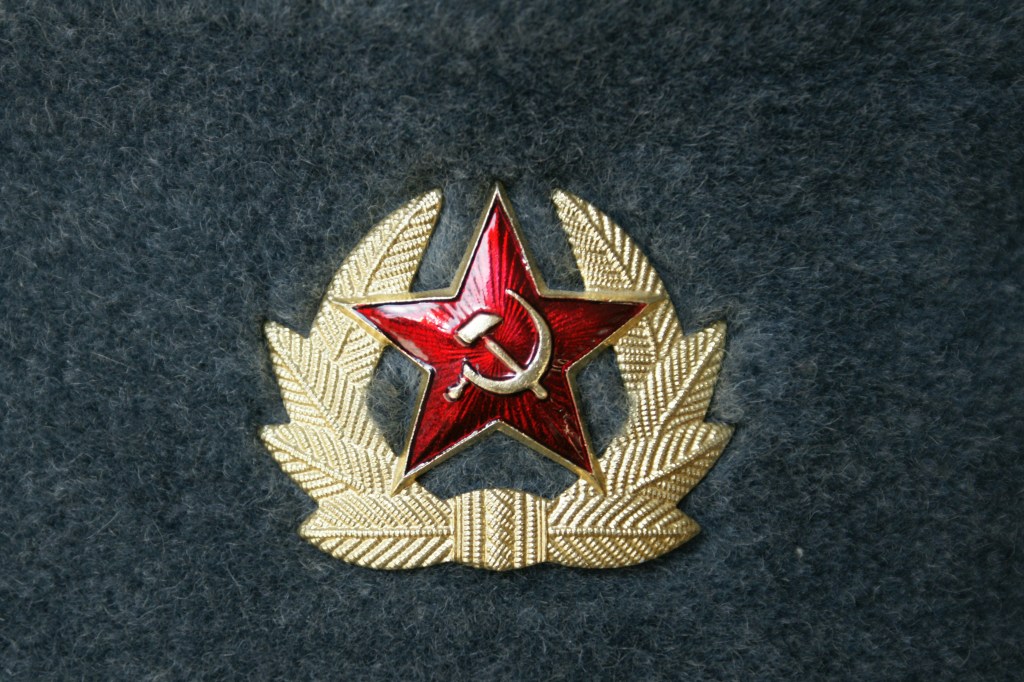
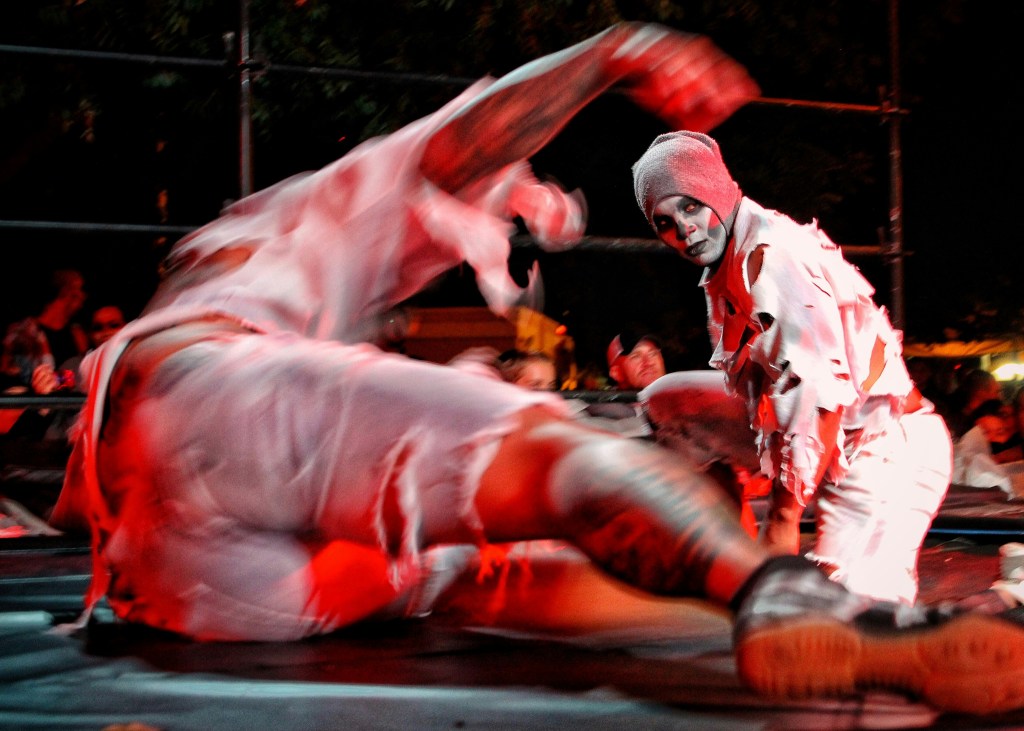
Russia’s Moscow and St. Petersburg preserve Soviet-developed Sambo and Systema combat systems, with military and civilian versions taught in facilities connected to Spetsnaz heritage. During visits to Central Asia, I’ve seen how these Russian systems influenced martial development across the former Soviet sphere. Indonesia’s Jakarta offers Pencak Silat with diverse regional styles and spiritual elements through the IPSI national governing body. Cuba’s Havana, despite basic facilities, maintains its Olympic powerhouse boxing tradition at the legendary Rafael Trejo gym. Mexico City celebrates Lucha Libre’s masked wrestling culture at Arena México, where Tuesday and Friday shows have achieved legendary status.

Greece revives ancient Pankration in Athens, offering historical recreation programs combined with archaeological site visits to ancient gymnasiums. Senegal’s Dakar preserves Laamb wrestling with strikes and mystical marabout blessings through beach training and village clubs. Iran’s Tehran maintains UNESCO-heritage Zurkhaneh (House of Strength) with ritual Pahlevani exercises accompanied by drumming and chanting. Mongolia’s Ulaanbaatar showcases wrestling at the Naadam festival with no weight classes and the distinctive Eagle Dance victory celebration.

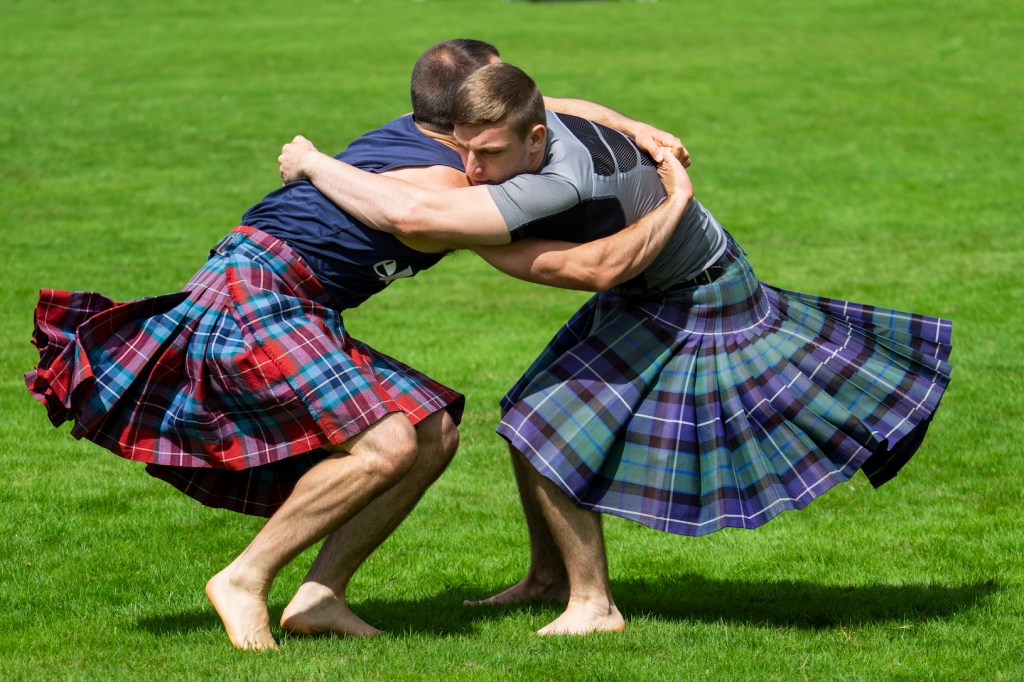
Peru’s Lima presents Rumi Maki, an indigenous-modern fusion martial art drawing on Inca heritage and pre-Columbian techniques. Scotland’s Glasgow maintains Highland Wrestling through the Highland Games circuit, preserving Celtic traditions in seasonal events. These major destinations typically offer infrastructure ratings of 5-7 out of 10, with daily costs ranging from $40-200 depending on the region and program intensity. What they lack in polish compared to legendary centers, they often compensate with authenticity and intimate access to practitioners.
Specialized and Emerging Martial Arts: A World of Diversity
For the truly passionate martial arts traveler, the journey extends far beyond famous names. Across every continent, specialized and emerging martial arts destinations offer authentic cultural experiences that reveal how fighting traditions reflect local history, philosophy, and identity.
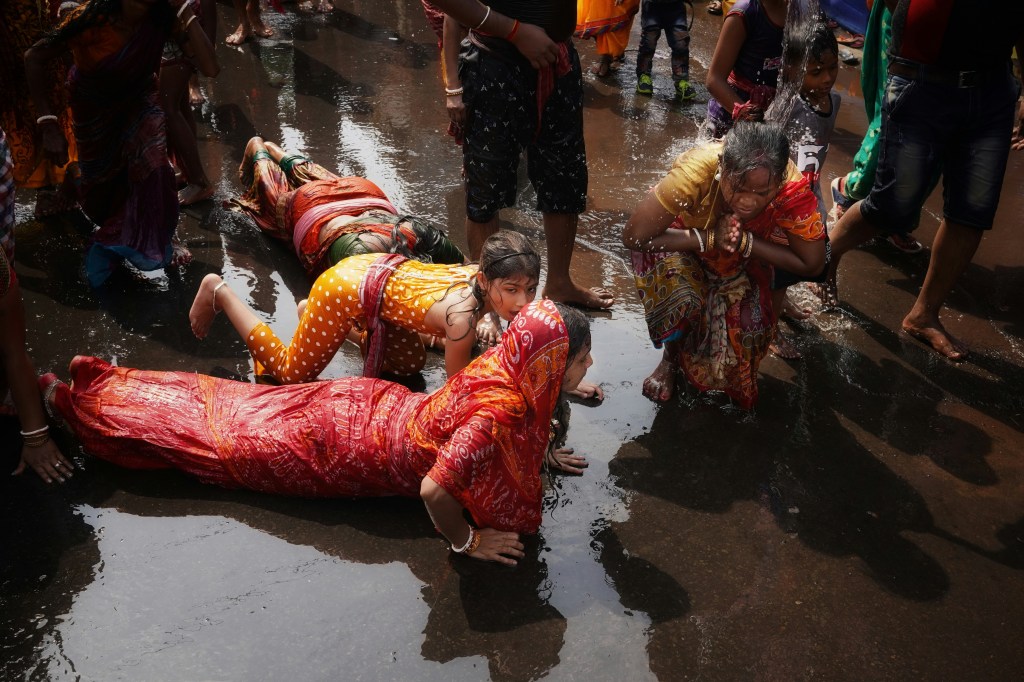
Asia presents remarkable diversity beyond the major centers. India’s Kolkata preserves Kushti mud wrestling in traditional akharas (training grounds). Vietnam’s Hanoi teaches Vovinam with its distinctive scissor kick specialty. Egypt’s Cairo revives ancient Tahtib stick fighting. Nepal’s Kathmandu offers Himalayan martial arts in Buddhist monastery settings. Algeria’s Algiers maintains Berber combat sports and North African wrestling traditions. These destinations typically operate with infrastructure ratings of 4-6 out of 10, offering daily costs from $30-150.
Europe showcases its martial heritage through Historical European Martial Arts (HEMA) in Budapest’s clubs, medieval combat reconstruction that attracts international enthusiasts. Portugal’s Lisbon preserves Jogo do Pau staff fighting. Georgia’s Tbilisi teaches traditional Chidaoba wrestling. Armenia’s Yerevan maintains Kokh, ancient Armenian grappling with deep historical roots. European martial arts often surprise travelers expecting only Asian traditions, revealing how warrior cultures developed across all civilizations.

Africa’s martial traditions remain vibrant yet underexplored. Jamaica’s Kingston teaches African-derived stick fighting. South Africa’s Johannesburg preserves Nguni stick fighting from Zulu martial traditions. These often operate with basic infrastructure but offer unparalleled cultural authenticity. As someone who has worked on destination development across multiple continents, I see enormous potential in African martial arts tourism, particularly as infrastructure develops and storytelling improves.
The Americas demonstrate both ancient and modern innovation. Beyond Brazil’s Capoeira, the United States offers multiple specialized experiences: Okinawan karate lineages preserved in Okinawa prefecture, cutting-edge MMA training at Los Angeles celebrity gyms and UFC camps, and Okichitaw Native American martial arts in San Antonio. New Zealand’s Wellington teaches Mau Rākau, authentic Māori warrior training connecting indigenous heritage with modern practice.

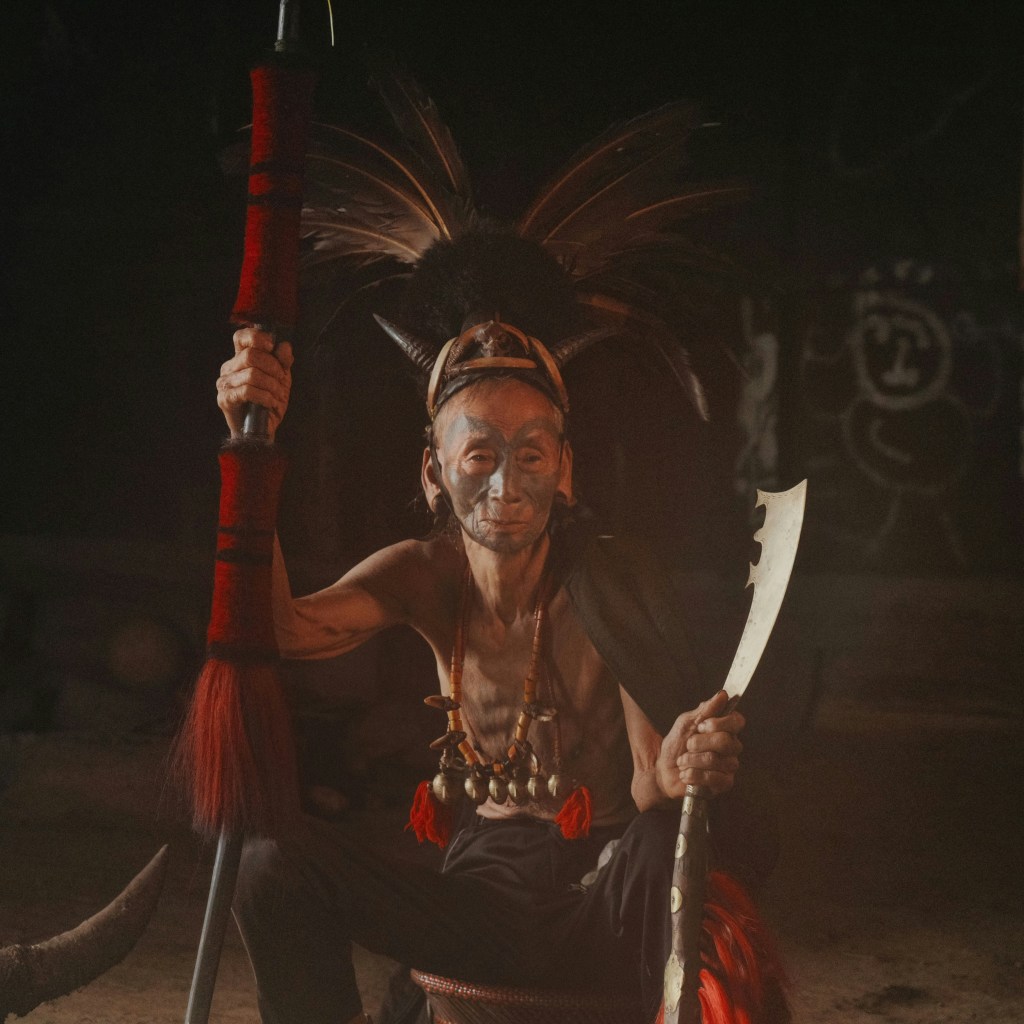
Even more emerging destinations reveal the global scope. Central Asia offers Kurash in Uzbekistan’s Tashkent and Kazakh Kures in Kazakhstan’s Almaty, Silk Road grappling arts gaining international recognition. South Asia presents Sri Lanka’s Angampora in Colombo, banned for 200 years and now reviving, and Bangladesh’s Lathi Khela bamboo stick fighting in Dhaka. Africa showcases Ethiopia’s Donga stick fighting in Addis Ababa, Nigeria’s Dambe boxing in Lagos, and Uganda’s Ekiggwado wrestling in Kampala. Latin America features Bolivia’s Tinku ritual combat festival in La Paz and Ecuador’s Inca warrior traditions revival in Quito.

These specialized and emerging destinations typically operate with infrastructure ratings of 2-5 out of 10, offering daily costs from $30-250 depending on location and program sophistication. What they may lack in polish, they often compensate with authenticity, direct lineage access, and intimate cultural immersion unavailable at more commercialized venues. For passionate travelers, authenticity matters more than amenities.
What This Diversity Means for High-Yield Tourism Development
This global landscape reveals several critical insights for destination managers and tourism businesses pursuing high-yield outcomes rather than volume metrics.
First, martial arts tourism isn’t monopolized by a few famous destinations. There are opportunities across every continent and at every infrastructure level. A destination doesn’t need perfect facilities to attract passionate travelers. It needs authentic traditions, credible practitioners, and compelling narratives. In my work with the Saudi Tourism Authority, we’ve applied this principle to cultural heritage programming: authenticity and storytelling create value, not necessarily five-star infrastructure.
Second, passionate martial arts travelers don’t just visit one destination. They build multi-year itineraries to experience different traditions, creating recurring international travel patterns. A practitioner might spend three weeks in Thailand learning Muay Thai, then travel to Japan for karate, Korea for Taekwondo, Brazil for Capoeira, and the Philippines for Arnis over several years. Each trip generates high per-capita spending: private instruction fees, cultural experiences, extended stays, premium accommodations, and related cultural consumption (museums, heritage sites, specialized dining). This is the essence of high-yield tourism.
Third, even lesser-known martial arts can attract dedicated practitioners if properly positioned and made accessible. The key differentiator isn’t always infrastructure sophistication. Travelers seek authenticity, lineage connections, and cultural depth. A basic training facility in Myanmar teaching traditional Lethwei can be more compelling than a luxurious gym teaching generic kickboxing. The narrative matters: the history, the rituals, the connection to national identity. This is where destinations often fail. They invest in facilities without investing in storytelling, cultural programming, and practitioner access.
Fourth, this creates an important strategic opportunity that challenges traditional competitive thinking. Destinations with martial arts traditions can partner across borders rather than compete. A Thai Muay Thai enthusiast might be directed to experience Japanese karate, Korean Taekwondo, Brazilian Capoeira, and Filipino Arnis as part of a broader martial arts journey. These cross-promotional networks amplify the entire micro-niche rather than cannibalizing individual markets. In my advisory work, I consistently advocate for collaborative rather than competitive approaches to niche tourism development. The passion tourism economy rewards cooperation.
Strategic Framework for High-Yield Martial Arts Tourism
Cultural Purpose vs. Sport and Fitness Purpose
It is essential to separate the “cultural purpose” traveler from the “fitness purpose” traveler. This distinction determines economic yield and programming strategy.
The cultural traveler attends a sumo tournament, visits a Muay Thai camp to watch a Wai Kru, or travels to Okinawa to meet karate masters. They pay for curated, story-driven, often one-time experiences. Average spending: $200-500 daily. Length of stay: 7-14 days. Ancillary spending: high (museums, cultural sites, premium dining, heritage accommodations, specialized retail). Return likelihood: high, but to different destinations within the micro-niche.
The fitness traveler attends a multi-week training camp, often on a budget, focusing on skill improvement rather than cultural immersion. Average spending: $50-150 daily. Length of stay: 14-90 days. Ancillary spending: low (groceries, basic meals, budget accommodations). Return likelihood: moderate, often to the same training facility.
While both contribute to tourism, the cultural traveler’s spending patterns, time allocation, and broader interest in related experiences create greater per-visitor yield. Hotels benefit more from cultural travelers who book premium rooms for shorter stays than fitness travelers who negotiate monthly rates for basic accommodations. Restaurants benefit more from cultural travelers seeking authentic dining experiences than fitness travelers eating fighter diets at camp canteens. Retail benefits more from cultural travelers purchasing premium cultural products than fitness travelers buying training gear.
Destinations pursuing high-yield outcomes should prioritize cultural programming over fitness infrastructure. This doesn’t mean ignoring fitness tourism, but rather ensuring cultural experiences are developed, packaged, and marketed as premium products. In Saudi Arabia, this distinction has been fundamental to our tourism development approach: targeting passionate cultural seekers rather than mass tourists or budget travelers.
Martial Arts as Soft Power: Beyond Tourism Revenue

Thailand’s strategic use of Muay Thai within their “5Fs” framework (Food, Film, Fashion, Festival, Fighting) demonstrates martial arts’ soft power potential (Nye, 2004). Thailand uses Muay Thai to attract tourists and to influence perceptions abroad, integrating it into tourism promotion, diaspora communities, and cultural diplomacy. According to published reports, Muay Thai-related tourism contributes significantly to sports tourism revenue, with international practitioners numbering in the millions globally. Thai cultural centers worldwide use Muay Thai as an engagement tool. The soft power impact, while difficult to quantify precisely, is acknowledged by government officials as exceeding traditional tourism marketing returns.

Similar patterns emerge globally. The Japan Foundation reports martial arts as a primary driver of Japanese language learning. The Korea Foundation cites Taekwondo as a key element of cultural diplomacy. Brazil’s Ministry of Culture recognizes Capoeira as an important cultural export. Cultural fighting forms are valuable tools of soft power, acting as living cultural exports that foster international recognition and emotional connection to nations (Nye, 2004).
This matters for tourism development because soft power creates sustained competitive advantage. A destination known for authentic cultural experiences attracts higher-yield travelers who become brand ambassadors. They don’t just visit once. They return, they recommend, they create content, they build community. This is particularly relevant for destinations like Saudi Arabia, where Vision 2030 emphasizes cultural diplomacy alongside tourism revenue. Martial arts and warrior heritage, when properly positioned, serve both objectives simultaneously.
Success Factors for Martial Arts Tourism Development
Through my work across Asia and the Middle East, I’ve identified several success factors that distinguish effective martial arts tourism programs from unsuccessful attempts:
Government recognition of martial arts as soft power and cultural diplomacy tool, not just tourism product. When martial arts receive ministerial-level attention and integration into national branding, programs succeed. When relegated to sports tourism or fitness categories, they underperform.
Preservation of authentic rituals while creating accessible cultural experiences. The challenge is making traditions available to outsiders without commodifying them. Success requires practitioner involvement in program design, respect for protocols, and tiered access that maintains sacred elements while sharing cultural elements.
Integration of martial arts with broader cultural offerings (temples, cuisine, festivals). Martial arts shouldn’t exist in isolation. The most successful programs connect martial practice to historical sites, traditional meals, ritual festivals, and cultural interpretation. This extends stays, increases spending, and deepens engagement.
Tiered experiences from spectator to practitioner to cultural immersion levels. Not every traveler wants the same depth. Some want to watch. Some want to try. Some want to train seriously. Successful programs offer multiple entry points at different price points, allowing travelers to self-select based on interest and budget.

Annual festivals like Wai Khru at Ayutthaya UNESCO site combining heritage and practice. Signature events create peaks in demand, generate media coverage, and provide reasons to return. They also demonstrate government support and cultural significance.
Premium pricing for exclusive master access maintaining scarcity value. High-yield tourism requires premium products. Private sessions with recognized masters, access to restricted training areas, participation in certification ceremonies, all command premium prices when properly packaged. Scarcity creates value. Unlimited access destroys it.
Strong narrative development around legendary figures and historical significance. Every martial art has heroes, founding myths, historical battles, and cultural symbols. These stories differentiate authentic cultural experiences from generic fitness classes. Thailand leverages Nai Khanom Tom, the legendary warrior who defeated ten Burmese fighters in 1774. Japan references centuries of samurai tradition. Korea connects Taekwondo to national resistance. Brazil tells stories of Capoeira’s role in resistance against slavery. Effective marketing requires effective storytelling.
Risk Factors and Mitigation Strategies
Three primary risks threaten martial arts tourism development:
Commodification. Converting cultural practice into tourist performance destroys authenticity and value. When martial arts become shows staged for tourists rather than living practices, passionate travelers recognize the difference immediately. Online reviews expose inauthentic experiences quickly. Mitigation requires maintaining practitioner-led programs focused on genuine skill transmission. Masters must lead, not performers. Training must include real technique, not simplified movements. Cultural context must be explained, not omitted for convenience. In my consulting work, I always recommend practitioner involvement in program design and quality control.
Over-commercialization. Rapid scaling dilutes quality and experience. When destinations see success, the temptation is to expand quickly: more gyms, more classes, more tourists. But martial arts tourism depends on intimate access, personal attention, and cultural depth. These don’t scale infinitely. Mitigation requires implementing capacity constraints that create scarcity value. Limit class sizes. Limit private sessions. Limit festival attendance. Higher prices with limited capacity generate more revenue than lower prices with unlimited capacity, while maintaining quality and authenticity.
Cultural appropriation concerns. Superficial engagement can offend practitioners and communities. When tourists treat sacred rituals as entertainment, wear traditional garments inappropriately, or disrespect protocols, backlash occurs. This damages both tourism and cultural preservation. Mitigation requires ensuring programs include deep cultural context and respect protocols. Pre-training orientation sessions explaining etiquette and significance. Practitioner oversight of tourist behavior. Clear guidelines on appropriate photography, dress, and participation. Consequences for violations.
These risks are manageable but require intentional design and consistent enforcement. Destinations that ignore them face eventual backlash from both practitioners and travelers.
Practical Opportunities for Destinations, Hotels, and Businesses
Cultural martial arts serve as a potent tool for soft power and high-yield tourism. A nation can project its values, history, and traditions through the discipline and artistry of its fighting forms. The high-yield traveler who engages with this micro-niche leaves not just with a souvenir but with a deeper understanding of the destination’s identity. This translates into sustained interest, repeat visits, and word-of-mouth recommendations to a similar, highly specific audience.
For destinations: Leverage legends. Thailand’s use of Muay Thai’s ancient Nai Khanom Tom myth fuels premium storytelling. Every martial art has founding stories. Mine them. Curate access. Like Japan’s sumo stables, limit participation to maintain allure. Exclusivity creates value. Bundle deeply. Pair training with complementary cultural experiences: tea ceremonies in Japan, temple stays in Korea, beach culture in Brazil. Create packages that extend stays and increase spending.
For hotels: Partner with authentic training facilities and masters rather than creating generic hotel gyms. Offer culturally themed accommodations that extend the martial arts narrative. Develop premium packages including private instruction, cultural meals, and heritage experiences. Train staff in martial arts history and etiquette to enhance guest experiences. Create specialized retail offerings of authentic equipment, traditional garments, and cultural products.
For travel and retail businesses: Develop specialized itineraries for martial arts enthusiasts traveling multiple destinations. Create “martial arts passport” programs encouraging multi-destination visits. Establish partnerships between complementary martial arts destinations. Develop premium product lines of authentic training equipment, traditional garments, and cultural artifacts. Create content platforms (blogs, videos, podcasts) that build community and drive bookings. Facilitate connections between travelers and masters for ongoing relationships beyond initial visits.
The key is understanding that passion tourism operates differently than mass tourism. You’re not selling destinations. You’re facilitating transformation. You’re not marketing activities. You’re providing access to cultural wisdom. You’re not targeting tourists. You’re serving passionate practitioners on journeys of understanding.
Lessons from Implementation: The Sumo Hall Model

What stood out in Osaka was the integrated approach at The Sumo Hall Hirakuza. They created controlled, high-quality experiences that generate yield without over-commercializing the tradition.

Storytelling explains history, etiquette, and significance. Before the matches, cultural context is provided. Why salt? Why rituals? What do movements mean? This transforms watching into understanding. Immersion through live matches, audience participation, and photo sessions creates memorable experiences beyond passive observation. Cultural pairing with bento meals tied to the event extends engagement and revenue. Accessibility staged in an urban, visitor-friendly location without losing authenticity makes the experience available to international travelers without requiring insider knowledge or connections.
This model can be adapted for other martial arts globally. Create controlled environments where cultural transmission happens in accessible formats. Maintain authenticity while removing barriers to participation. Charge premium prices reflecting value delivered. Limit capacity maintaining quality and scarcity. Train staff in cultural interpretation, not just logistics. Develop retail offerings extending the experience beyond the venue. Create documentation (photo packages, certificates, cultural materials) that travelers value as memories and proof of participation.
The Sumo Hall model proves that authentic cultural experiences can be systematized without being commodified. The key is practitioner involvement, cultural respect, quality control, and appropriate pricing.
Conclusion: The Untapped Potential of Martial Arts Passion Tourism
During a trip to Busan several years ago, my friend who leads the city’s convention bureau introduced me to a taekwondo master. He told me something I’ve never forgotten: “You don’t earn a black belt. You earn the right to understand it.” That’s the mindset of the high-yield martial arts traveler, and the untapped revenue for destinations smart enough to cater to it.
Destinations continuing to pursue mass market tourism while ignoring passionate micro-niches like martial arts tourism are leaving significant value uncaptured. In an environment where traveler preferences increasingly favor authentic cultural experiences over passive consumption, martial arts tourism offers exactly what high-yield visitors seek: transformation through cultural immersion.
Martial arts tourism transcends fitness or sport, attracting travelers who seek transformation through understanding warrior traditions, ancient philosophies, and ritual practices. These passionate enthusiasts invest significantly in authentic experiences, exclusive access to masters, and deep cultural immersion that reveals a nation’s character through its martial heritage.
Leveraging martial arts as a micro-niche leads to the recognition that passionate members of that tribe travel to different parts of the world, from Japan, Korea, China, and Thailand to Brazil, from Russia to Israel, from Peru to New Zealand, to explore the essence of martial arts. For these countries and destinations to partner with each other can amplify these opportunities, instead of just promoting their own martial arts forms in isolation. This is an important lesson for destinations looking to join what I call the Passion-Tourism Economy, and fully leverage these opportunities to drive high-yield tourism outcomes.
Cultural fighting or martial arts, when presented authentically, is a textbook example of passion tourism. The market is global, the yield is high, and the soft power benefits are significant. From the sumo rings of Osaka to the Muay Thai rings of Bangkok, from Shaolin temples to Rio beaches, from Seoul demonstration halls to Jerusalem training centers, from Riyadh’s emerging cultural programs to Wellington’s Māori warrior training, these traditions are more than sports. They are living cultural assets that, if managed thoughtfully, can deliver lasting value to destinations, communities, hotels, and businesses committed to quality over quantity, depth over breadth, and transformation over transaction.
Listen to our High-Yield Tourism Podcast on Cultural Fighting.

References
Japan Sumo Association. (2023). Sumo: History and cultural significance. Tokyo: JSA.
Korea Foundation. (2023). Taekwondo and cultural diplomacy. Seoul: Korea Foundation.
Ministério da Cultura. (2023). Capoeira as cultural heritage. Brasília: Government of Brazil.
Nye, J. S. (2004). Soft power: The means to success in world politics. PublicAffairs.
Tourism Authority of Thailand. (2024). Tourism positioning strategy: The 5Fs framework. Bangkok: MOTS.
Dr. Jens Thraenhart is CEO of Chameleon Strategies, a UN Tourism Affiliate Member organization, and Co-Founder of High Yield Tourism. He serves as 2nd Vice Chair of the UN Tourism Affiliate Members Board and has advised the Saudi Tourism Authority on destination management and Vision 2030 initiatives. His career spans leadership roles across 25+ countries in Asia, the Caribbean, Europe, and the Middle East, including CEO of Barbados Tourism Marketing Inc. and Executive Director of the Mekong Tourism Coordinating Office.
Key illustrations were developed using materials from Sumo Hall Hirakuza Osaka and global field research in Japan, Thailand, South Korea, China, and Brazil by Dr. Jens Thraenhart.
 BALANCED TOURISM
Leave a comment