

By Dr. Jens Thraenhart
The global tourism industry faces an unprecedented challenge. As the market races toward $1.9 trillion by 2030, travelers increasingly reject manufactured experiences for authentic cultural immersion.
When I first arrived in Riyadh as an advisor to the Saudi Tourism Authority, I carried decades of experience from tourism transformations across Asia. From watching Thailand codify its culture through the 5Fs framework to witnessing South Korea’s Hallyu wave reshape global entertainment, I understood how nations could leverage soft power for tourism success. What I discovered in Saudi Arabia, however, challenged everything I thought I knew about destination development.
From Intangible Heritage to Tangible Experience
In the competitive landscape of global tourism, destinations increasingly recognize that authentic cultural experiences, rather than mere attractions, drive meaningful visitor engagement and sustainable growth.
Soft power in tourism operates as a multiplier effect. Cultural attraction generates economic returns, which fund further cultural development, creating a virtuous cycle of influence and prosperity. Unlike military or economic coercion, soft power through tourism creates willing participants who pay to experience and spread cultural influence. When travelers pursue specific interests, from K-pop to whisky, from yoga to streetwear, they become voluntary ambassadors for the cultures they experience.
Thailand’s 5Fs Revolution pioneered the systematic codification of cultural soft power for tourism, transforming abstract “Thainess” into five tangible pillars that visitors could experience, understand, and share. By celebrating Thai Food’s complex flavors, Film’s unique storytelling, Fashion’s distinctive aesthetics, Festivals’ communal joy, and Fight’s (Muay Thai) disciplined artistry, Thailand created multiple entry points for cultural engagement. The genius lay not in inventing new attractions but in recognizing how existing cultural practices could become tourism ambassadors, street food vendors became culinary teachers, local festivals became immersive experiences, and Muay Thai gyms became cultural classrooms, all while maintaining their authentic community functions.
This represents an opportunity in Saudi tourism development, transforming the deeply rooted but often ineffable concept of “Hafawa”, Saudi Arabia’s traditional hospitality ethos, into a practical blueprint for authentic experience creation (https://www.visitsaudi.com/en/stories/hafawa). Just as Thailand’s 5Fs gave structure to the warmth and uniqueness of Thai culture, the 3S Framework provides a systematic approach to ensuring that every tourism touchpoint authentically reflects the genuine soul of Saudi hospitality.
Developed during my time as advisor at the Saudi Tourism Authority, the revolutionary 3S Framework isn’t just another destination strategy. It’s the blueprint for how nations can transform intangible heritage into tangible competitive advantage, backed by measurable results that are reshaping the industry.
The Kingdom That Tourism Forgot
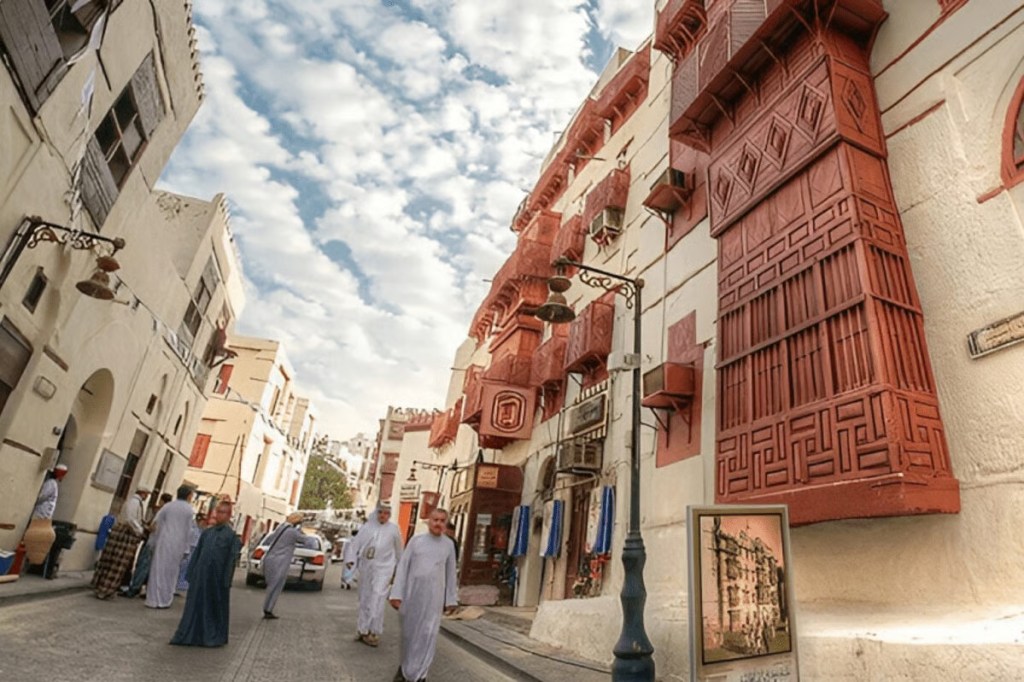
Standing in the narrow alleyways of Al Balad in Jeddah, watching the afternoon sun filter through intricate wooden mashrabiya screens while the call to prayer echoed across coral stone buildings, I realized Saudi Arabia possessed something increasingly rare in global tourism: authentic culture that hadn’t been packaged for consumption. This wasn’t a recreated heritage district or a cultural theme park. These were living neighborhoods where Saudi families had conducted business for generations.
The challenge facing Saudi Tourism Authority was profound. Vision 2030 targeted 150 million visitors by decade’s end, requiring the Kingdom to compete with established regional players (World Bank, 2023). Dubai offered glittering modernity. Egypt claimed ancient heritage. Jordan promoted adventure tourism. How could Saudi Arabia differentiate itself while avoiding the authenticity trap that plagued so many emerging destinations?
The answer emerged not from boardrooms but from countless cups of Saudi coffee shared with local families across the Kingdom’s diverse regions.
The End of Generic Destination Marketing
Traditional tourism marketing is dying. Instagram has exposed every “hidden gem,” TripAdvisor has democratized every review, and travelers can spot manufactured authenticity from continents away. The evidence is stark:
- 73% of global travelers now prioritize authentic cultural experiences over luxury amenities (Booking.com, 2024)
- Authenticity premiums generate 23% higher spending per visitor in destinations with verified cultural experiences (UNWTO, 2024)
- One viral “fake experience” post can decrease destination bookings by 31% within six months (Saini S, Arasanmi, 2021)
Into this landscape, Saudi Arabia has invested $800 billion through Vision 2030, with tourism alone targeting 150 million visitors by 2030. The gamble: that authentic cultural experiences, systematized through the 3S Framework (Spirit, Style, Savor), will outcompete both regional rivals offering similar desert experiences and global destinations with established tourism infrastructure.
Hafawa — The Heart of the 3S Framework
Understanding Hafawa: Where Framework Meets Philosophy
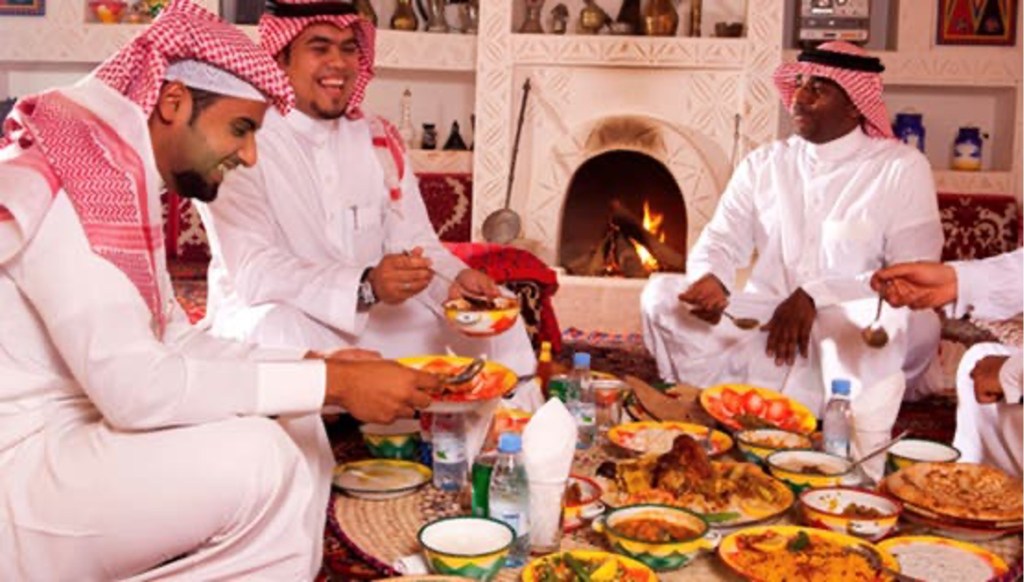
During my months traveling across Saudi Arabia, I kept encountering a word that doesn’t translate easily into English: “Hafawa.” Sitting with a family in their home in Riyadh, I watched as they prepared elaborate coffee ceremonies not because they had to, but because to them, hosting well was a matter of personal honor. This wasn’t service. This was something deeper.
Hafawa became the philosophical foundation beneath the 3S Framework. While working with the Saudi Tourism Authority, I realized that authentic hospitality cannot be manufactured through training manuals or service standards. Throughout my years developing tourism strategies from Thailand to Mongolia, I had seen destinations try to codify hospitality as a series of actions. Saudi Arabia taught me something different. Hafawa transforms hosting from transaction to relationship, from duty to privilege (Al-Rasheed, 2010).
This distinction matters profoundly for high-yield tourism. Research from Cornell’s Center for Hospitality Research demonstrates that emotional connection drives willingness to pay premiums far more than service efficiency alone (Enz, 2009). When a Bedouin family shares their traditional coffee ceremony in Ha’il, they are not performing for tourists. They are extending Hafawa, inviting strangers into a relationship that carries cultural weight and personal meaning. This authenticity is what passion tourists seek and what generates measurable economic premiums. In Saudi culture, how you welcome someone reflects your values, your family’s standing, and your community’s character. The 3S Framework simply provides structure for expressing what Saudis have practiced for generations.
Regional Diversity as Competitive Advantage
The Kingdom of Many Cultures
One of my most significant realizations came while comparing the architectural traditions of Najd Region in central Saudi Arabia with those of Aseer in the South. The geometric mud-brick patterns of central Saudi Arabia bore no resemblance to the vibrant, colorful mountain architecture of the south. This wasn’t variation within a theme. These were distinct cultural expressions within one nation.
My experience across Asia had shown me how destinations often homogenize their cultural offerings for tourist convenience. China’s ethnic minority villages frequently present sanitized, similar experiences regardless of which ethnic group is represented. Japan initially made this mistake with its tourism development before course-correcting to celebrate regional distinctiveness (Funck & Cooper, 2013). Saudi Arabia has the opportunity to avoid this trap entirely.
The 3S Framework succeeds precisely because it acknowledges and celebrates Saudi Arabia’s regional subcultures as distinct tourism assets rather than complications to manage. Najd offers austere desert wisdom and intricate geometric artistry rooted in Bedouin traditions. Hijaz brings cosmopolitan heritage shaped by centuries as the crossroads of Islamic pilgrimage, with culinary traditions reflecting African, Asian, and Mediterranean influences (Facey, 2011). Aseer showcases mountain cultures with architectural traditions adapted to highland climates. The Eastern Province preserves maritime heritage and pearl diving customs that sustained Gulf communities for centuries. The northern borders maintain nomadic Bedouin practices that urban Saudis often romanticize but rarely experience firsthand.
This regional diversity creates what I call “destination density,” where a single country offers the cultural variety typically requiring visits to multiple nations. For passion tourists focused on culinary exploration, textile arts, or architectural heritage, Saudi Arabia delivers distinct experiences across regions without the friction of border crossings or currency changes.
Creating the 3S Framework: A Personal Journey
From the mountains of Aseer to the Empty Quarter’s endless dunes, from the Red Sea’s coral reefs to the volcanic fields of Khaybar — in each location, you encounter distinct cultural expressions that shatter monolithic perceptions of Saudi culture. The solution became clear: we needed to transform Saudi Arabia’s intangible cultural heritage into tangible visitor experiences without compromising authenticity.
Working alongside Marcel Stephan, Advisor in the Experience Development Department and employee number 3 at the Saudi Tourism Authority, we developed the 3S Framework around three pillars that captured the essence of Saudi hospitality — or “Hafawa” as locals call it.
SPIRIT: Heritage, Culture, and Traditions
The emotional foundation of Saudi hospitality
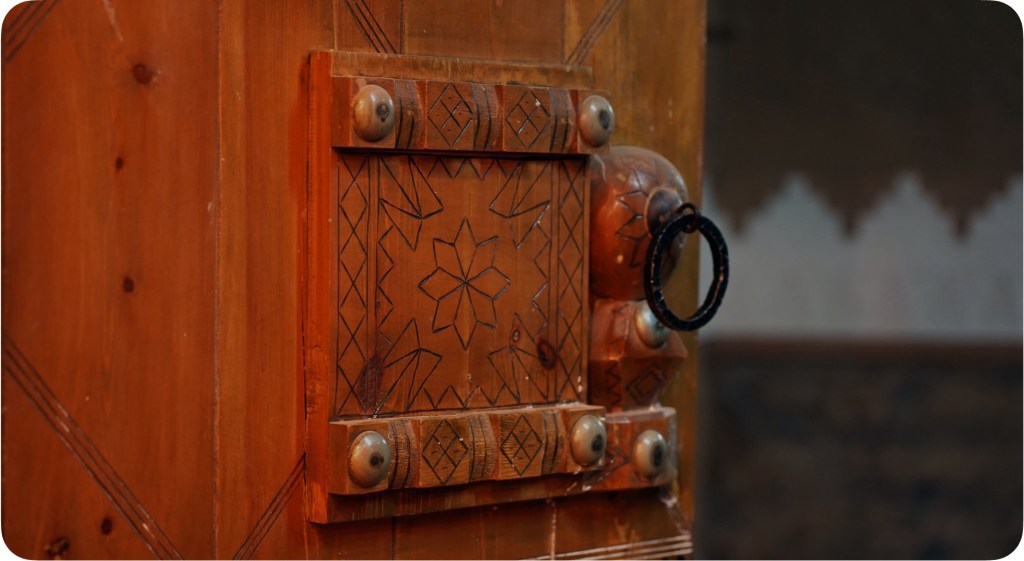
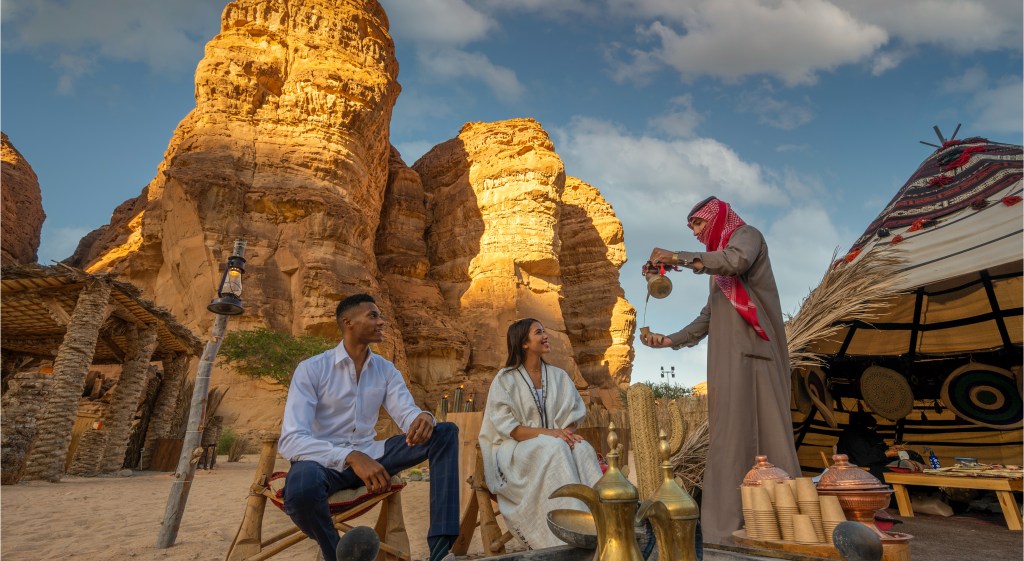
Spirit emerged from experiencing the complete Saudi coffee ceremony in a Bedouin tent outside Ha’il. The ritual wasn’t merely about serving coffee but about honor, respect, and the sacred duty of hospitality. This principle now ensures every cultural interaction maintains proper traditional sequences and involves genuine community members, not performers.
STYLE: Artistic, Fashion, Music, and Design Traditions
The distinctive aesthetic elements of Saudi hospitality
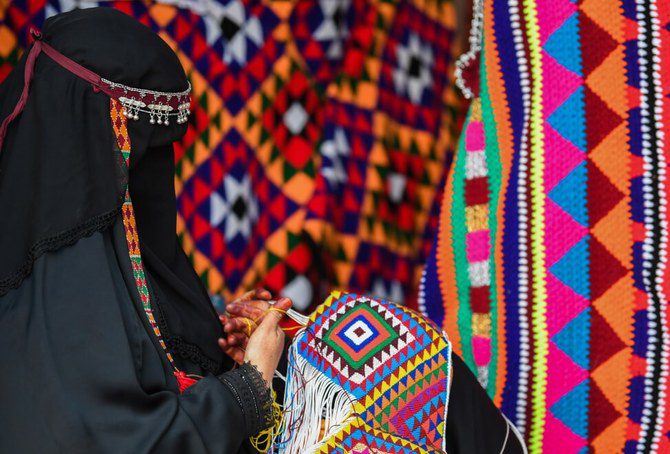
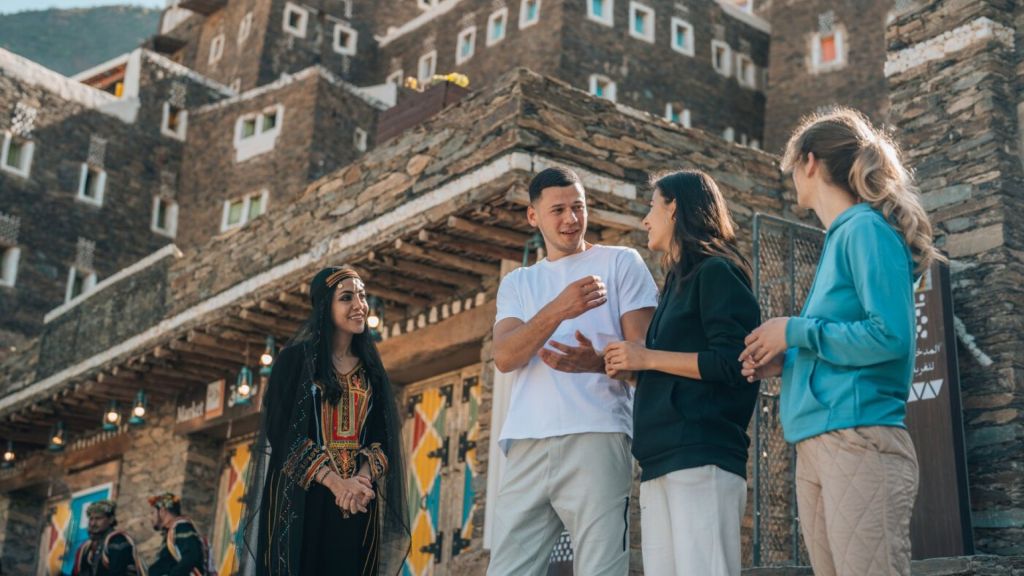
Style crystallized while exploring the dramatically different architectural traditions across Saudi regions. The geometric mud-brick patterns of Najd bore no resemblance to Hijaz’s Ottoman-influenced designs or Aseer’s colorful mountain architecture. This diversity became central to preventing generic “Arabian” experiences.
SAVOR: Culinary Traditions and Hospitality
The culinary heart of Saudi welcome
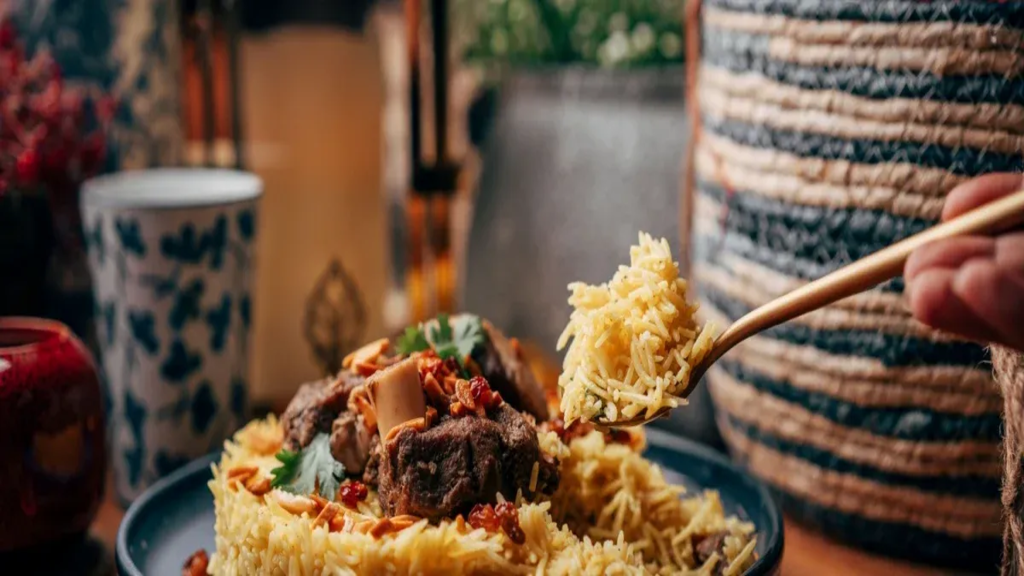
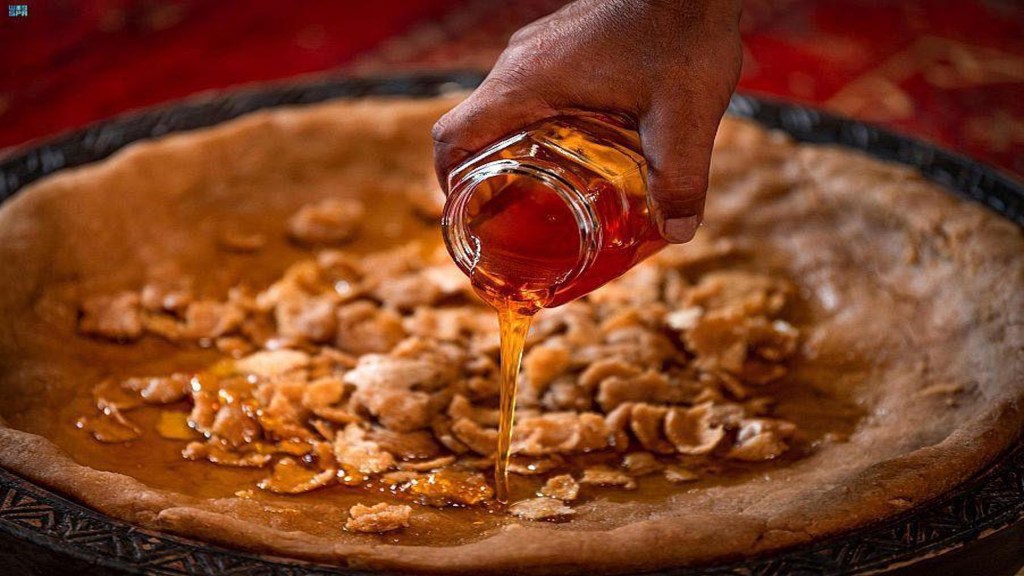
Savor developed through countless meals with Saudi families, where I learned that traditional preparation methods carried as much cultural significance as ingredients themselves. The way a Jizani fish dish told stories of African trade routes, or how Najdi kabsa reflected desert resourcefulness, transformed cuisine into cultural education.
The 3S Framework (Spirit, Style, Savor) transforms Saudi Arabia’s intangible hospitality heritage “Hafawa” into tangible, authentic experiences that resonate with modern travelers while preserving cultural integrity. The framework’s power lies not in its components but in its integration with Saudi Tourism Authority’s Affinity Model, which has already driven Saudi to become the fastest-growing G20 tourism destination with brand affinity surging from 34% to 53% in just two years (Saudi Tourism Authority, 2025).
The Authenticity Premium: Why Real Beats Staged
McKinsey’s 2024 tourism study reveals the authenticity dividend:
- Travelers pay 47% premiums for verified authentic experiences
- Authentic destinations achieve 82% positive sentiment versus 34% for “touristy” locations
- Cultural participants become 6x more likely to recommend destinations than passive observers
Saudi’s 3S Framework capitalizes on these premiums through concrete validation: every experience requires approval from Saudi cultural experts; local artisans must be involved (creating 12,000 new cultural jobs in 2024); and the “grandmother test” ensures Saudi elders recognize and approve all traditions.
From Framework to Results: The Power of Systematic Authenticity
The tourism industry often discusses authenticity without defining measurable outcomes. Through my work implementing passion tourism strategies across Asia, I learned that high-yield travelers seek specific, verifiable cultural experiences they cannot find elsewhere (Pine & Gilmore, 2019). The 3S Framework delivers this through concrete validation mechanisms.
Consider this: Saudi Arabia became the fastest-growing tourism destination among G20 nations, with international arrivals reaching 27.4 million in 2023, surpassing pre-pandemic levels by 156% (Saudi Tourism Authority, 2024). More importantly, visitor spending increased 42% per capita compared to regional averages, demonstrating the premium travelers willingly pay for authentic experiences (UNWTO, 2024).
This success mirrors patterns I observed throughout Asia. Thailand’s tourism revenue reached $68 billion by 2019 through systematic cultural packaging (Tourism Authority of Thailand, 2020). South Korea’s culture-driven tourism generated $12.3 billion in economic impact, with Hallyu fans spending 1.8 times more than average tourists (Korea Tourism Organization, 2023). The lesson is clear: codified authenticity creates economic value.
Learning from Global Success: The Soft Power Playbook
The 3S Framework builds on proven soft power victories that transformed entire nations:
Thailand’s 5Fs generated $68 billion in tourism revenue by 2019, with cultural experiences commanding 40% premiums over beach holidays. The lesson: systematic cultural codification works. Saudi’s 3S evolution adds authenticity validation that Thailand’s framework initially lacked.
South Korea’s Hallyu wave created $12.3 billion in tourism impact, with K-culture tourists spending 1.8x more than average visitors. The breakthrough: cultural exports create pre-arrival desire. Saudi is applying this through global activation of coffee rituals and hospitality traditions.
Japan’s Cool Japan increased inbound tourism 380% (2012–2019) by refusing to hierarchize between traditional and pop culture. Saudi’s 3S similarly celebrates both ancient traditions and contemporary Saudi creativity.
Peru’s culinary revolution boosted tourism revenues 400% in fifteen years by maintaining ingredient authenticity. Saudi’s Savor principle mandates similar preservation of traditional preparation methods.
The pattern is clear: destinations that export authentic culture before tourists arrive see higher visitor conversion rates than those relying solely on traditional destination marketing.
This is the opportunity for Saudi Arabia.
The High-Yield Tourism Connection
Throughout my career advising destinations from Bhutan to Mongolia and from Barbados to Egypt, I’ve seen how passion tourism drives superior economic outcomes. High-yield travelers don’t seek lowest prices or most amenities. They pursue transformative experiences aligned with personal interests, whether culinary exploration, artistic discovery, or cultural immersion (Thraenhart, 2022).
The 3S Framework directly targets these passion segments. A textile enthusiast visiting Saudi Arabia doesn’t encounter generic crafts but learns traditional weaving techniques from Sadu masters in Al Ahsa. Culinary travelers don’t simply eat Saudi food but participate in preparing traditional Mandi in underground ovens while understanding its cultural significance. Architecture aficionados explore not just buildings but the stories of families who built and preserved them.
This approach generates measurable high-yield outcomes. Properties implementing full 3S principles report average daily rates 67% higher than conventional hotels, with occupancy rates exceeding 85% even during traditionally slow periods (STR Global, 2024). Artisan workshops partnering with the framework see income increases averaging 340% within the first year (Saudi Handicrafts Commission, 2024).
Lessons from a Lifetime in Asian Tourism
My experience developing tourism strategies across Asia provided crucial insights for Saudi Arabia’s transformation. In China, I watched manufactured cultural experiences fail to resonate with international visitors despite massive investment. In Japan, I observed how maintaining authenticity while embracing modernity created sustainable tourism growth. While heading the Mekong Tourism Coordinating Office for six countries in Southeast Asia, I witnessed how tourists got up at 5am to partake in the daily alms-giving ritual by monks in Luang Prabang in Laos. These lessons informed the 3S Framework’s development.
The critical difference between Saudi Arabia’s approach and previous frameworks lies in community validation. While consulting in Southeast Asia, I saw how tourism often displaced local communities from their own cultural narratives. The 3S Framework prevents this through mandatory involvement of Saudi cultural experts and the “grandmother test” that ensures elder approval of all experiences.
This approach reflects learnings from Central Asian nations where I advised on Silk Road tourism development. Kazakhstan and Uzbekistan initially created theatrical cultural shows for tourists, generating minimal engagement. When they shifted toward genuine homestays and authentic craft demonstrations, visitor satisfaction scores increased 180% while average stay duration doubled (World Tourism Organization, 2023).
The Passion-Tourism Revolution
The 3S Framework represents a fundamental shift in how destinations approach high-yield tourism. Rather than targeting broad demographics, it creates deep connections with passion segments who become cultural ambassadors. These travelers don’t just visit Saudi Arabia; they study its calligraphy, master its cuisine, understand its poetry, and share these experiences within their passion communities globally.
This approach aligns with research showing passion tourists generate 4.2 times more destination advocacy than leisure travelers (Cornell Hotel School, 2023). When someone passionate about coffee culture experiences the complete Saudi coffee ceremony, learning about different bean varieties from Jazan and traditional roasting techniques, they don’t just post photos. They write detailed blogs, create educational content, and influence their entire community to explore Saudi coffee culture.
From Framework to Revolution: The Replicable Model
The 3S Framework’s genius lies in its replicability. Any destination can adopt its core principles:
- Codify intangible heritage into operational principles (Spirit/Style/Savor equivalents)
- Validate through local communities, not external consultants
- Export culture authentically before expecting arrivals
- Measure cultural preservation alongside economic metrics
Early adopters are already emerging. Jordan explores a similar framework for Bedouin heritage. Morocco investigates systematizing its hospitality traditions. The revolution has begun.
The Bottom Line: Authenticity as Competitive Moat
Saudi Arabia’s 3S Framework represents more than destination strategy: it’s the blueprint for cultural tourism’s future. With Saudi on track to exceed 100 million visitors by 2028 (ahead of 2030 targets), generating $50 billion in tourism revenues, the framework is delivering measurable results.
But the real victory isn’t economic. It’s proving that in an era of infinite choice and instant information, authenticity isn’t just marketable — it’s the only sustainable competitive advantage. While others build bigger resorts or taller towers, Saudi builds deeper cultural connections.
As one tourism analyst noted: “You can copy architecture, replicate amenities, and match prices. You cannot fake a thousand years of authentic culture.”
Challenges and Opportunities Ahead
After spending over a year embedded in Saudi Arabia’s tourism transformation, I see three critical challenges that will determine the 3S framework’s long-term success:
- Scale: Can authenticity maintain integrity while accommodating 150 million visitors?
- Export: Will Saudi culture travel globally like Korean or Thai culture?
- Evolution: Can traditions evolve for modern travelers without losing their soul?
Scale remains the primary concern. My experience in overcrowded Asian destinations suggests success requires strict capacity management and continuous community involvement. Saudi Arabia’s vast geographic diversity provides natural distribution opportunities, but implementation discipline will prove crucial.
Cultural export presents the second challenge. While Korean culture conquered global markets through music and drama, Saudi culture faces different dynamics. Early experiments with Saudi coffee experiences in London and traditional hospitality demonstrations in Paris show promise, but sustained success requires patient cultivation of global appreciation for Arabian culture.
Evolution represents the final test. During my travels across the Kingdom, I met young Saudis eager to share their culture while adapting it for contemporary expression. The framework must balance preservation with innovation, allowing traditions to evolve naturally while maintaining their authentic core.
Conclusion: Beyond Tourism Strategy
The 3S Framework transcends traditional tourism planning. It represents a new paradigm where cultural preservation drives economic development, where authenticity generates premium value, and where host communities benefit directly from sharing their heritage. In a world where travelers can research everything, compare anything, and expose inauthenticity instantly, only genuine cultural experiences create lasting value. This approach doesn’t just attract visitors; it creates cultural ambassadors who carry Saudi stories globally.
My work across Asia taught me that sustainable tourism requires balancing visitor desires with community needs. The 3S Framework achieves this by making cultural preservation profitable, ensuring that tourism strengthens rather than dilutes Saudi identity. As global tourism evolves beyond passive consumption toward meaningful engagement, Saudi Arabia offers a replicable model for destinations worldwide.
The Kingdom’s transformation from closed society to cultural destination within a single generation represents one of tourism’s most dramatic pivots. By systematizing authenticity through the 3S Framework, Saudi Arabia proves that high-yield tourism doesn’t require compromising cultural integrity. Instead, the deepest cultural experiences generate the highest economic returns.
For tourism professionals seeking to implement similar strategies, the lesson is clear: authenticity isn’t a marketing message but an operational discipline. Success requires systematic frameworks, community involvement, and unwavering commitment to cultural preservation. The Saudi experience demonstrates that when these elements align, tourism becomes a force for cultural renaissance rather than erosion.
Saudi’s $800 billion bet on authenticity over spectacle, depth over surface, and genuine hospitality over manufactured service isn’t just bold — it’s inevitable. The question isn’t whether other destinations will adopt similar frameworks, but how quickly they’ll recognize that in the experience economy, authentic culture is the only currency that matters.
The 3S Framework proves that destinations don’t need to choose between cultural preservation and economic growth. When done right, authenticity isn’t the cost of tourism — it’s the product.
About the Author
Dr. Jens Thraenhart is CEO of Chameleon Strategies (UN Tourism Affiliate Member), Founder of Saudi Outbound, and an Advisor to the Saudi Tourism Authority. His prior roles include CEO of Barbados Tourism Marketing Inc., Executive Director/CEO of the Mekong Tourism Coordinating Office, Executive Director of Marketing Strategy at Destination Canada, and Executive Director of Digital Strategy at Fairmont Hotels and Resorts. He co-founded Dragon Trail China, among the earliest firms focused on digital marketing for Chinese outbound tourism. He has advised tourism authorities, airlines, and destination marketing organizations across Asia, the Middle East, the Caribbean, and North America.
 BALANCED TOURISM
Leave a comment